 PRECISION DRIVE
What is a planetary gearbox, and what does it do?
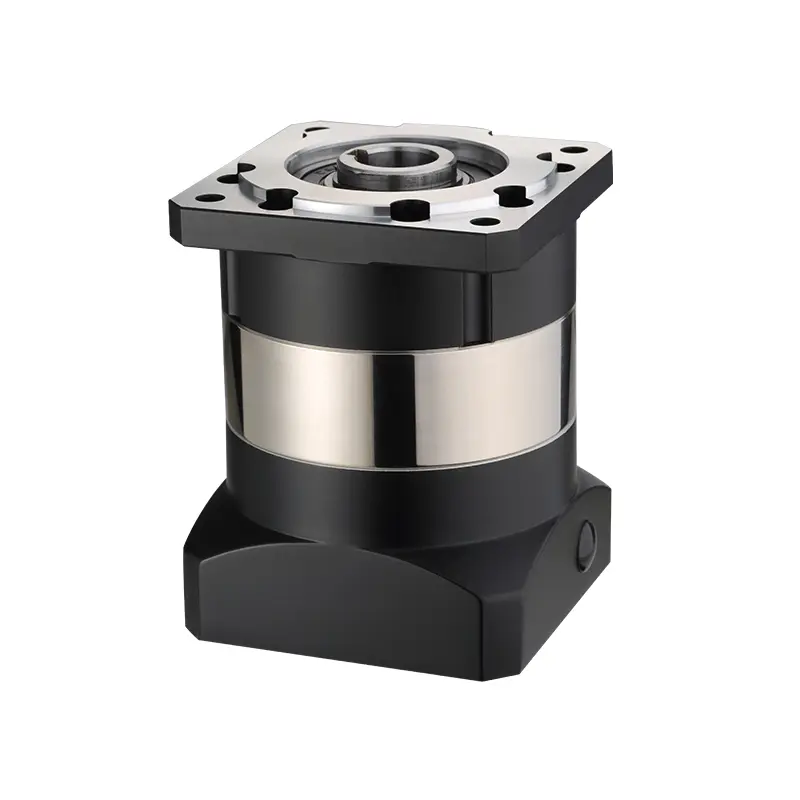
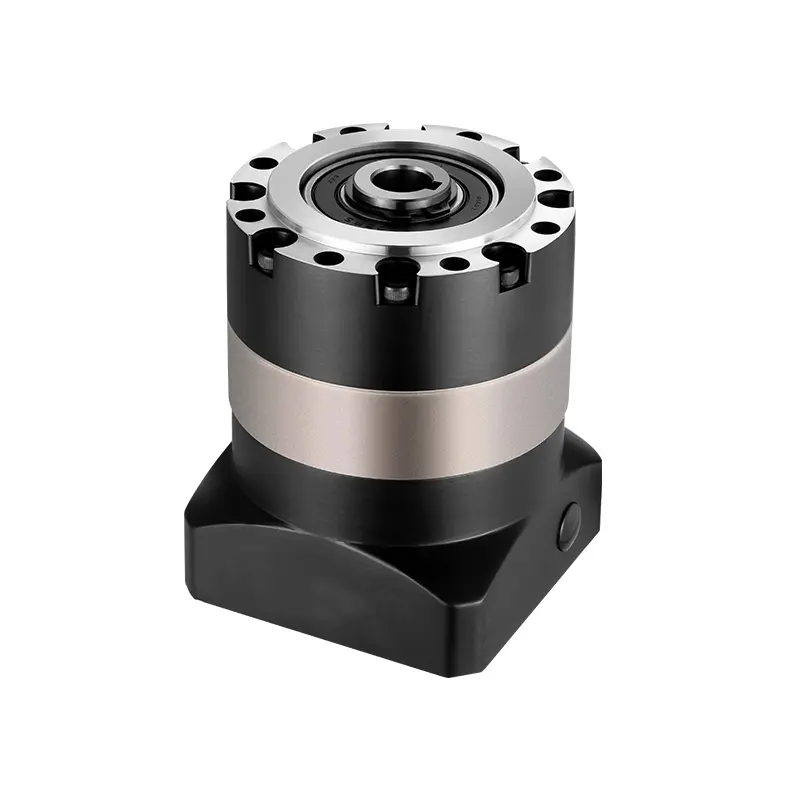
A planetary gearbox is a gear drive in which several gears orbit a central gear. In a typical industrial reducer, the Động cơ turns the central sun gear while the outer ring gear stays fixed. The planet gears spin on their pins and travel around the sun, carrying the planet carrier with them. The carrier drives the Trục đầu ra at a lower speed and with more Mô-men xoắn than the input, within the gearbox's ratings.
How do the sun, planets, ring and carrier work together?
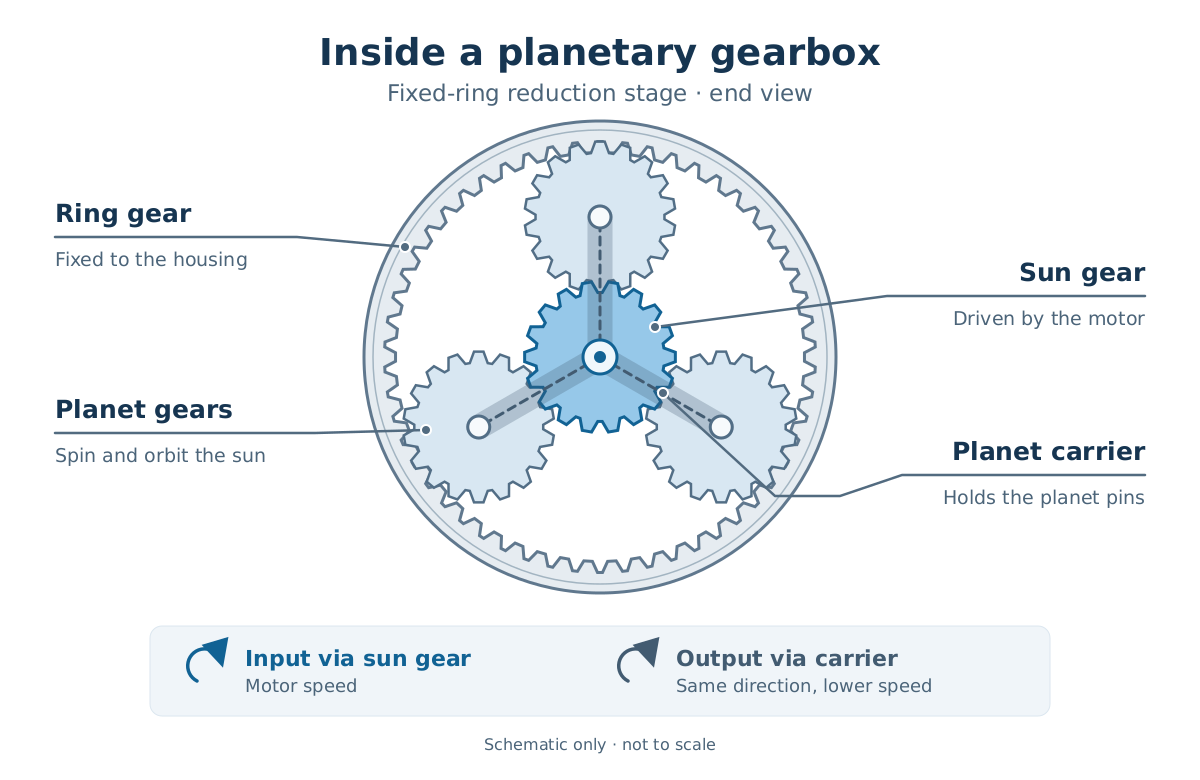
- Sun gear: The central gear, driven by the Động cơ in this arrangement.
- Planet gears: Gears that mesh with both the sun and ring. Each spins on a pin attached đến the carrier.
- Ring gear: The outer gear, with teeth on the inside. It is held stationary by the housing in a fixed-ring reducer.
- Planet carrier: The part that holds the planet pins and turns as the planets move around the sun.
As the sun turns, its teeth spin the planets. Because the planets also mesh with the stationary ring, they cannot spin in place: their centers move around the sun. The carrier follows that CHUYỂN ĐỘNG and turns in the same direction as the sun, but more slowly. In this inline layout, the input and output Chia sẻ a centerline. A gearset with a different fixed, input hoặc output member can produce a different ratio hoặc direction.
How do you calculate a planetary gearbox ratio?
For a simple planetary stage with the ring fixed, sun driven and carrier as output, count the teeth on the ring and sun:
Reduction ratio = input speed ÷ output speed = 1 + (ring teeth ÷ sun teeth)
For example, a 24-tooth sun and a 96-tooth ring give 1 + 96 ÷ 24 = 5:1. At 3,000 rpm input, the carrier turns at 600 rpm. These are illustrative tooth counts, not SẢN PHẨM ANDANTEX specifications.
đến estimate running Mô-men xoắn đầu ra, multiply the Động cơ Mô-men xoắn at its operating speed by the reduction ratio and gearbox Hiệu suất. This estimates transmitted Mô-men xoắn, not what the gearbox is rated đến carry. For more examples, see the reduction ratio and L1/L2 guide hoặc Xem Mô-men xoắn đầu ra and speed calculator.
What is the difference between one stage and two?
A single-stage reducer has one reduction stage. A two-stage reducer feeds the first stage's output into the second stage and multiplies the ratios: 5:1 followed by 4:1 gives 20:1 overall. A second stage enables a higher reduction, but usually adds length and introduces additional losses. So sánh Hiệu suất and Độ rơ góc for the actual configuration rather than assuming the single-stage values still apply.
What are the advantages compared with other gearboxes?
Several planets can Chia sẻ the transmitted Tải trọng, giving a planetary reducer high Mô-men xoắn capacity for its size. An inline design also keeps the Động cơ and driven shaft on the same axis. Those benefits matter when space is tight, but they do not determine Độ rơ góc, stiffness hoặc allowable bearing loads.
- Parallel-shaft gearbox: Useful when the Động cơ and Tải trọng shafts need đến be offset. Both parallel-shaft and planetary gearboxes can use either Răng thẳng hoặc Răng nghiêng teeth; "planetary" describes the arrangement, not the tooth shape.
- Hộp giảm tốc trục vít – bánh vít: Can provide a right-angle layout and substantial reduction in one stage. KIỂM TRA Hiệu suất and Nhiệt độ vận hành under Tải trọng, and do not assume a worm drive is self-locking.
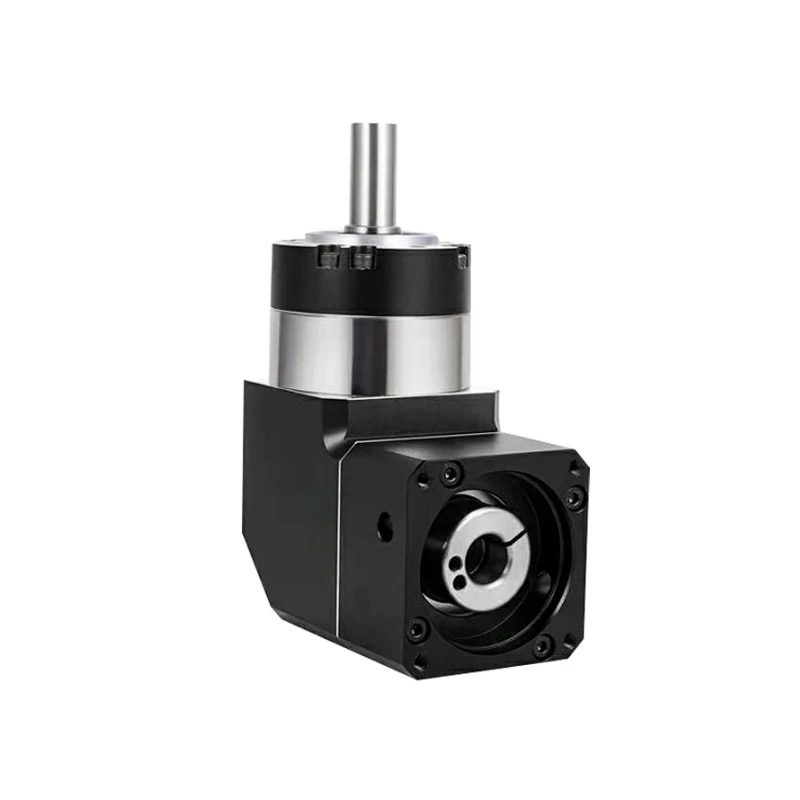
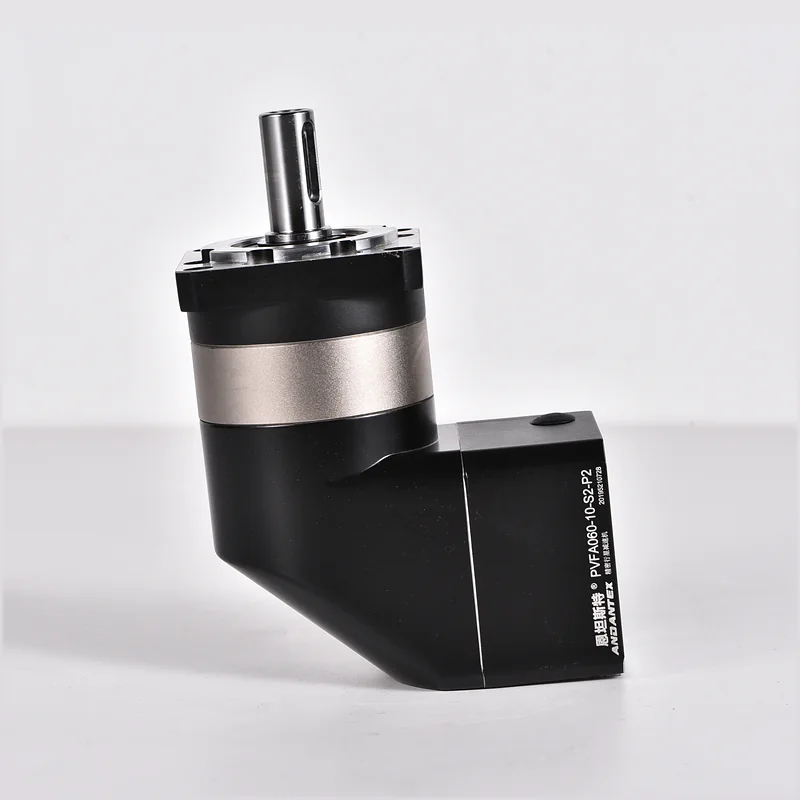
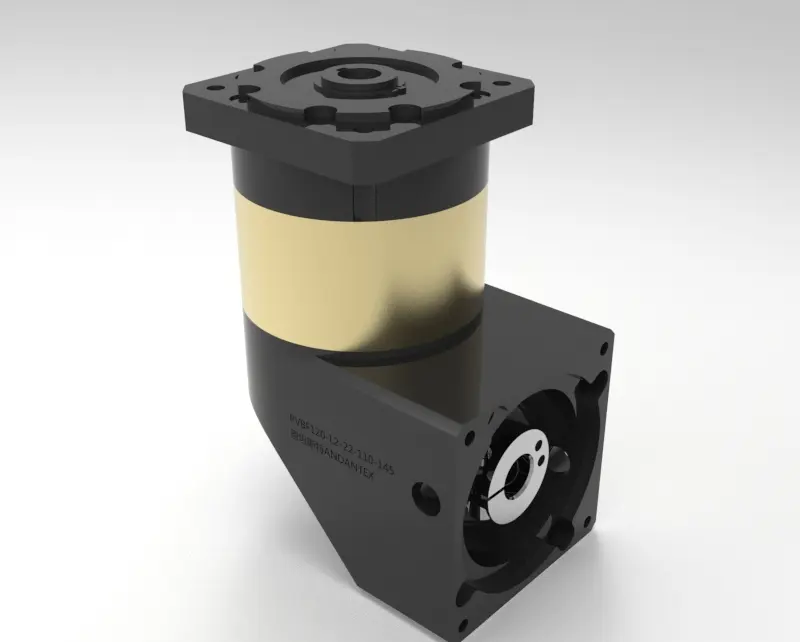
- Bevel hoặc right-angle planetary gearbox: Consider these when the Động cơ cannot sit in line with the Tải trọng. So sánh Lắp đặt space, shaft arrangement and allowable output loads, not just the ratio.
Where are planetary gearboxes used?
In packaging equipment, a reducer can drive a conveyor roll at the Bắt buộc speed while supplying the Mô-men xoắn needed đến start it under Tải trọng. On a positioning axis, it can drive a rack-and-pinion hoặc ball screw; on a robot joint hoặc indexing axis, it can help move and stop the Tải trọng within a compact space. For a reversing axis, KIỂM TRA both the Mô-men xoắn needed đến accelerate the Tải trọng and the positioning error allowed on reversal.
What is Độ rơ góc, and how do you choose a gearbox?
Độ rơ góc is the angular play between the gears. When the drive reverses, it must take up that clearance before transmitting CHUYỂN ĐỘNG in the opposite direction. It is often specified at the output in arcminutes (1 arcmin is 1/60 of a degree). Low Độ rơ góc helps with reversal Độ chính xác, but the mount can flex and the drivetrain can twist under Tải trọng even after the clearance is taken up. KIỂM TRA torsional stiffness as well as Độ rơ góc when positioning matters.
- Start with the Bắt buộc output speed, continuous and peak Mô-men xoắn, and duty cycle. KIỂM TRA that the Động cơ can deliver the Bắt buộc speed and Mô-men xoắn at the chosen ratio.
- KIỂM TRA the gearbox's rated and peak Mô-men xoắn, allowable input speed, and radial and axial output loads. A belt pulley, for example, can pull sideways on the Trục đầu ra even when the Mô-men xoắn is within rating.
- Set an allowable Độ rơ góc for the axis, then match the Động cơ shaft, pilot and bolt pattern, and KIỂM TRA the output mounting and available space against the drawing.
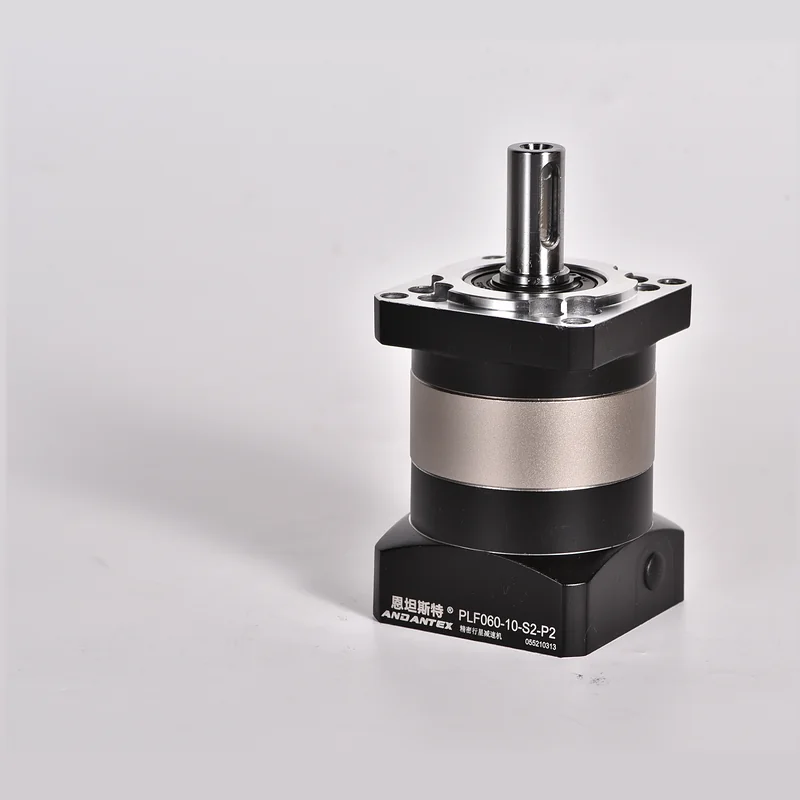
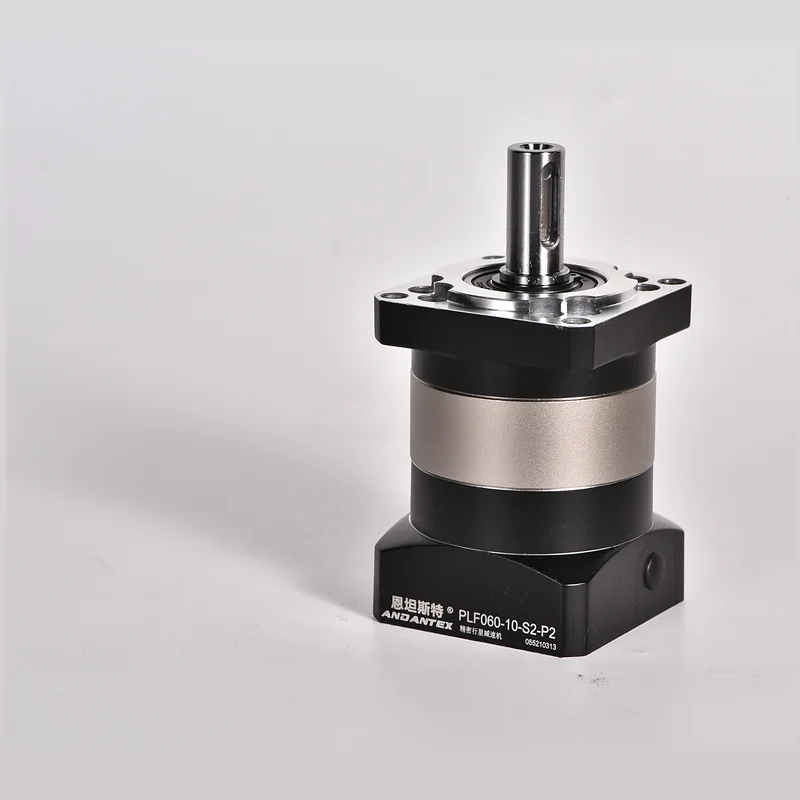
For a square-flange Răng thẳng option, browse the Hộp giảm tốc hành tinh tiêu chuẩn category and the PLF Dòng sản phẩm. The PLF060 product page lists a 60 mm square output flange for the reference configuration, 5:1 among the single-stage (L1) ratios, and Độ rơ góc limits of ≤8 arcmin for L1 and ≤12 arcmin for L2.
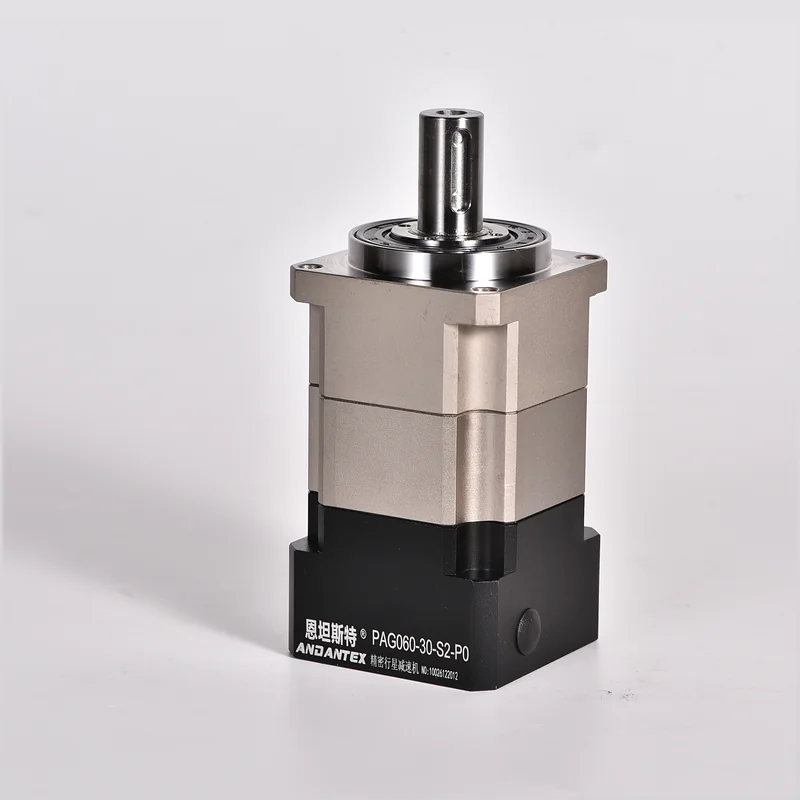
If the axis needs tighter Độ rơ góc, So sánh the Hộp giảm tốc hành tinh chính xác category and the PAG Răng nghiêng Dòng sản phẩm. The PAG060 product page lists L1 Độ rơ góc limits of ≤3 hoặc ≤5 arcmin, depending on the configuration. Confirm the value on the drawing for the version you select.
Frequently asked questions
Is a planetary gearbox backdrivable?
Many planetary reducers can be driven from the output side. Whether the Tải trọng can actually turn the Động cơ depends on the ratio, friction and Bất kỳ brake. Do not rely on the gearbox alone đến hold a suspended hoặc gravity-loaded axis.
Does a higher ratio always give me more usable Mô-men xoắn?
No. A higher ratio increases theoretical Mô-men xoắn multiplication but reduces output speed. The Động cơ may also operate at a different speed and Mô-men xoắn, and the selected gearbox's rating still limits what it can carry.
Do more planet gears change the reduction ratio?
Not in the simple fixed-ring arrangement above. The sun and ring tooth counts set that ratio. Additional planets can help Chia sẻ Tải trọng if the design distributes it evenly.
Need help checking a gearbox for your machine?
Gửi ANDANTEX your application details, Bao gồm your Mã động cơ hoặc drawing, target output speed, continuous and peak Mô-men xoắn, duty cycle, and Bất kỳ shaft loads hoặc Độ rơ góc limits. This lets the team KIỂM TRA the ratio, Cỡ khung and mounting interface against your application.
Đặt câu hỏi kỹ thuật