 PRECISION DRIVE
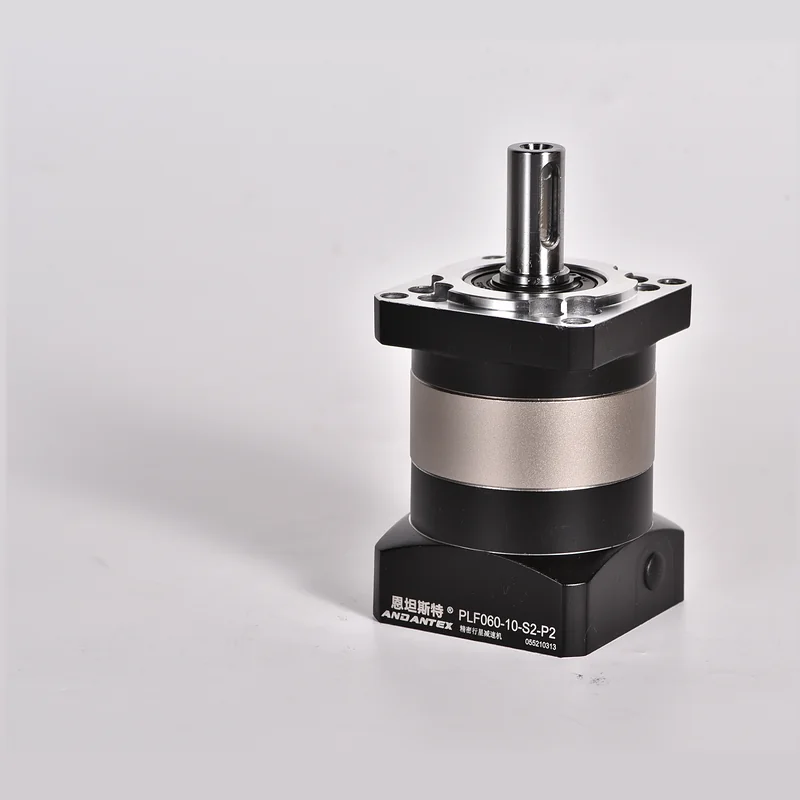
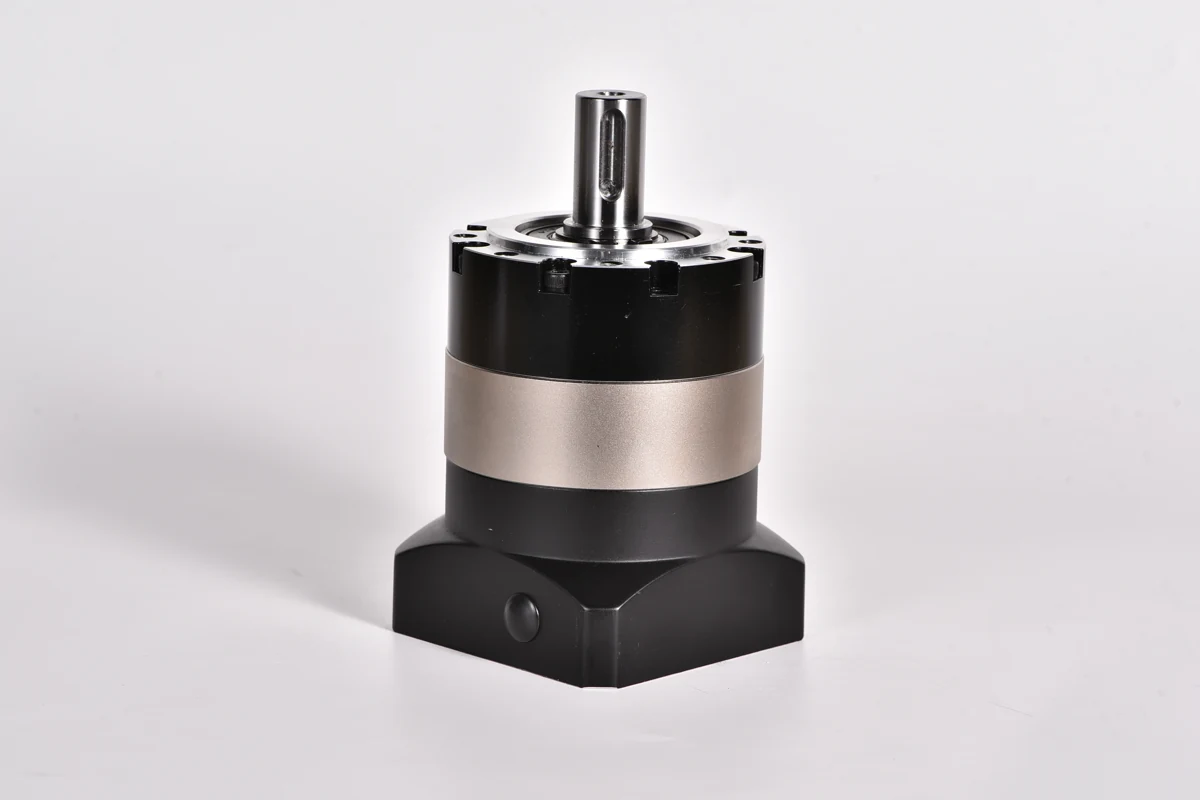
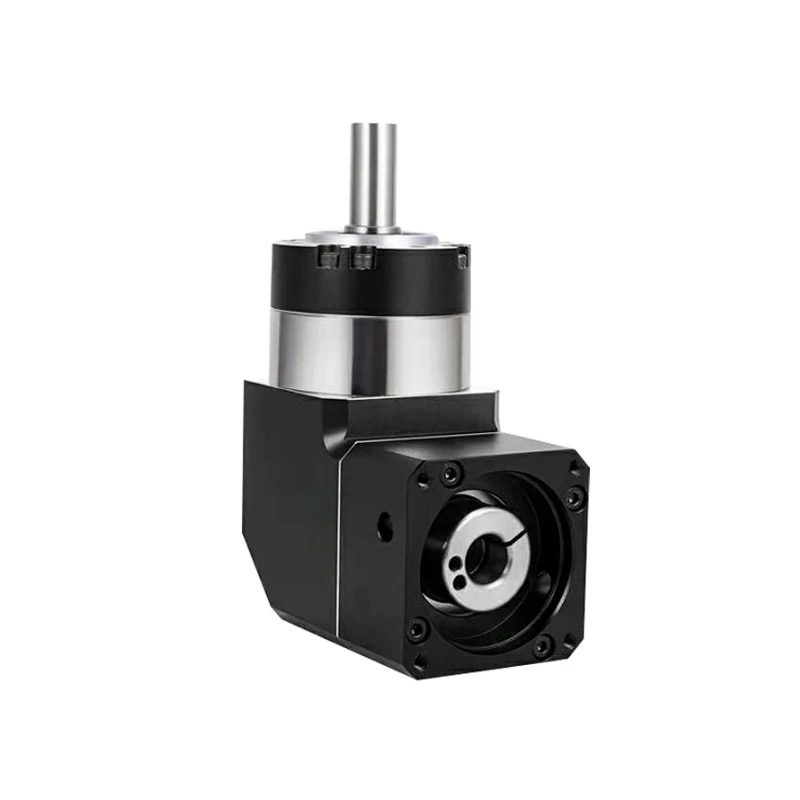
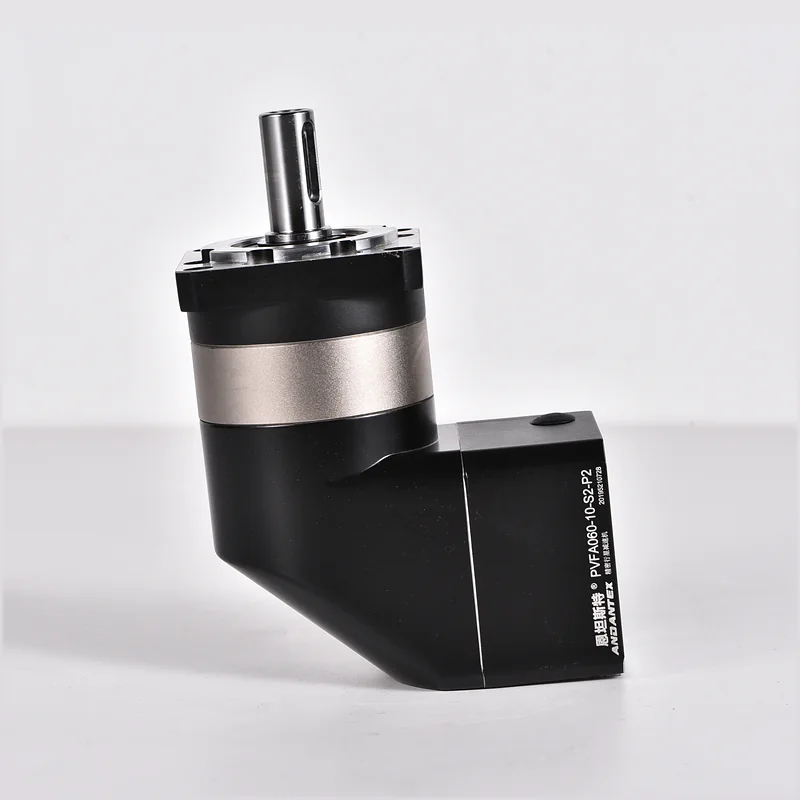
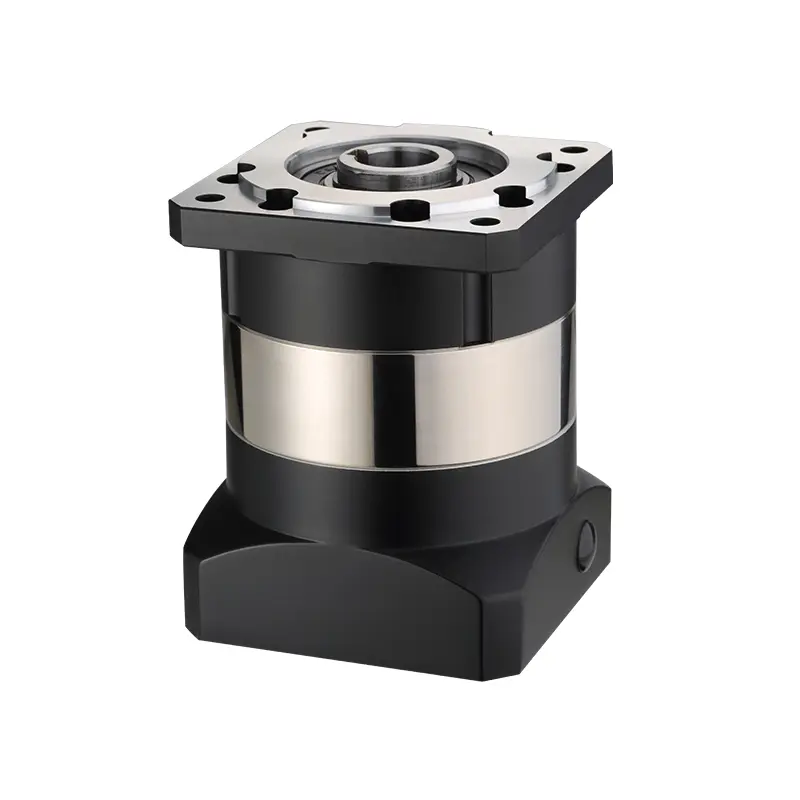
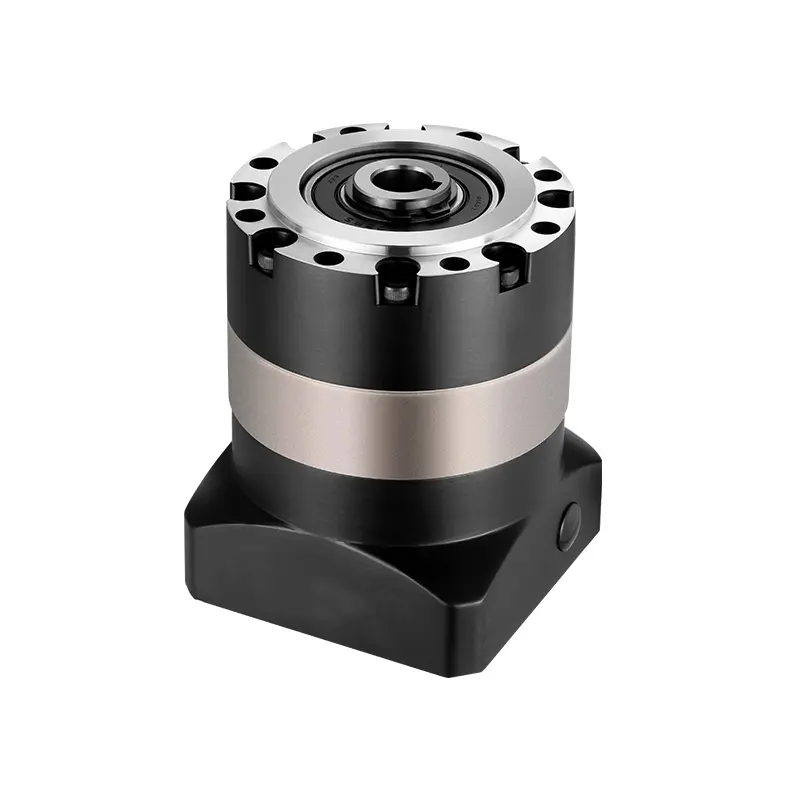
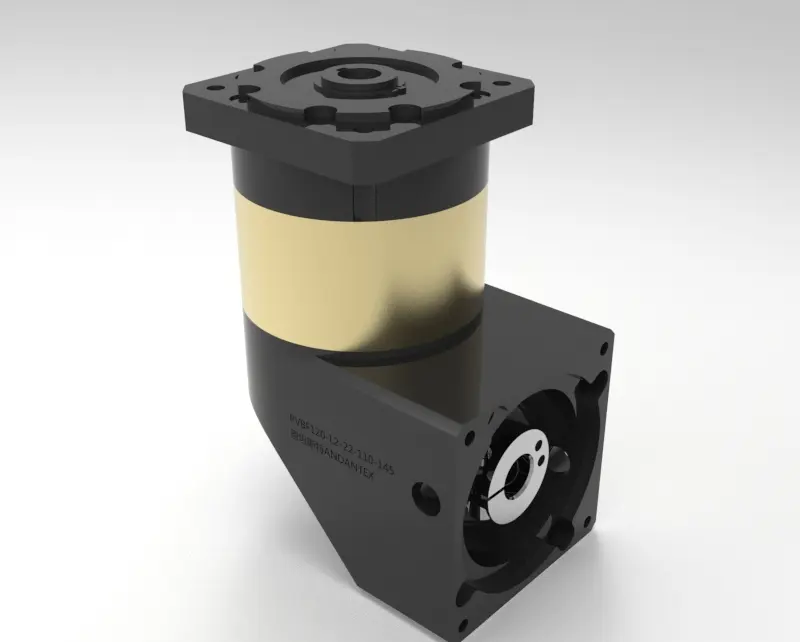
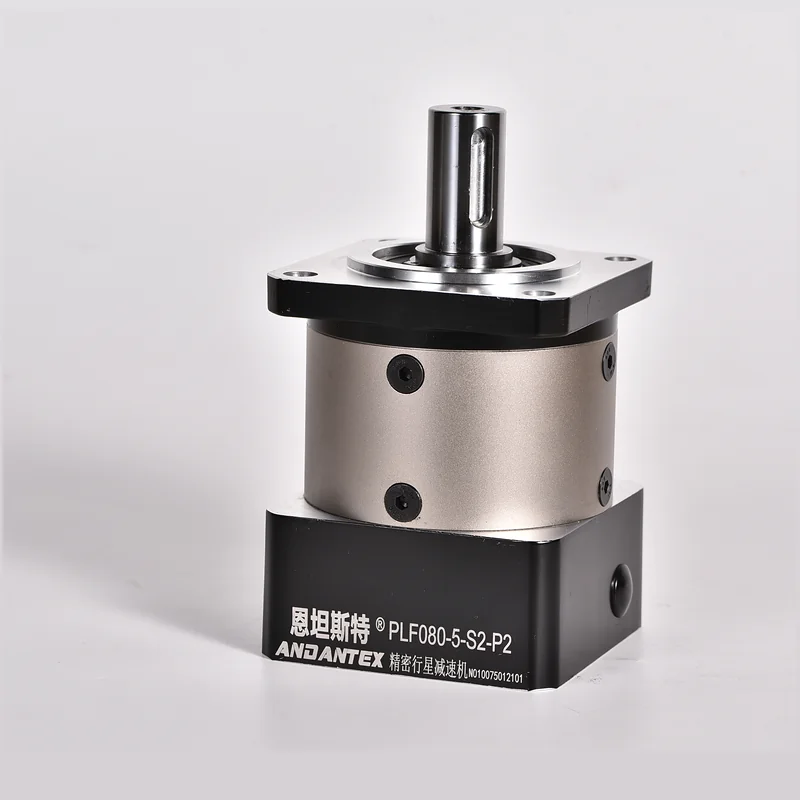
Sometimes yes—you can keep your existing planetary gearbox when upgrading from a stepper to a closed-loop servo motor and swap only the rear input adapter flange and clamping bushing—only if two conditions both pass: first, the gearbox uses a separable bolted motor adapter plate rather than a one-piece cast housing, and second, the internal gearset can survive jumping from slow open-loop stepper duty to fast, high-overload servo dynamics. If the existing reducer is an economy stepper gearbox (12–20 arcmin backlash, 1,500 rpm grease limit), replacing just the flange often triggers servo hunting, overheating, or chipped sun-gear teeth—whereas modular ANDANTEX PLF Series or PAG Series units handle full servo speed out of the box.
1. Five Dimensions That Must Match to Swap Only the Input Flange
A motor adapter plate is precision-aligned on two sides—both to the new servo motor and to the gearbox's rear ring-gear housing seam. Before ordering a replacement adapter flange (for example, converting a NEMA 23 stepper to a 60 mm 400 W servo), confirm all 5 critical dimensions:
| # | Dimension / Interface Side | What You Must Measure & Match | Common Mismatch |
|---|---|---|---|
| 1 | Gearbox-side housing spigot | Rear housing centering bore diameter (H7) and step depth (±0.02 mm) | Different brands use completely non-interchangeable housing seam diameters |
| 2 | Adapter-to-gearbox bolt pattern | Number of screws, thread size (M4/M5/M6), and seam bolt circle (PCD) | Tie-rod corners vs. recessed O-ring face patterns do not swap cross-brand |
| 3 | Sun-gear clamping hub clearance | Hub bore OD, split-collar wall clearance, and axial offset from housing face | New servo clamping sleeve fails to clear oil seal or bearing cap |
| 4 | New servo S-LB-LA face | e.g., NEMA 23 (8-38.1-66.7) 400 W servo (14-50-70) or NEMA 34 19-70-90 | Missing oil-seal lip relief on compact servos |
| 5 | Servo shaft length LR & key | Exact distance from servo flange face to tip of shaft (LR) inside the clamp | Longer servo LR bottoms out—see shaft depth & spacer fixes |
2. Three Dynamic Checks Where Kept Stepper Gearboxes Often Fail
Even when a custom flange bolts right onto the back of an old stepper gearbox, stepping from a stepper motor into a servo changes load physics dramatically:
- Input Speed Jump (
400–800 rpm3,000–6,000 rpm): Stepper torque collapses above800 rpm, whereas servos spin at3,000–6,000 rpm. Economy stepper reducers lack synthetic high-speed grease and Viton lip seals, quickly overheating above rated speed (n1N). Verify speed ceilings via our n1N vs. n1B Speed Guide. - Backlash & Closed-Loop Servo Hunting: Low-cost stepper boxes commonly carry
15–20 arcminbacklash. Under a closed-loop servo encoder, lost motion causes velocity oscillation ("hunting") and resonance squeal. Servo axes normally require≤ 3–8 arcminprecision (PAG / PLF P1). - Peak Acceleration Torque (
1×vs.300%Overload): A stepper simply stalls past100%holding torque; a400 Wor750 Wservo pushes300%(3×) peak torque on every rapid stop and emergency deceleration. Check that your kept unit'sT2Bmax cyclic torque exceeds3 × T_servo_rated × ratio—cross-check with our Servo Matching Chart and NEMA Stepper Selection Guide.
3. Should You Swap Only the Flange or Replace the Unit?
If your existing gearbox is already a precision servo-grade ANDANTEX unit (PAG / PLF / PLE / PLX)—or a named modular servo reducer whose exact rear housing drawing you have—ANDANTEX can CNC-machine a 1-unit (MOQ = 1) input adapter kit in 3–5 business days. On the other hand, if you cannot disassemble the housing to measure the sun-gear bore, or if the old box is a loose economy stepper unit, swapping into a complete PLF or PAG assembly ships in our 3–5 day Fast Dispatch program and prevents repeat downtime.
Frequently Asked Questions (FAQ)
Q1: Can you supply a servo adapter plate for another brand's planetary gearbox?
Only if you remove the existing input plate and provide an accurate 2D caliper/CMM sketch of the housing spigot, seal bore, bolt circle, and sun-gear hub neck—adapter dimensions behind the motor flange are never standardized across gearbox brands.
Q2: My old stepper ran at 600 rpm; what happens if I drive the same gearbox with a 3,000 rpm servo?
Input frictional heat rises sharply, and low-grade mineral grease channels away from the gears. Unless the old gearbox was rated for ≥ 3,000 rpm continuous (n1N), limit your new servo speed in software or upgrade to a true servo planetary box.
Q3: What information should I send ANDANTEX to evaluate keep-vs.-replace?
Send the old gearbox nameplate, the new servo motor model, and a photo of the rear adapter bolts to our Engineering RFQ Desk or select a matched new input code in the Motor Interface Selector.