 PRECISION DRIVE
Gearbox Selection for Radar Antenna Positioning
Selection considerations for azimuth and elevation drives in antenna positioning systems.
Application Description
Antenna positioning drives
Radar antenna systems can use separate azimuth and elevation axes. Each axis has its own mass distribution, inertia, operating range and environmental loads. The complete mechanism, bearing support, motor and control system must be considered together.
Selection considerations
- Define antenna mass, center of gravity, inertia and loads from wind and acceleration.
- Determine the output torque and speed over the full operating range, including holding and peak loads.
- Set the positioning accuracy, repeatability, allowable backlash and settling requirements for each axis.
- Check gearbox output bearing capacity, external supports, mounting and structural stiffness.
- Review temperature, enclosure, lubrication, duty cycle and braking or holding requirements for the installation.
- Confirm motor shaft dimensions, pilot, mounting pattern and the gearbox ratio against the drawings.
Information for selection
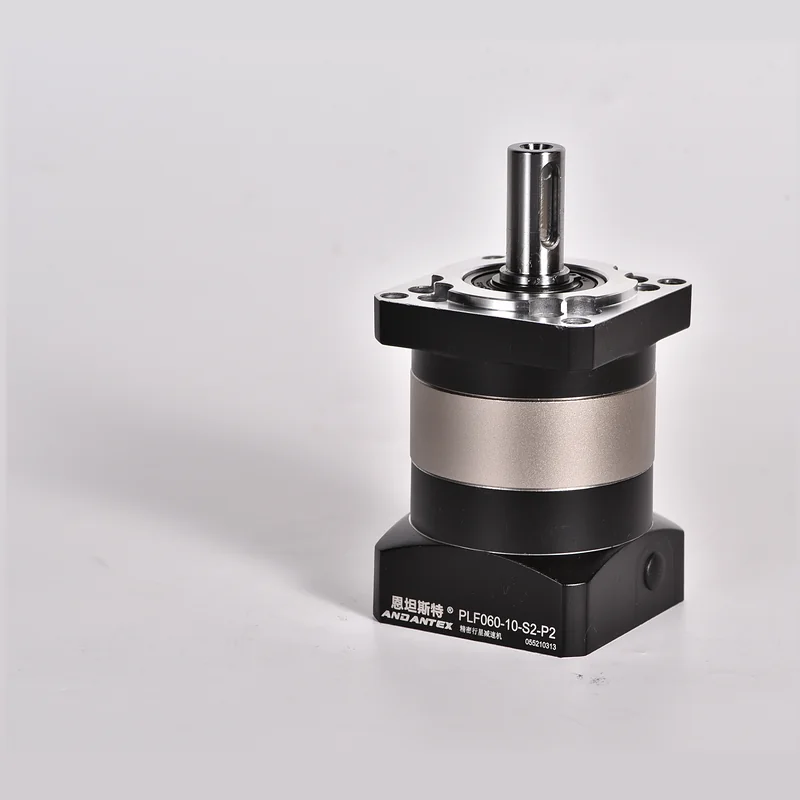
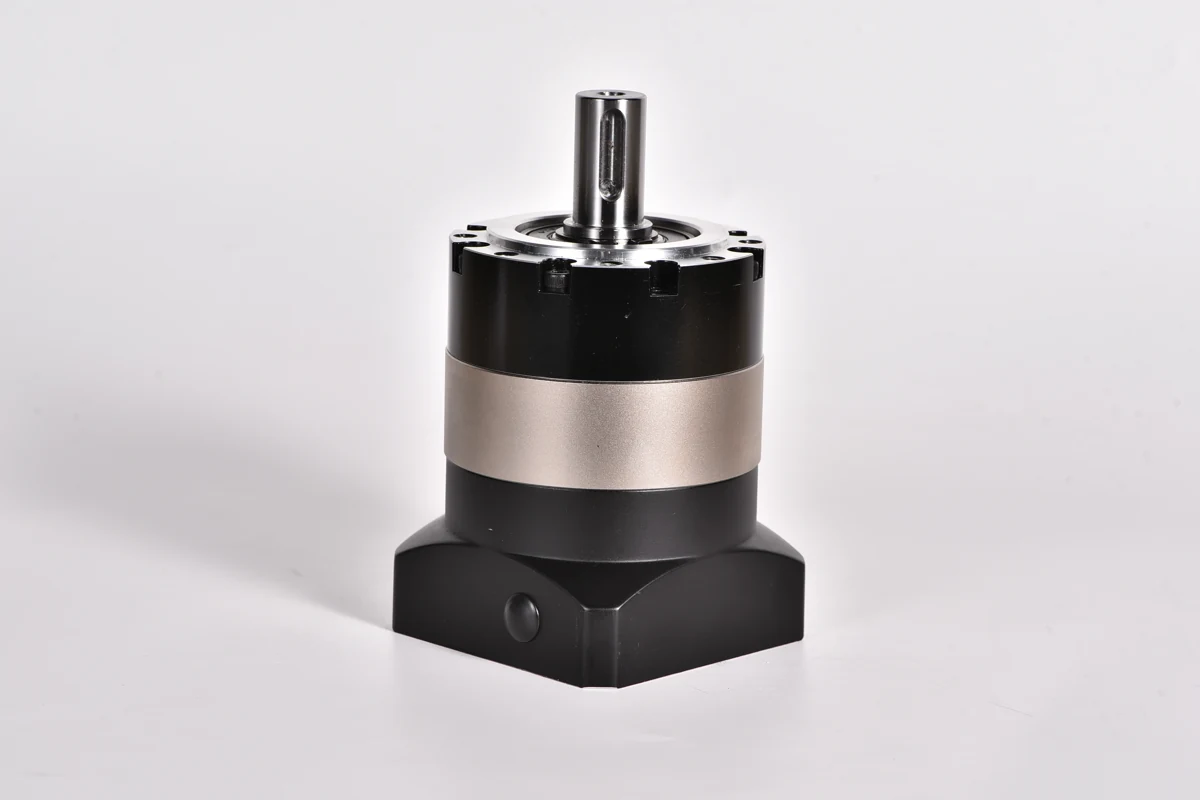
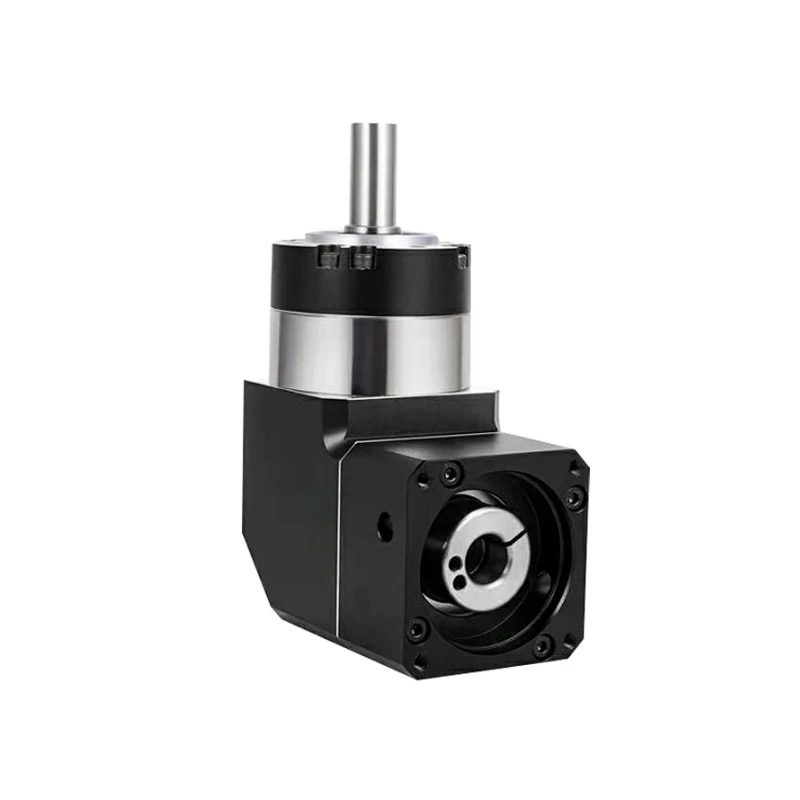
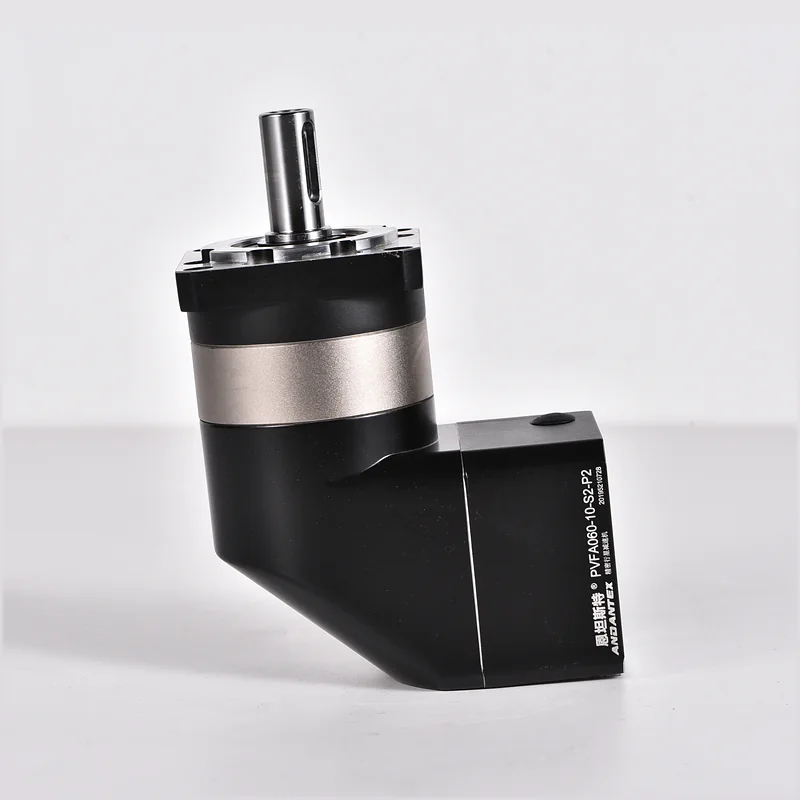
Provide the axis layout, mass and inertia, center of gravity, wind load, motion profile, accuracy requirements, environment and motor drawing. ANDANTEX can review the gearbox interface and operating requirements for the application.
What Matters Most When Selecting for This Application?
- Inertia, wind load and holding torque
- Positioning accuracy and backlash
- Bearing loads and structural stiffness
- Environment and motor interface
Recommended Combination
Motor selected for each axis
View Product ResourcesLocation & Contact
Dongguan Hanrui Automation Technology Co., Ltd.
6th Floor, No. 172 Chonghuan Middle Road, Shijie Town, Dongguan, China
Phone: +86 769 8281 3091
Email: oliver@andantexcn.com