 PRECISION DRIVE
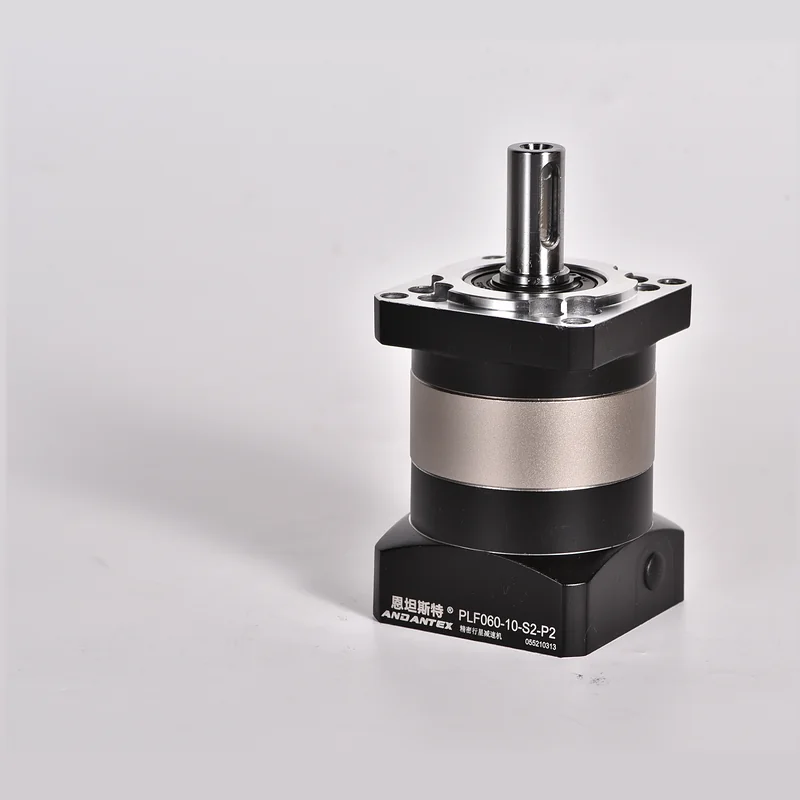
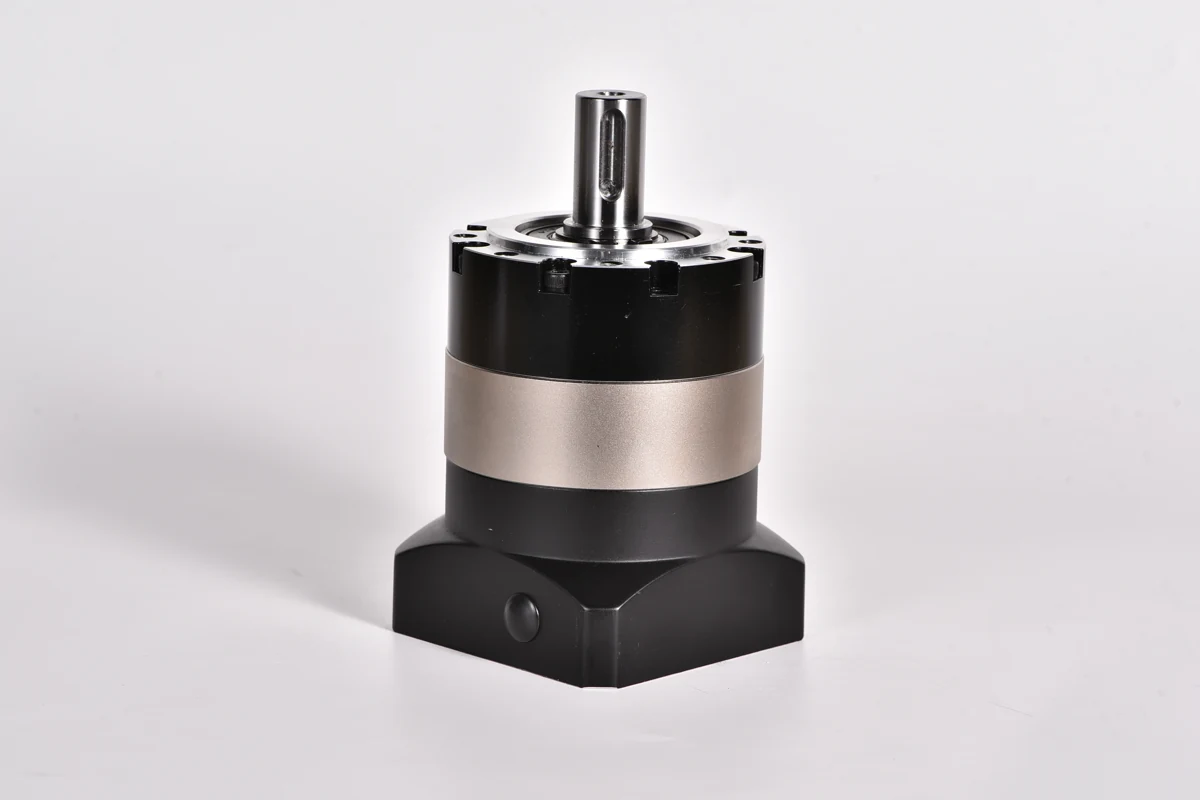
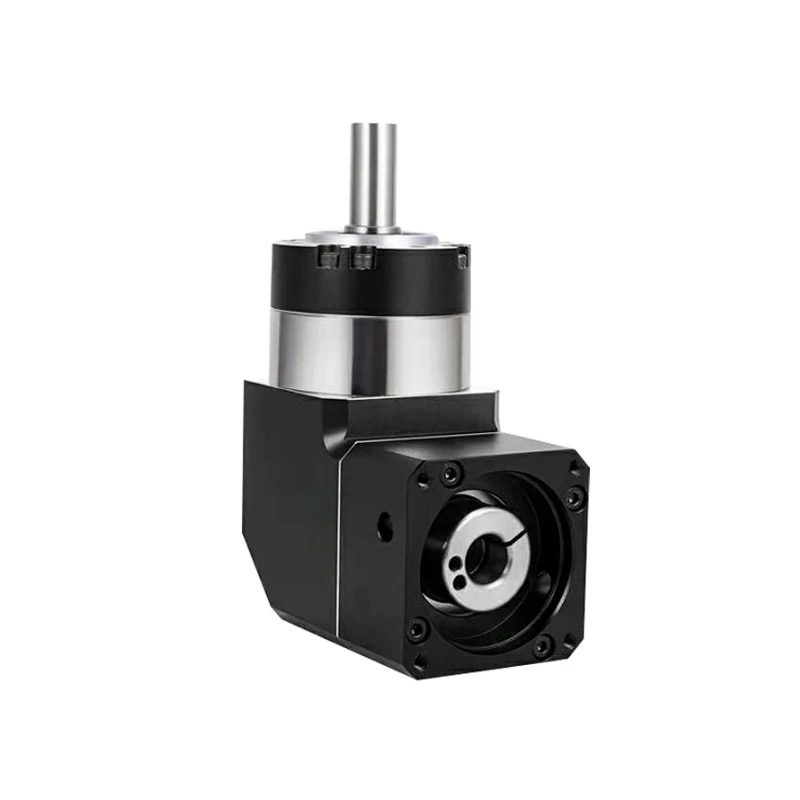
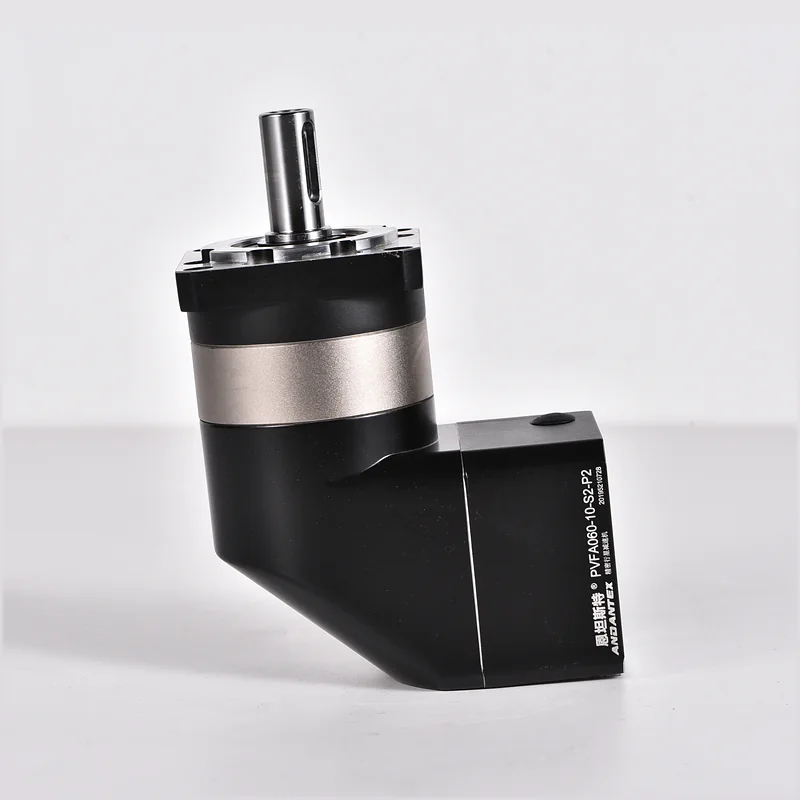
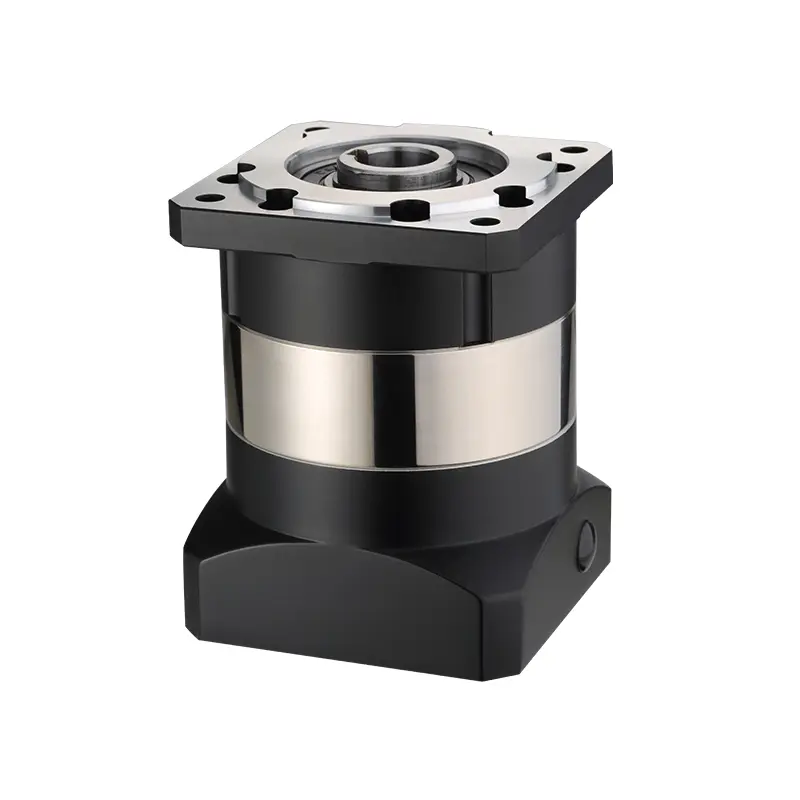
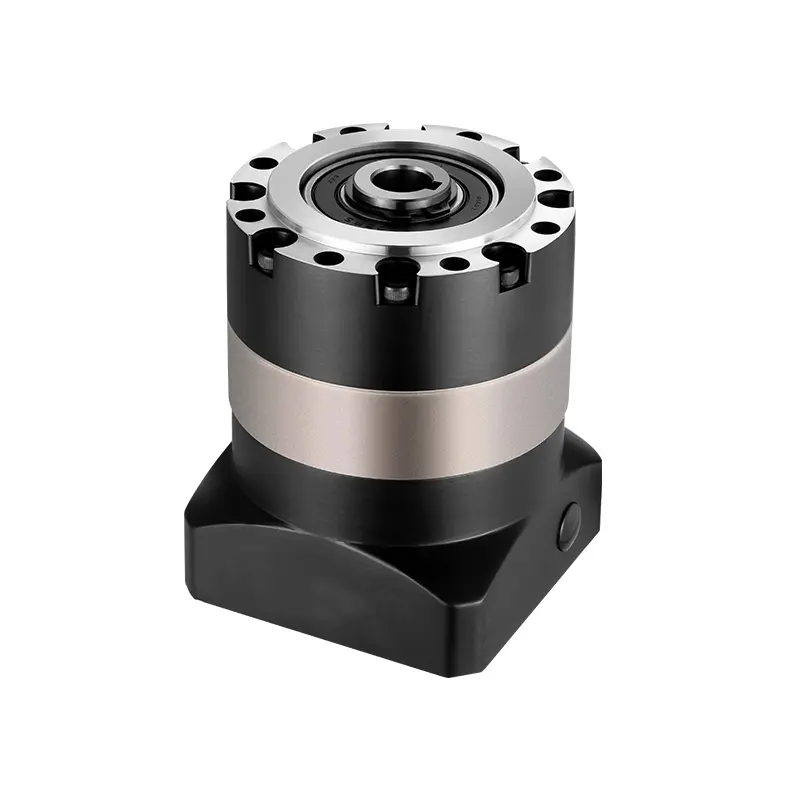
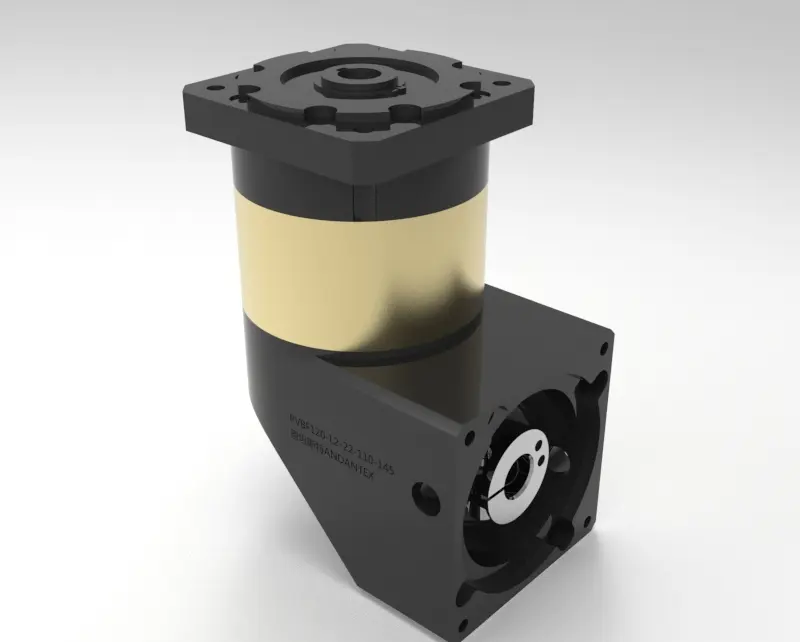
Precision servo planetary gearboxes—including ANDANTEX PAG Helical Series, PLF Square-Flange Series, PLE, PLX Flange Series, right-angle PVFA / PAMG, and NT hollow rotary tables—are engineered specifically to clamp smooth keyless motor shafts directly using an integrated, dynamically balanced split clamping collar (hoop-friction hub). In contrast, standard IEC B5/B14 worm reducers such as conventional NMRV Worm Gearboxes rely on a broached keyway bore and will spin on a keyless shaft unless specified in servo clamping execution (such as KRV Servo Worm Reducers).

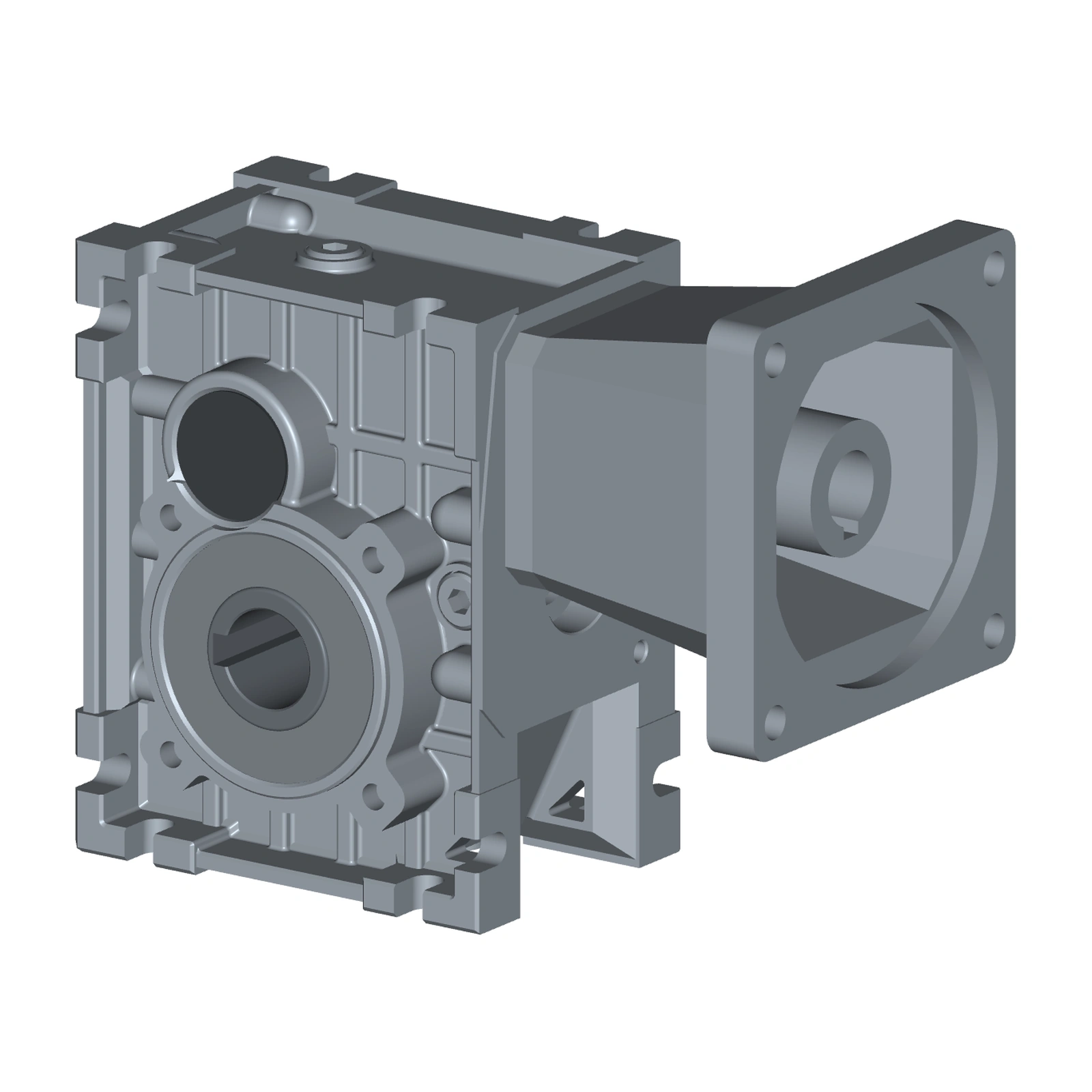
1. Why Modern Servo Makers Prefer Smooth Keyless Shafts (And Keyways Can Hurt)
Engineers upgrading from older industrial induction motors often worry that a smooth shaft without a DIN 6885 keyway will slip inside the gearbox. In high-acceleration servo systems, a precision friction clamp actually outperforms a loose keyway in three measurable ways:
- Zero Reversal Fretting & Knocking: Rapid
CW/CCWindexing hammers a standard key against keyway walls, widening backlash over months into metallic fretting dust. A 360° friction collar eliminates clearance at the motor joint. - High-RPM Dynamic Balance: At
3,500–8,000 rpm, an asymmetric keyway slot and solid key unbalance rotor inertia; balanced planetary split hubs keep vibration low. - Full Shaft Fatigue Strength: Removing sharp keyway stress risers preserves shaft endurance under reversing peak torques; see shaft suffix differences in our Gearbox Model Code Guide (S1 Smooth vs. S2 Keyed).
2. Gearbox Clamping Capability by Drive Architecture
| Gearbox Type | Input Coupling Style | Works on Smooth Keyless Shaft? | Engineering Note |
|---|---|---|---|
Servo Planetary (PAG, PLF, PLE, PLX, PVFA/PAMG) | Integrated split clamping collar + optional concentric reducer sleeve | Yes — Native Design | Rated above motor peak torque once shaft & bore are solvent-degreased |
| Servo Worm Gearbox (KRV Series) | Split clamping hub inside servo bell flange | Yes | Engineered specifically for keyless servo motors requiring worm reduction |
| Standard IEC Worm Gearbox (NMRV B5/B14) | Broached keyway hollow sleeve (no radial pinch) | No — Will Slip | Requires keyed motor shaft (S2) unless converted to servo clamp input |
| Stepper NEMA Box w/ Set-Screw Only | Single radial grub screw onto shaft flat | Marginal on Round Shaft | Brinells soft shafts and loosens under servo acceleration; switch to split collar (NEMA 23 bore guide) |
3. Four Non-Negotiable Workshop Steps to Prevent Keyless Collar Slippage
Nearly 100% of clamping collar slips on plain shafts trace back to assembly shortcut errors rather than insufficient hub strength. Follow these four steps every time you bolt up a servo in our servo matching range:
- Solvent-Degrease Both Shaft and Bore: Factory anti-corrosion wax or oil left on the motor shaft or inside the clamping sleeve cuts steel-on-steel friction by more than 50%. Wipe both thoroughly with brake cleaner or acetone and let dry completely.
- Align the Bushing Slot With the Collar Split: If your gearbox uses a step-down reducer sleeve (for instance,
19 mmhub down to a14 mmshaft), orient the bushing's axial cut straight in line with the clamping hub's slot—otherwise the collar bridges across a rigid wall and barely squeezes the shaft. - Bottom the Flange Flush Before Tightening the Clamp: Tighten the four corner motor-mounting bolts first so the housing centering boss seats square, then torque the collar screw—this prevents axial binding on motor bearings.
- Use a Calibrated Torque Wrench Through the Access Plug: Torque the class
12.9cap screw strictly to the published value in our 2D Installation Manual (for example, M5/M6 screws typically6–14 Nmdepending on frame), then re-install the rubber seal plug.
Frequently Asked Questions (FAQ)
Q1: What shaft tolerance is required so a clamping collar does not slip?
Standard motor shafts ground to h6 (typically +0 / -0.011 mm on 14–19 mm shafts) match our clamping hub bore cleanly. Avoid worn or undersized turned shafts more than 0.03 mm below nominal.
Q2: Can the clamping collar also clamp a keyed motor shaft without slipping or vibrating?
Yes—standard planetary clamping collars include an internal keyway relief or sleeve allowance to clear a removed key or full-depth flat, though balanced keyless h6 shafts yield smoother performance up toward 6,000 rpm peak speeds.
Q3: Can I get a clamping sleeve for odd smooth inch shafts like 1/4 in (6.35 mm) or 1/2 in (12.7 mm)?
Yes—ANDANTEX CNC-machines custom clamping reducer sleeves starting at MOQ = 1 in 3–5 days. Send your shaft diameter and flange print to our Engineering RFQ Desk.