 PRECISION DRIVE
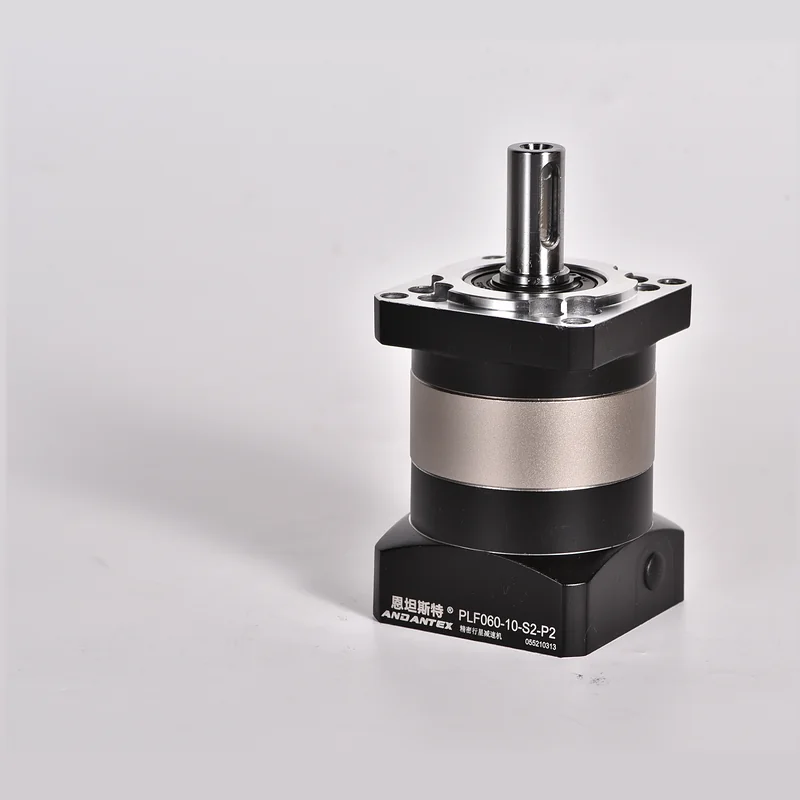
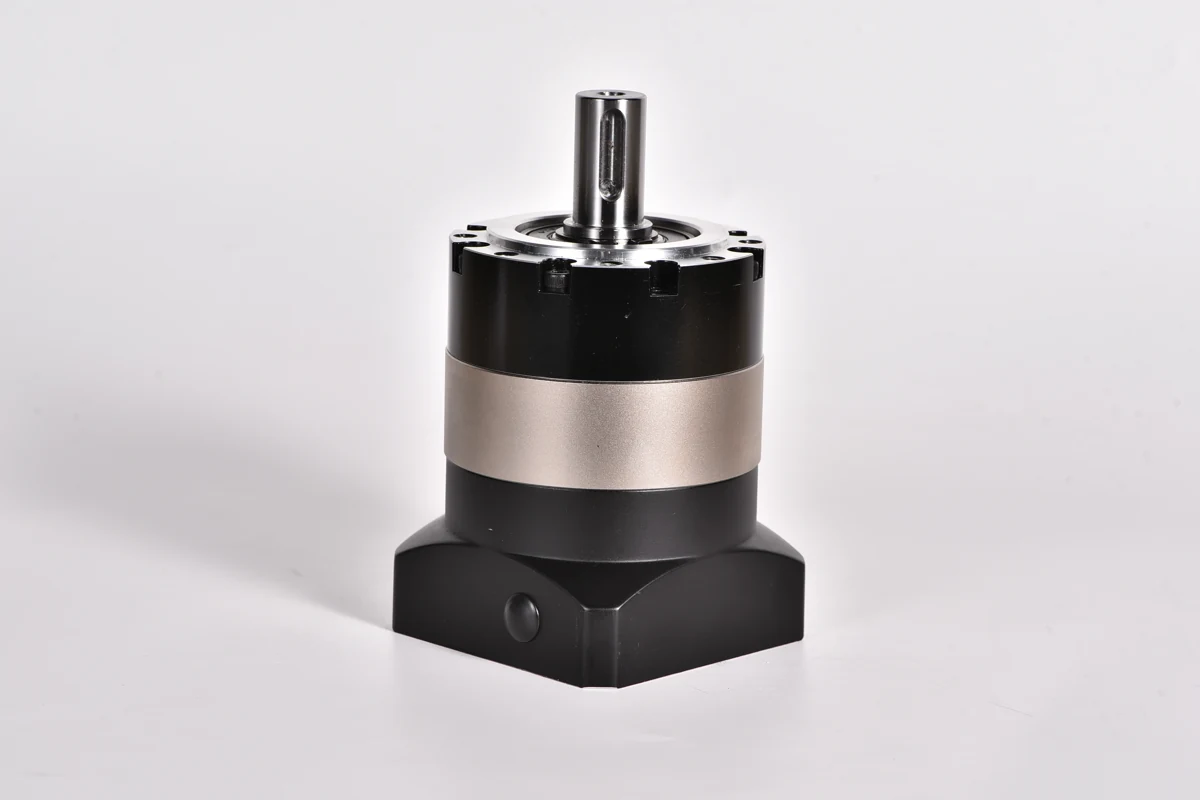
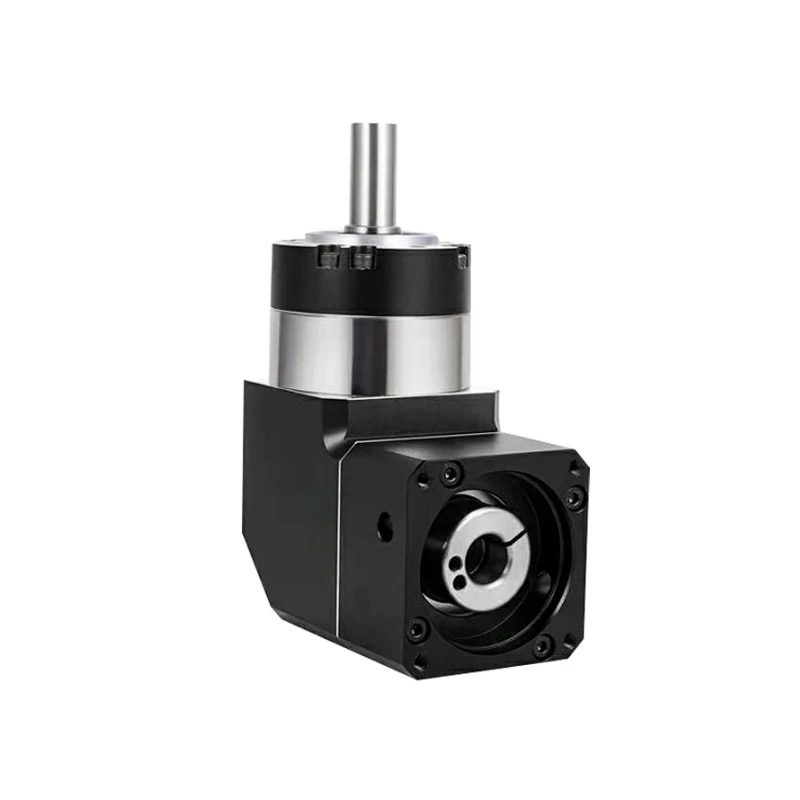
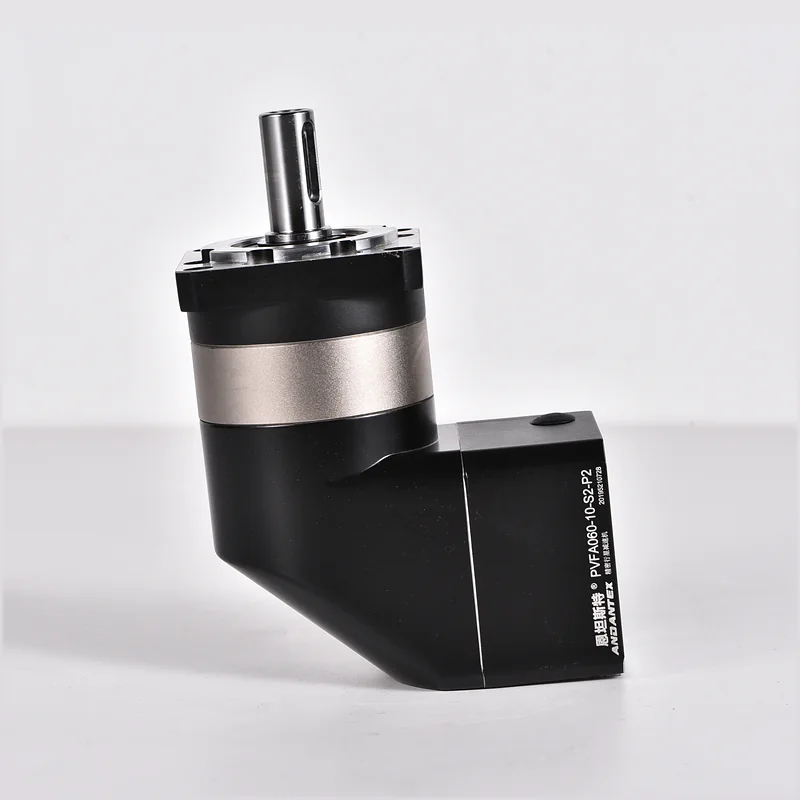
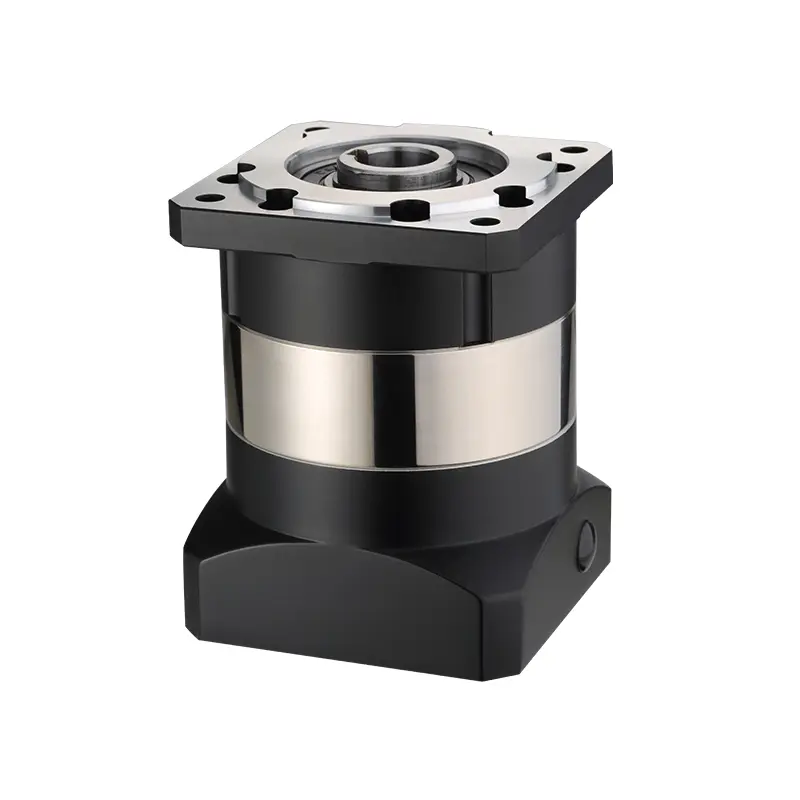
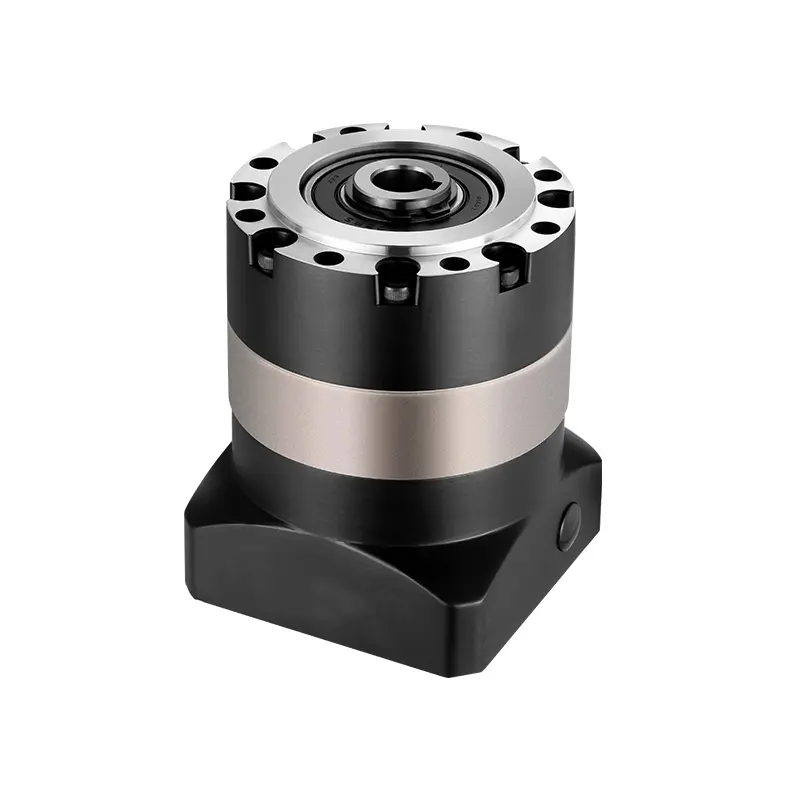
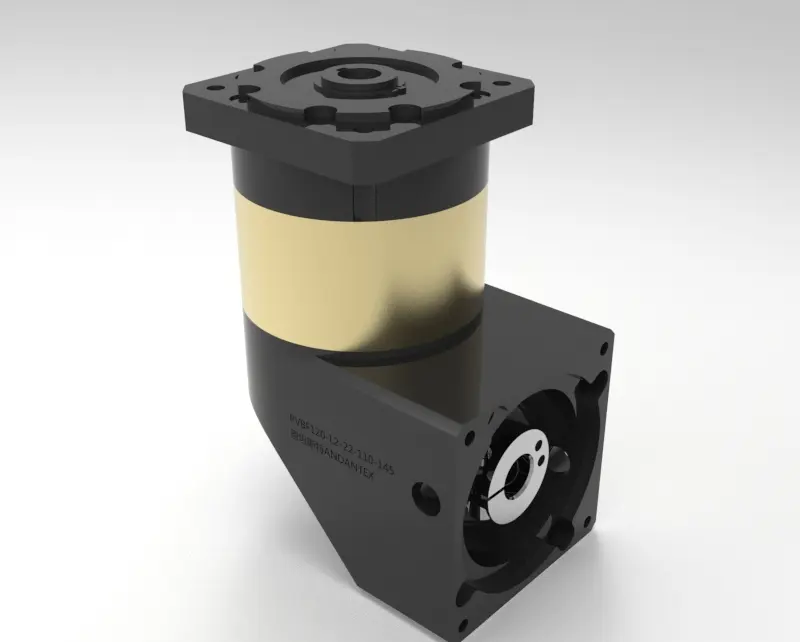
Choosing between a single-stage (L1) and a two-stage (L2) planetary gearbox is one of the fastest decisions in servo sizing—yet picking the wrong stage count can hurt efficiency, add unnecessary backlash, or fail to match load inertia.
Side-by-Side Comparison: Single-Stage vs. Two-Stage
| Specification | Single-Stage (L1) | Two-Stage (L2) |
|---|---|---|
| Standard Ratios | 3, 4, 5, 7, 8, 10 : 1 | 15, 16, 20, 25, 30, 35, 40, 50, 70, 100 : 1 |
| Full-Load Efficiency | 96% – 97% | 92% – 94% |
| Typical Precision Backlash | ≤ 1 – 3 arcmin (helical) / ≤ 5–7 (spur) | ≤ 3 – 5 arcmin (helical) / ≤ 8–12 (spur) |
| Axial Length & Weight | Shorter, lighter | Longer (+15–30 mm) |
| Inertia Reduction (1/i²) | 9× to 100× | 225× to 10,000× |
When to Choose Each Stage Count
- Choose Single-Stage (L1) when your required output speed is 300–1,000 RPM, maximum efficiency and compact length matter, and load inertia is moderate.
- Choose Two-Stage (L2) when you need high output torque from a compact servo motor, slow precise positioning (<200 RPM), or strong inertia reduction (
JL / (i² × Jm) ≤ 5).
Verify your exact ratio and torque with our Planetary Gearbox Calculator, compare Standard Inline Planetary vs. Precision Helical Planetary series, or request sizing help via RFQ.
Leave a Technical Question