 PRECISION DRIVE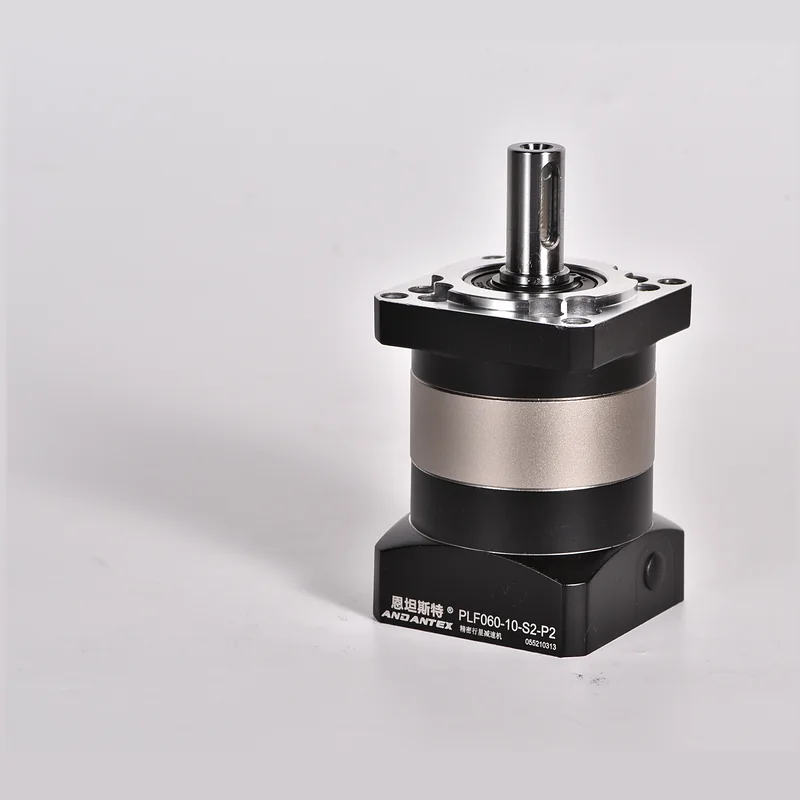
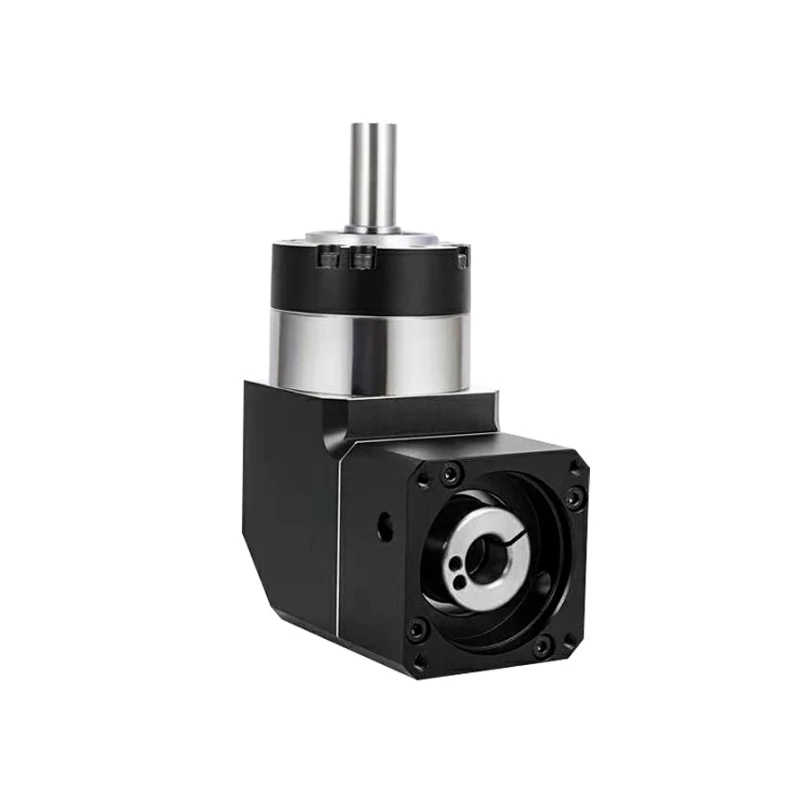
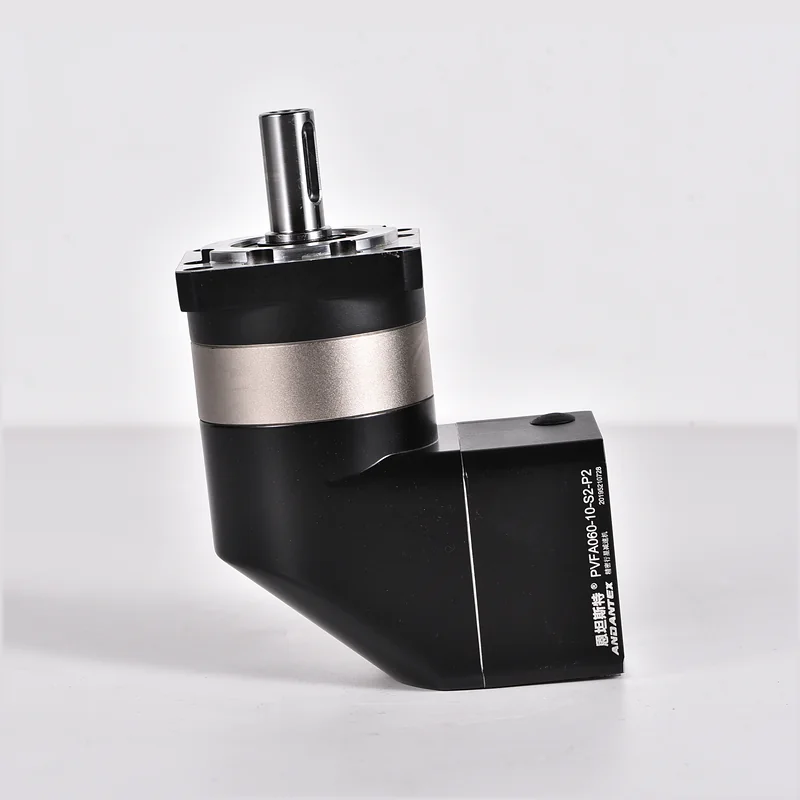
Key Takeaway:Begin by examining gear meshing, Bearing, Mounting Rigidity, Concentricity, Check load changes and lubrication conditions step by step.
First Check Whether Noise Changes with Speed
If the noise frequency changes noticeably with speed, It may relate to gear meshing or bearing rotation.
Check Installation & Concentricity
Uneven Flange Face, Loose Bolts, Poor motor concentricity can amplify vibration and noise.
Compare Loaded & Unloaded Operation
Quiet When Unloaded, Noticeably Louder under Load, Focus on Load Conditions, Radial Force, Offset Loads & Structural Rigidity.
Lubrication & Internal Wear
Abnormal Lubrication, Worn bearings or damaged gear teeth can cause persistent abnormal noise.
How to Apply This Information to Selection?
Do not make a final selection from a single parameter. Review the motor model, Load, Target Output Speed, Torque, Inertia, Check acceleration/deceleration time and mounting interfaces together, Then select the series and model.