 PRECISION DRIVE
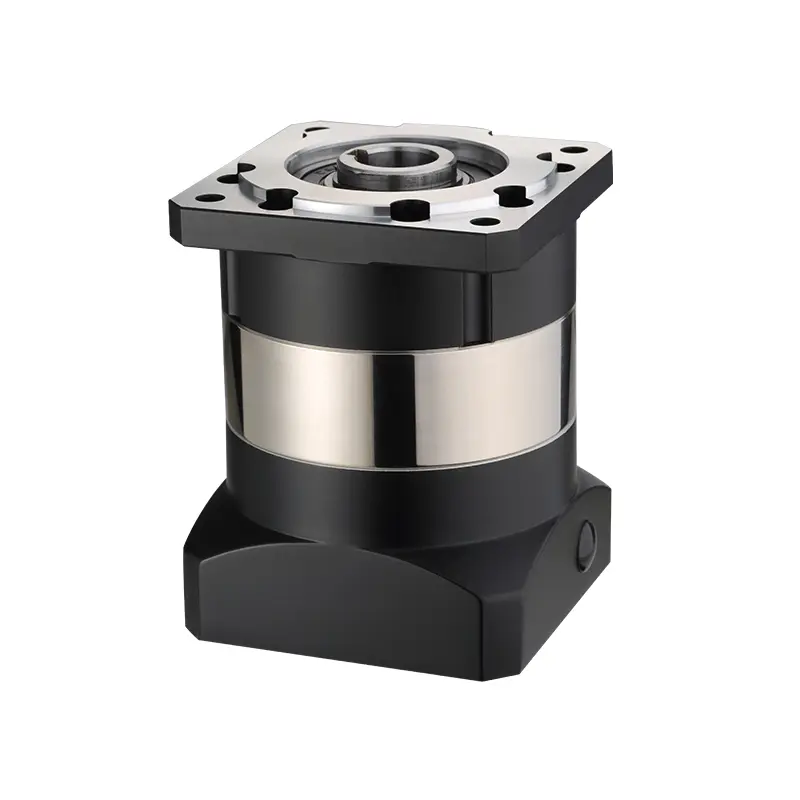
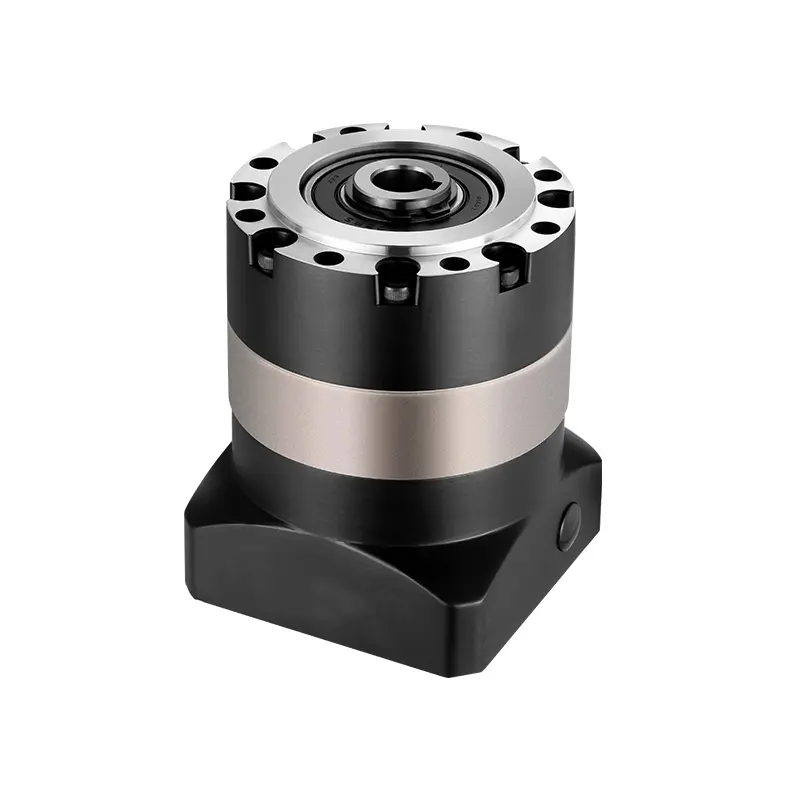
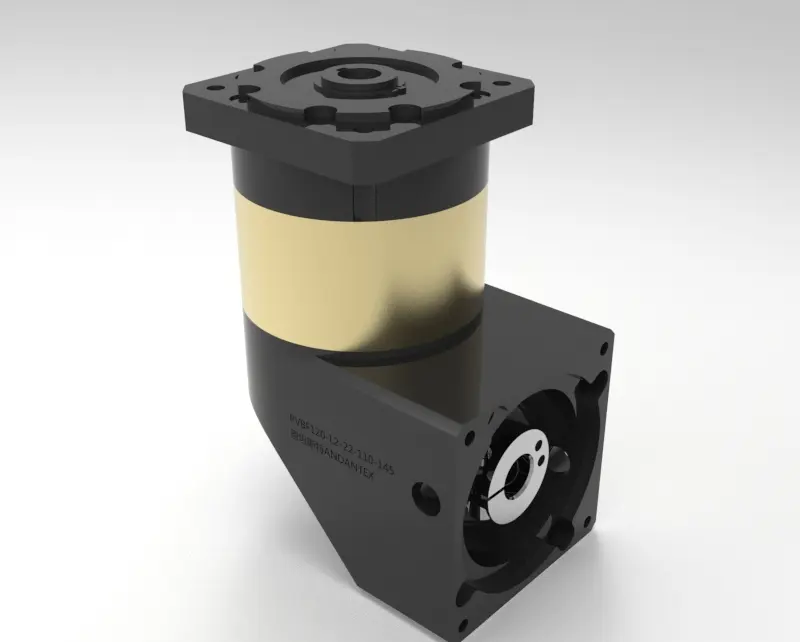
A heavy-duty hollow rotary table must both rotate the fixture and support its working loads. These are separate design checks: enough driving torque does not automatically mean that the output bearing, mounting flange or machine base can support the application.
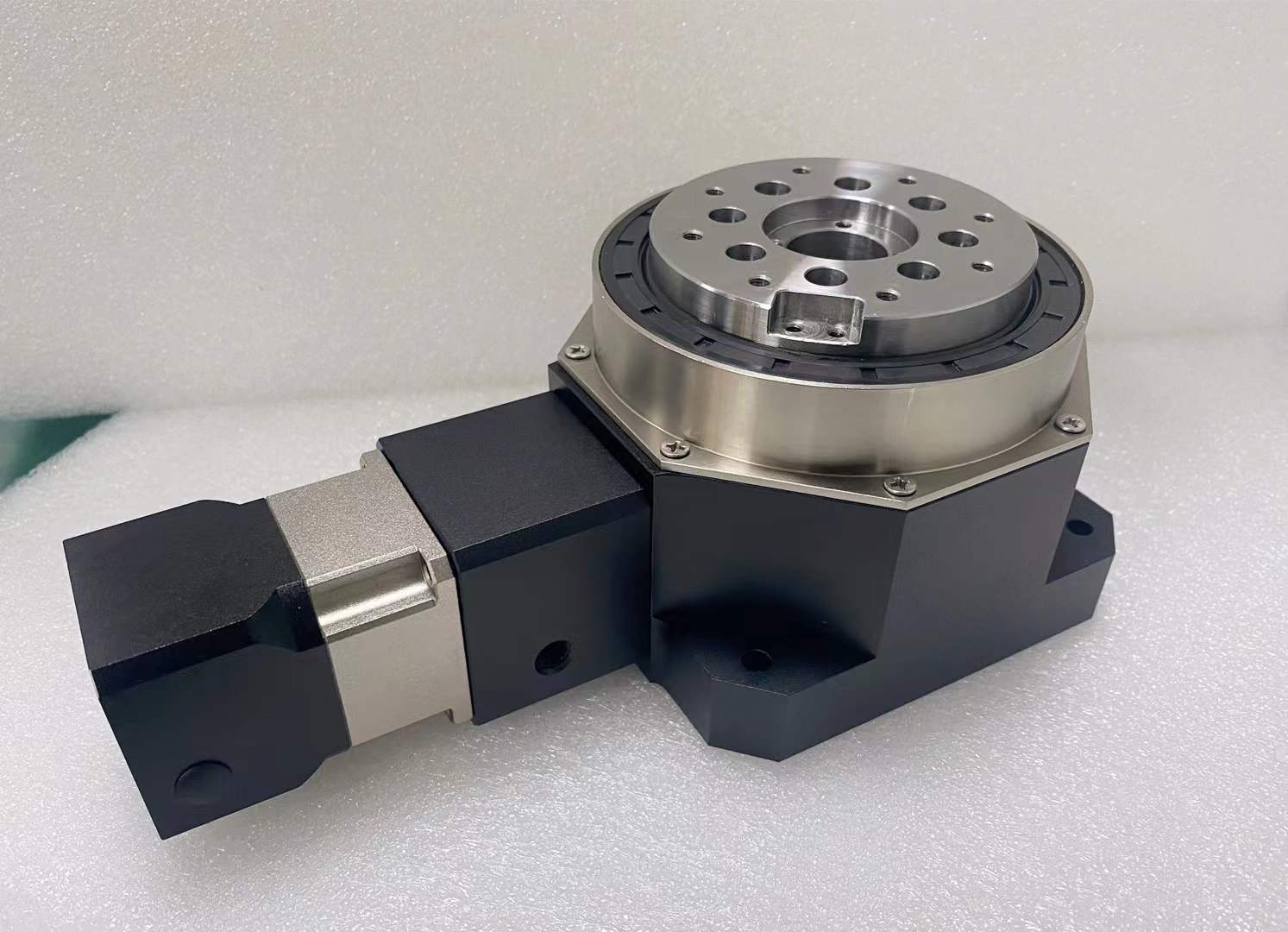
What the hollow spindle does
The central opening provides a route for cables, pneumatic lines, vacuum tubing or an inspection path. Confirm the usable bore with the installed fixture and connectors in place. An open bore alone does not permit unlimited rotation: cable twist, bend radius and the possible need for a rotary union or slip ring must be assessed separately.
Follow the load through the structure
The fixture transfers its forces into the output table or flange, through the bearing support and housing, and finally into the machine frame. Check this complete load path. A flexible mounting plate or an unsupported overhang can reduce positioning stability even when the rotary unit itself is correctly sized.
Bearing arrangement, support diameter and structural rigidity depend on the exact model. Do not infer internal construction or a permissible load from the outside dimensions or the term heavy-duty.
Separate axial load, radial load and overturning moment
- Axial load: force acting along the rotation axis.
- Radial load: force acting perpendicular to the rotation axis.
- Overturning moment: a load tending to tilt the output table, often increased by an offset fixture or a tall workpiece.
For a perpendicular force at a known lever arm, moment equals force multiplied by the perpendicular distance. Record mounting orientation and the load position throughout the cycle. Compare simultaneous loads with the manufacturer's combined-load limits, not just separate headline maximum values.
Rigidity and dynamic operation
Load capacity and stiffness answer different questions. Capacity concerns permissible loading; stiffness concerns deflection under that loading. A process may need a small allowable tilt or displacement even when bearing loads remain within limits.
Include fixture inertia, acceleration, deceleration, process forces and emergency-stop conditions in the review. A slow steady rotation and a short indexing move impose different demands. Confirm the required cycle time, settling time and positioning tolerance as a complete operating cycle.
Information to confirm before ordering
- Workpiece and fixture mass, dimensions and center-of-gravity location.
- Axial and radial forces, overturning moment and process-force direction.
- Angle per move, indexing time, dwell time and cycles per minute.
- Required bore, mounting orientation, motor interface and installation space.
- Allowable tilt, runout, repeatability and environmental conditions.
- Exact model drawing, permissible loads, torque ratings and installation instructions.
HTN heavy-duty cam roller hollow rotary tables
For heavy-duty hollow rotary applications, the corresponding ANDANTEX range is the HTN series cam roller hollow rotary tables. Start with HTN when discussing heavy or uneven loads, then confirm the exact model against the fixture layout, operating cycle and permissible loads.
When comparing cam roller mechanisms, distinguish the roller gear cam from the roller followers, and distinguish torsional rigidity from repeatability. Rigidity describes resistance to elastic twist under torque; repeatability describes the consistency of returning to a position under specified test conditions. Confirm both from the selected HTN model specifications.
Flipping mechanisms and horizontal-axis loads
For fixtures that rotate a workpiece about a horizontal axis, use the dedicated HTM flipping-mechanism selection guide. It shows how to separate gravity torque, acceleration torque and overturning moment, then connect those values to the fixture drawing and operating cycle.
Discuss the application with ANDANTEX
Use the hollow rotary table range to identify the available configurations. For motor sizing and installation steps, read How to Select and Install a Hollow Rotary Table. Send a fixture drawing and operating cycle with your selection request so that the exact model and its load limits can be checked.
Leave a Technical Question