 PRECISION DRIVE
Stepper motor speed depends on command pulse frequency and the driver's configured pulses per revolution. For a pulse-input system, motor speed in rpm is n = 60 × f / P, where f is command frequency in hertz and P is the number of command pulses needed for one motor revolution. If a reduction gearbox is fitted, output speed is motor speed divided by the reduction ratio.
Identify the correct pulses per revolution
For a conventional microstepping setup without an additional electronic gearing factor, P = (360 / full-step angle) × microsteps per full step. A 1.8-degree motor has 200 full steps per revolution. At eight microsteps per full step, it needs 1,600 command pulses per revolution.
Some drivers display pulses per revolution directly. Use that configured value when available. Internal interpolation, controller electronic gearing and the external STEP input are not always expressed in the same units; confirm the driver's command-resolution setting before calculating.
Pulse-frequency formulas
| Required value | Formula | Units |
|---|---|---|
| Motor speed | n = 60 × f / P | rpm |
| Required command frequency | f = n × P / 60 | Hz, or pulses per second |
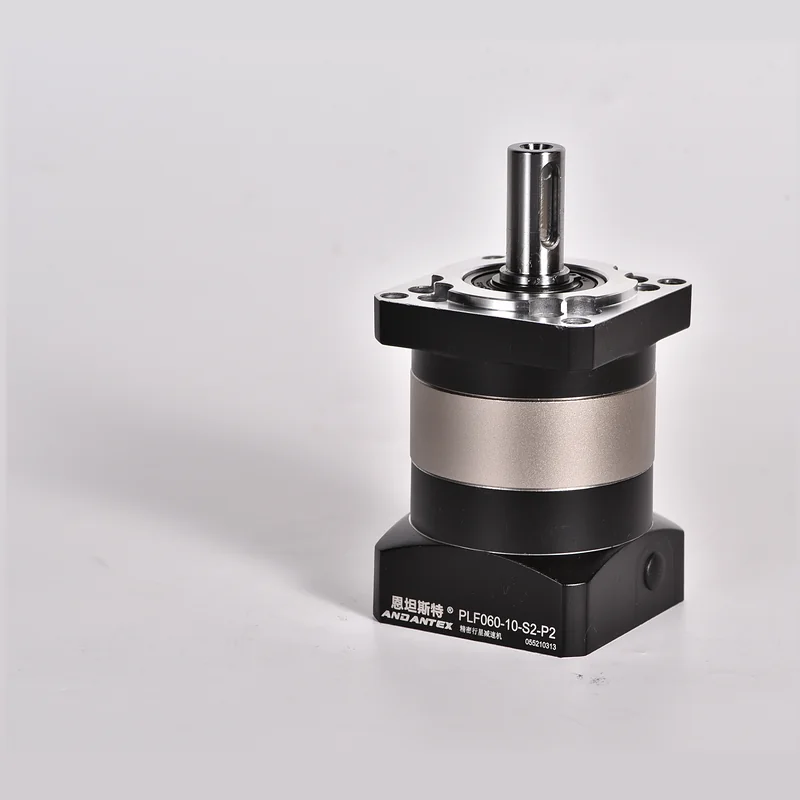
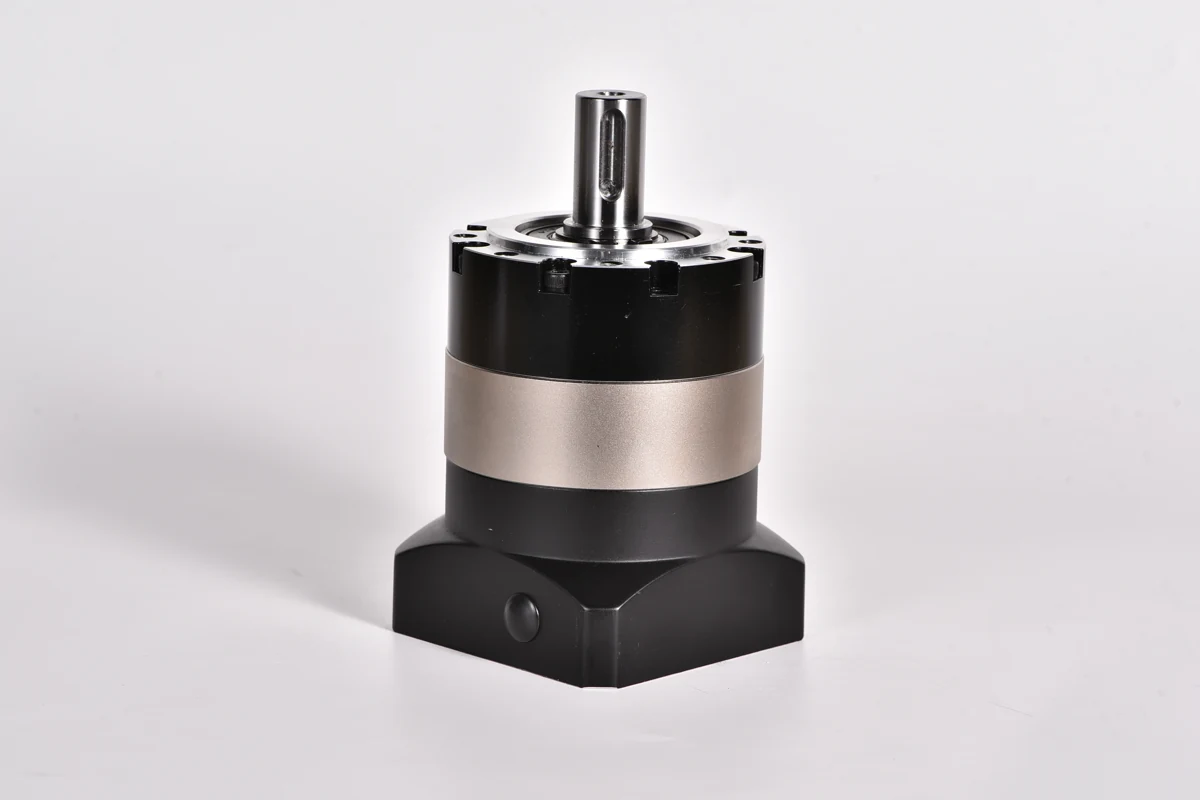
| Gearbox output speed | n_out = n / i | rpm, with reduction ratio i |
| Pulses for a motor rotation | Pulse count = angle × P / 360 | pulses, with angle in degrees |
Worked example: 1.8-degree motor at eight microsteps
Assume P = 1,600 pulses per revolution and a target motor speed of 300 rpm. The required command rate is 300 × 1,600 / 60 = 8,000 Hz, or 8 kHz. With a 5:1 reducer, the corresponding output speed is 300 / 5 = 60 rpm.
For the same command resolution, the following values give a quick arithmetic check:
| Command frequency | Motor speed | Output speed with 5:1 reduction |
|---|---|---|
| 2,000 Hz | 75 rpm | 15 rpm |
| 8,000 Hz | 300 rpm | 60 rpm |
| 16,000 Hz | 600 rpm | 120 rpm |
These examples describe commanded motion. They do not establish the available motor torque or prove that the mechanism will follow the command under load.
Why the measured speed may differ
- Resolution mismatch: the controller and driver use different pulses-per-revolution settings.
- Frequency units: 8 kHz means 8,000 pulses per second, not 8,000 rpm.
- Acceleration: an abrupt jump to the target pulse rate can exceed the available starting torque.
- Load and speed: check the torque-speed curve for the actual motor, driver and supply combination.
- Mechanical ratio: include the gearbox and any additional belt or screw transmission when checking final motion.
Matching a stepper motor to a gearbox
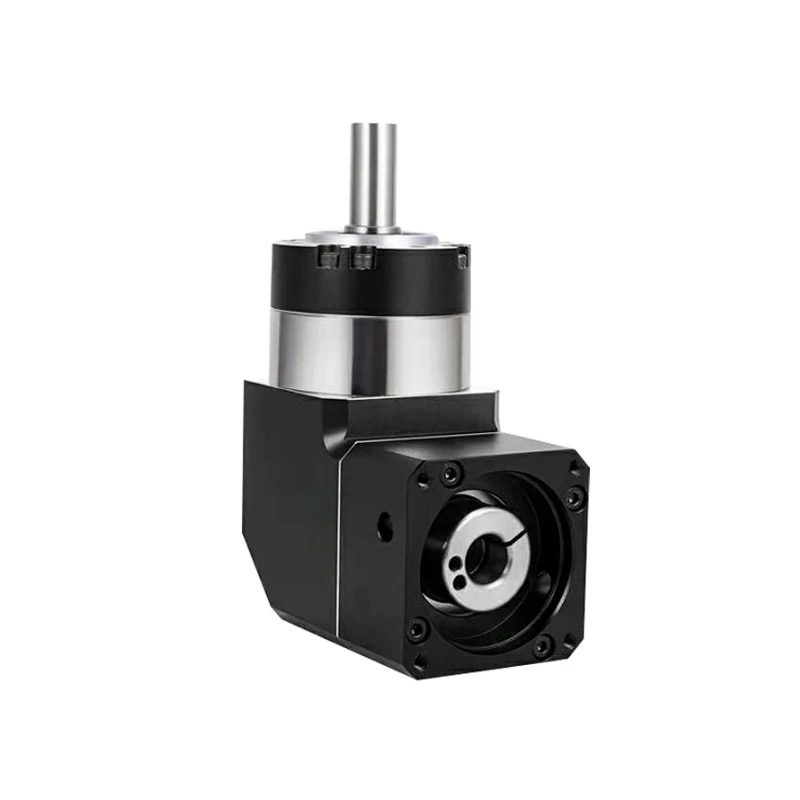
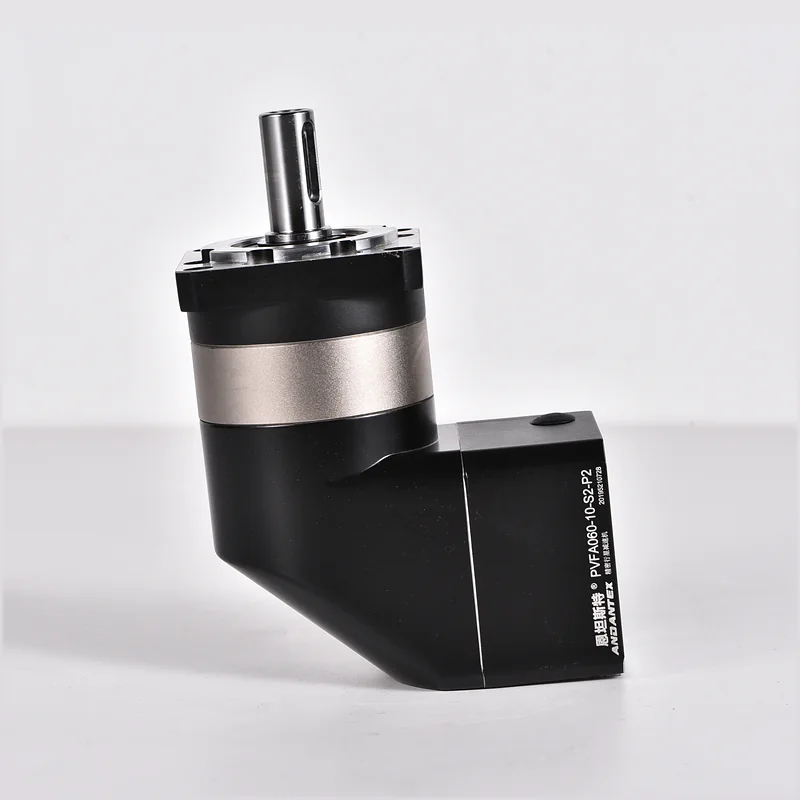
Use the motor-based gearbox selector to identify candidate interfaces, then check shaft diameter, shaft length, locating pilot and mounting holes against the actual motor drawing. NEMA frame size alone does not confirm fit.
Calculate the required output speed, load torque and acceleration profile before choosing the ratio. Read the planetary reduction-ratio guide and rated versus peak torque guide, then send your motor drawing and motion cycle for selection.
Technical references: Oriental Motor's pulse-frequency and rotation-speed relationship and Analog Devices' explanation of microstep resolution.
Leave a Technical Question