 PRECISION DRIVE
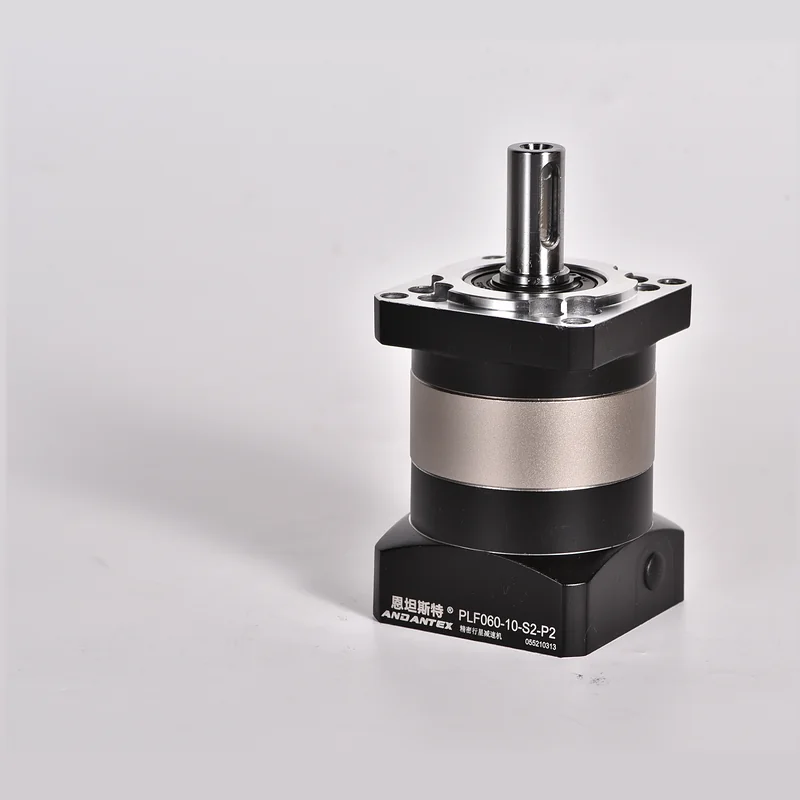
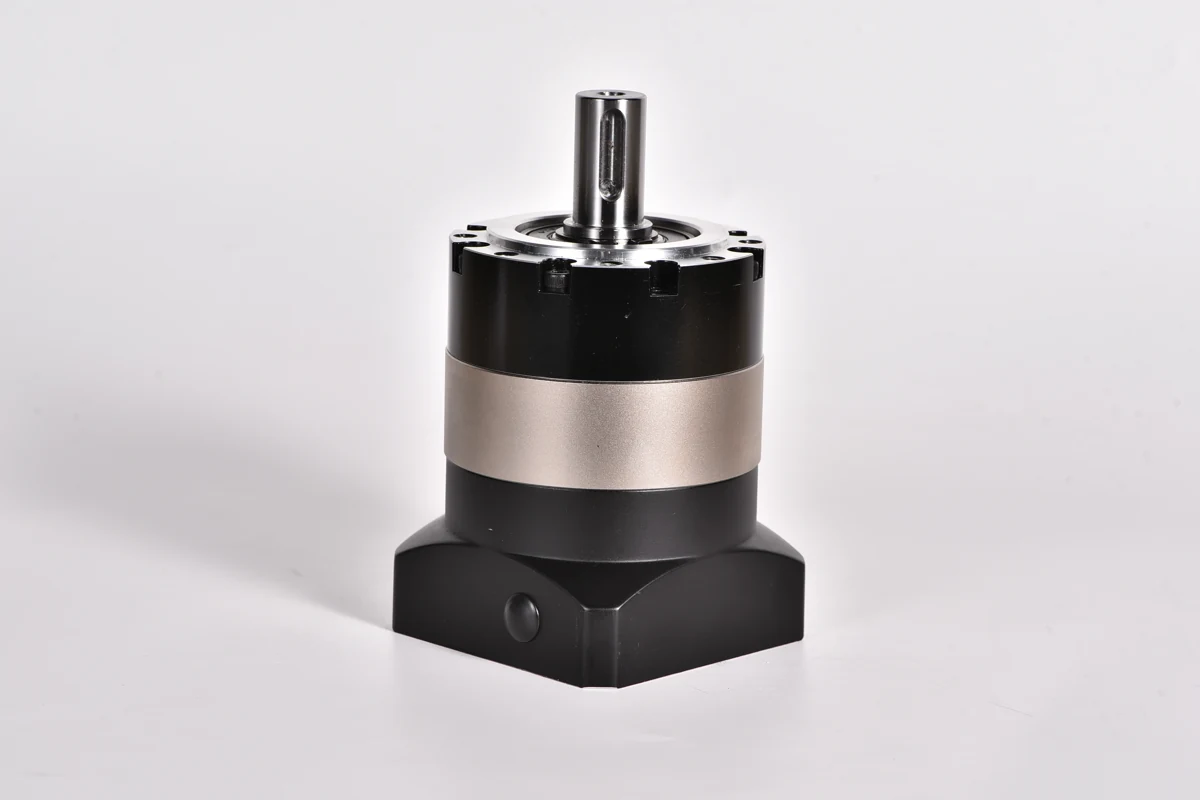
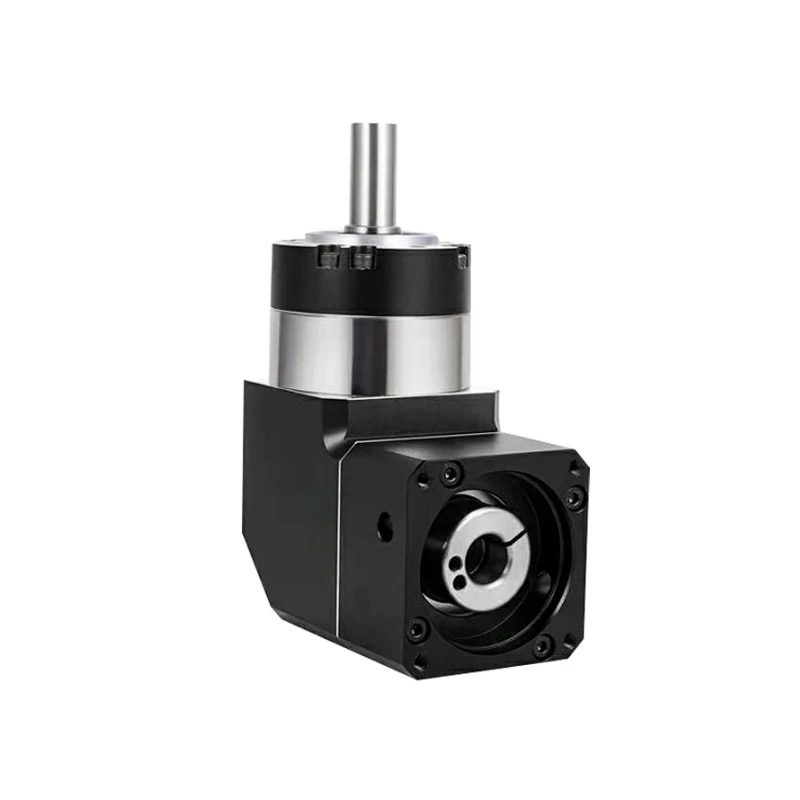
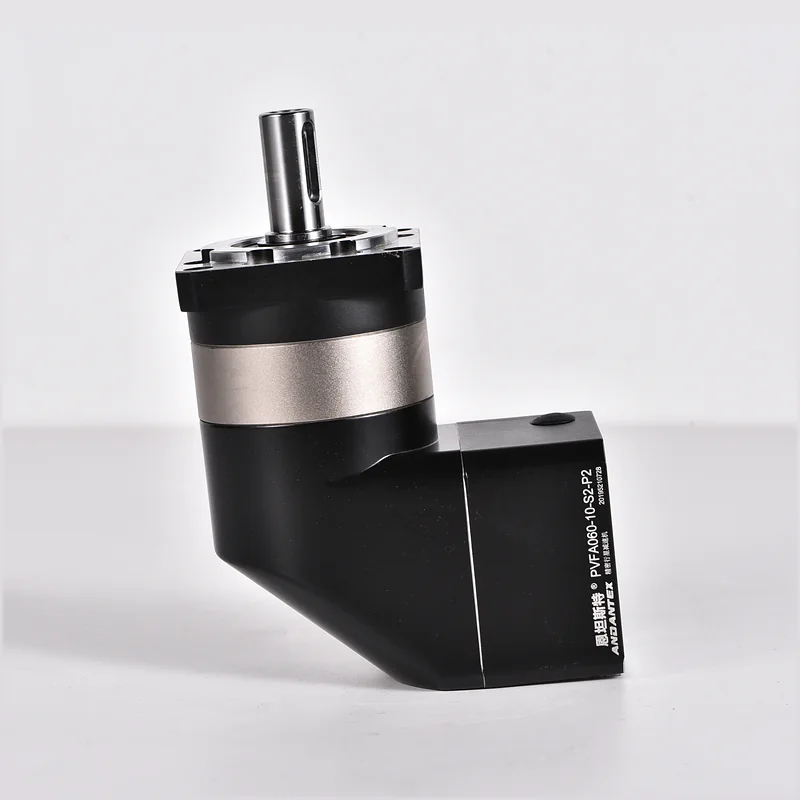
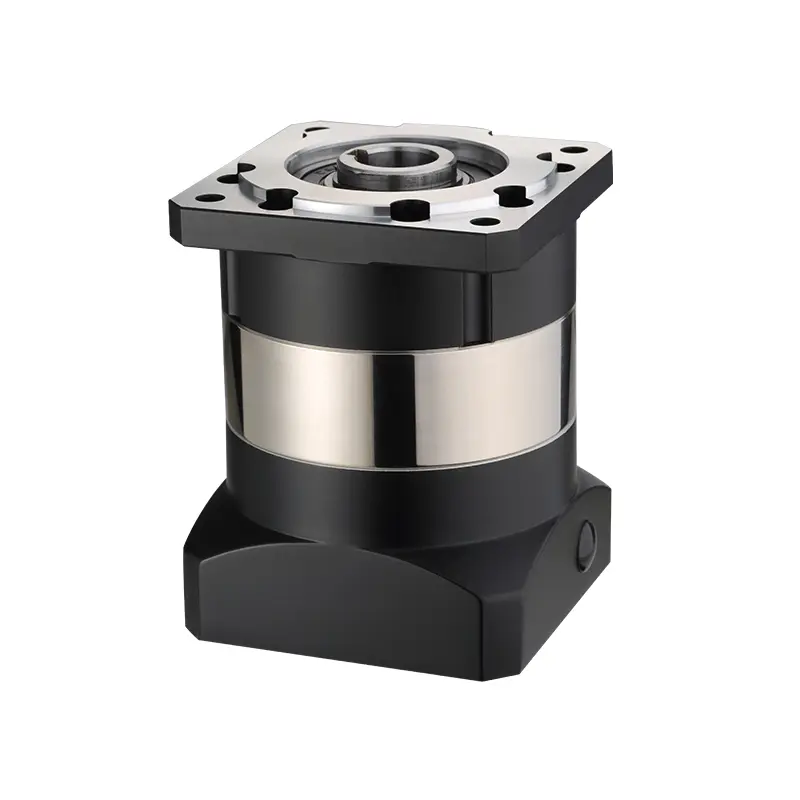
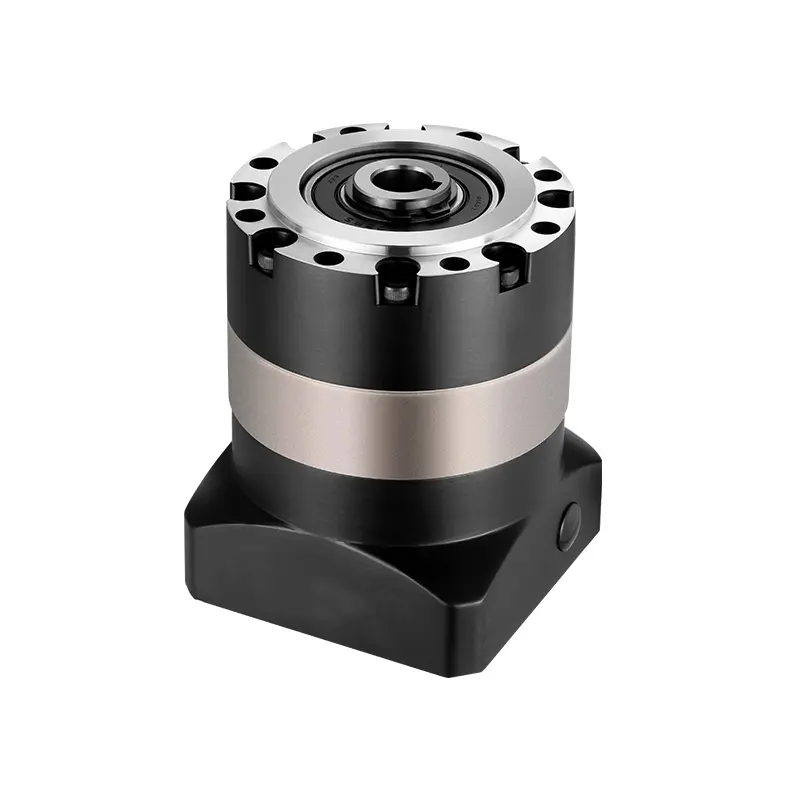
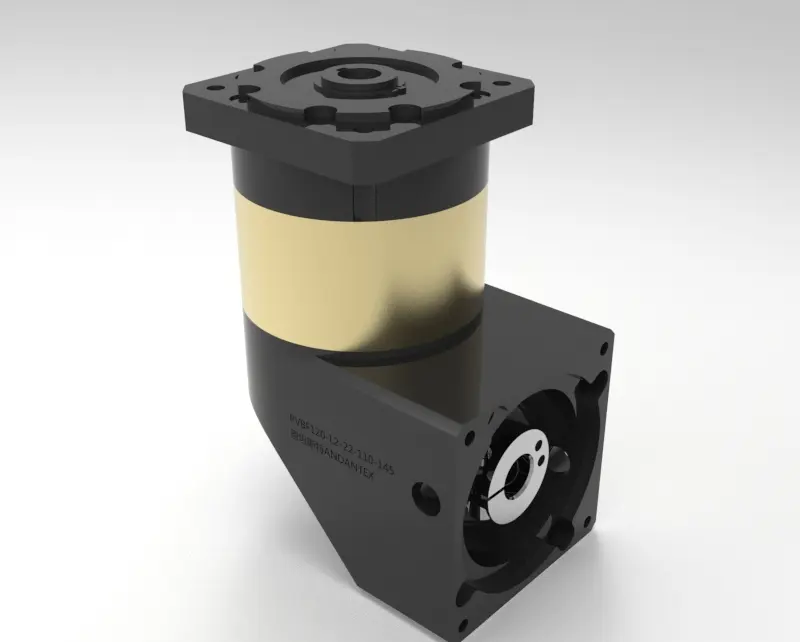
A helical planetary gearbox can be a useful option when smooth running and noise matter, while a spur planetary gearbox may suit an axis whose requirements can be met with a simpler gear arrangement. The decision should compare complete gearbox specifications at the required ratio and frame size. Tooth form alone does not establish torque capacity, backlash or positioning accuracy.
What changes between helical and spur teeth?
Spur teeth run parallel to the gear axis. Helical teeth are inclined, allowing a more gradual engagement. KHK's helical gear guidance explains that a higher contact ratio can help reduce noise and vibration. Helical gearing also generates an axial force component that must be accommodated by the gearbox design. These are gear principles, not a guarantee that every helical gearbox outperforms every spur gearbox.
| Selection factor | What to compare |
|---|---|
| Noise and smooth running | Measured noise under comparable speed, load, mounting and measurement conditions |
| Positioning | Backlash, torsional stiffness, transmission error and the complete axis error budget |
| Torque and service duty | Rated and recurring peak torque for the exact ratio and operating cycle |
| Output bearing loads | Permitted radial force, axial force and tilting moment at the actual load position |
| Installation | Motor interface, output connection, envelope and mounting method |
Do not equate helical gearing with low backlash
Backlash is the clearance revealed when direction reverses; torsional deflection is movement under applied torque. An axis can have a low gearbox backlash specification and still miss its positioning target because of shaft twist, coupling compliance, rack clearance, structural deflection or control behavior. Compare the stated measurement method and the operating load, not just an arcminute value.
For a reversing index axis, first allocate the permitted error across the gearbox and downstream components. Then use the low backlash and positioning accuracy guide to identify which remaining errors need a separate check.
Choose the comparison around the machine duty
- Continuously running transfer axis: compare speed limits, temperature rise, noise and the actual radial load from the pulley or pinion.
- Frequent reversing axis: review recurring acceleration torque, backlash, stiffness and the number of load reversals.
- Space-limited servo axis: check the complete motor-plus-gearbox envelope before selecting inline or right-angle construction.
- Direct flange-mounted load: confirm the output interface and bearing support instead of assuming a shaft-output and flange-output unit have equivalent load limits.
ANDANTEX families to compare
The PLF family provides a square-flange spur arrangement; the PLE family uses a round-flange spur arrangement. The PAG family is a square-flange helical planetary option. These are starting points for a model comparison, not interchangeable packages.
Where a disc-flange output is needed, review the PLX output arrangement against the load connection. Use the model's dimensional drawing and specification table to verify the selected ratio, allowable forces and motor fit. Do not carry a rating from one series or frame size into another.
A practical enquiry example
For an illustrative reversing conveyor axis, send the pulley diameter, belt forces, requested output speed, acceleration time and required stopping repeatability. Ask for a spur and helical comparison only if both can satisfy that operating point. Compare the complete installed solution, including any external bearing support, rather than treating the lowest noise figure or lowest initial price as the whole decision.
Frequently asked questions
Is a helical planetary gearbox always more accurate?
No. Use the specified backlash and stiffness together with the machine's error budget. Tooth geometry is not a substitute for these data.
Can I exchange a spur gearbox for a helical unit of the same size?
Only after checking dimensions, ratio, input coupling, output connection and load ratings. A similar frame designation does not confirm fit.
Request a gearbox comparison with the motor model, load cycle and installation drawing.
Technical references: KHK helical gear guidance and KHK helical gear technical notes. Component gear guidance does not specify ANDANTEX gearbox performance.
Leave a Technical Question