 PRECISION DRIVE
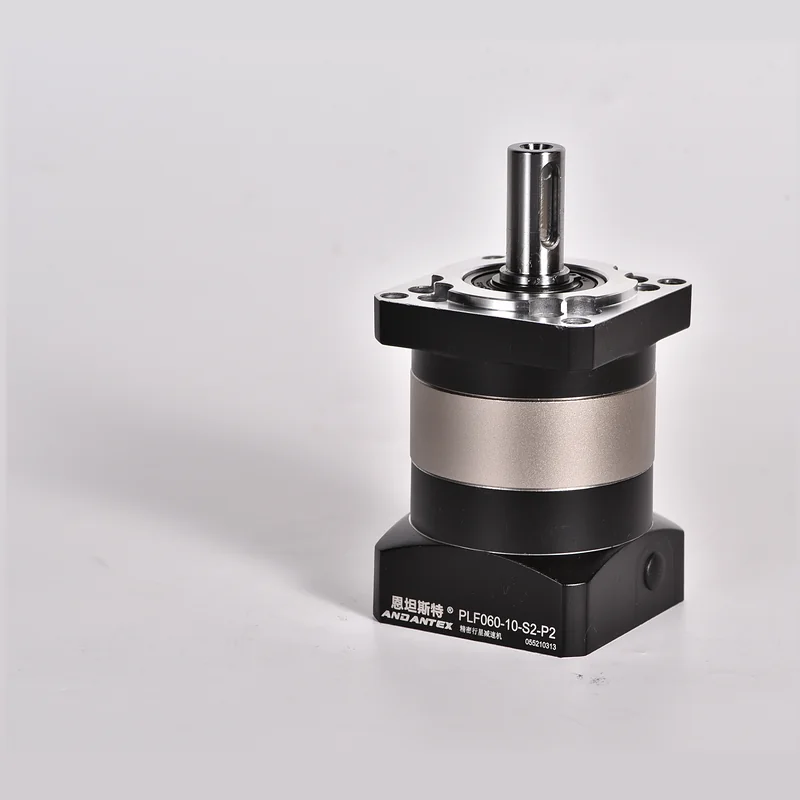
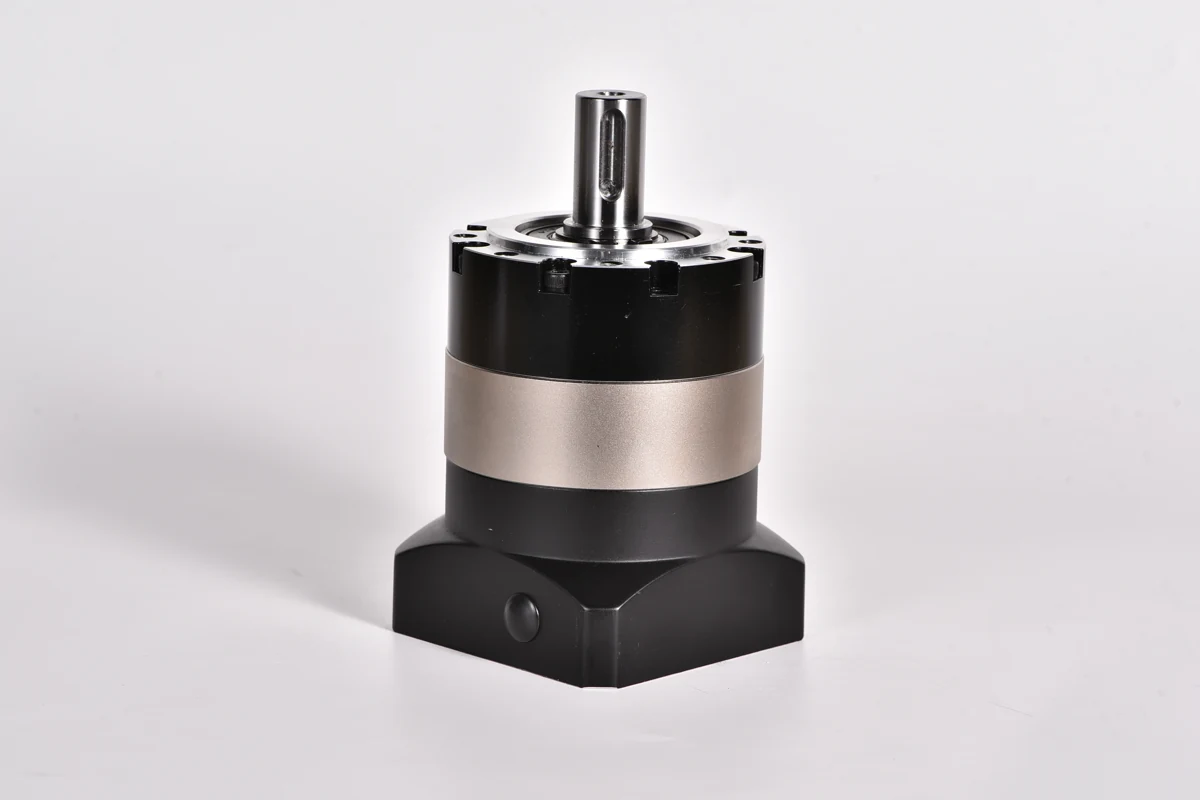
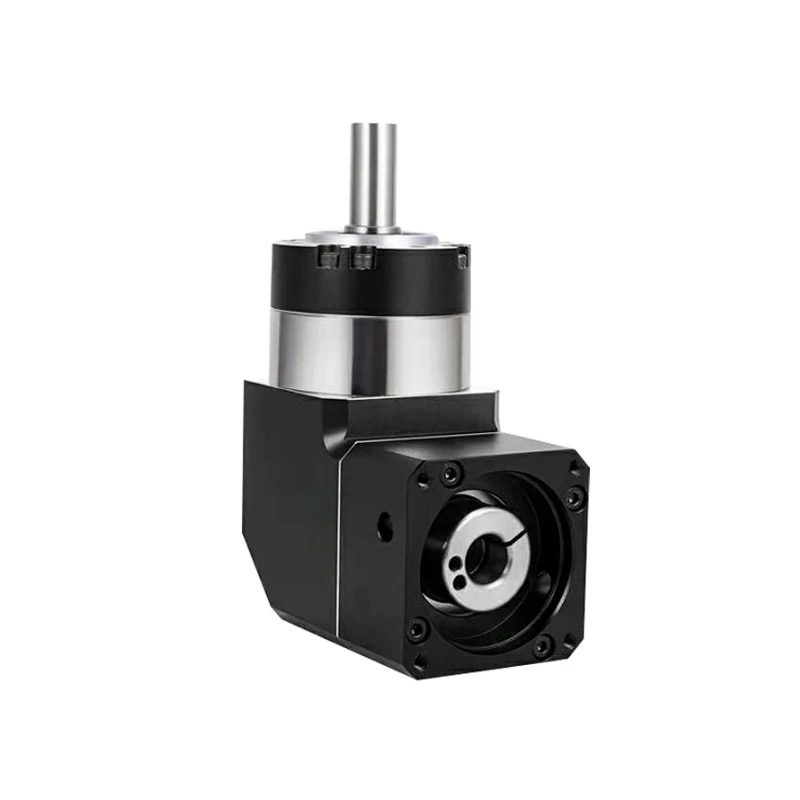
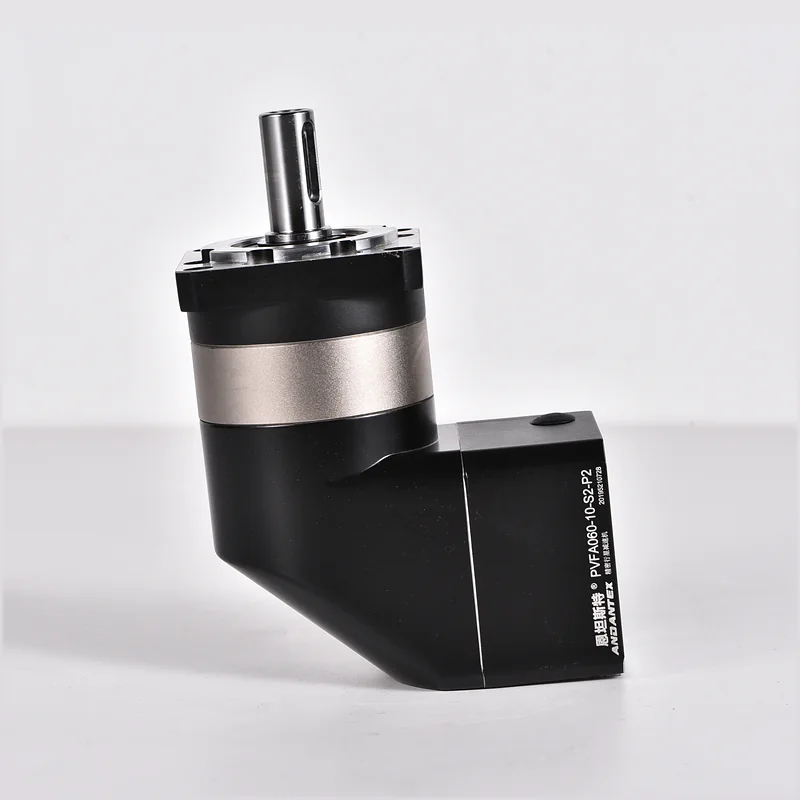
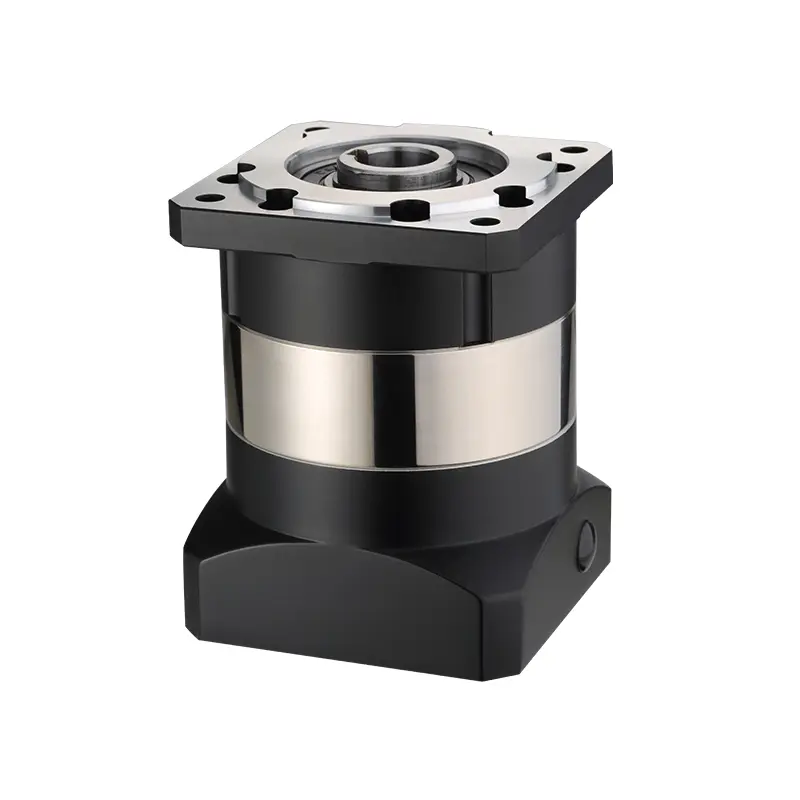
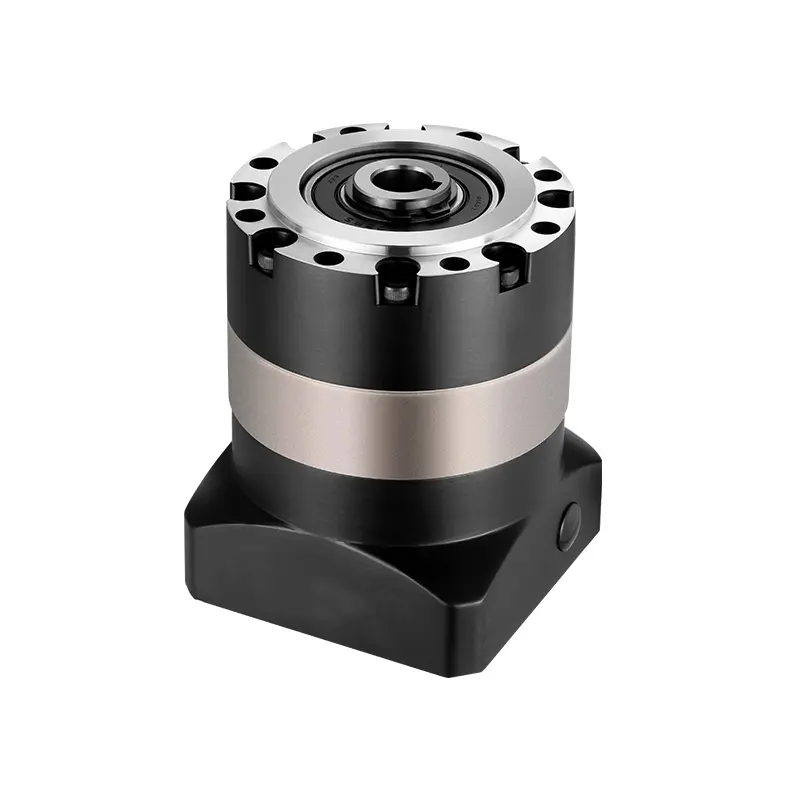
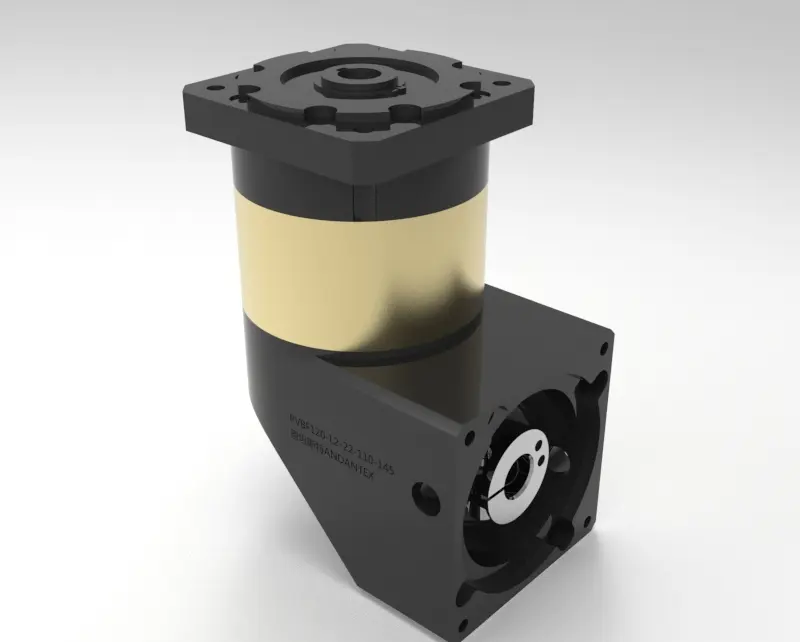
Selecting a high-speed planetary gearbox starts with the speed at the gearbox input, not just the motor's headline maximum speed. Calculate the motor speed required by the output motion, then compare it with the selected gearbox's continuous and maximum input-speed limits. Review the torque cycle, installation and thermal conditions at the same time.
Calculate speed before choosing a reduction ratio
For a reduction ratio i = input speed / output speed, the required input speed is nin = i × nout. A larger reduction ratio raises the input speed needed to maintain the same output speed. It therefore cannot be selected only for its torque multiplication.
For example, an illustrative axis requiring 400 rpm at the output needs 2,000 rpm at the input with a 5:1 ratio, or 4,000 rpm with a 10:1 ratio. Neither operating point is automatically approved: the motor torque-speed curve, gearbox ratings and duty cycle must also support it. These figures are a calculation example, not an ANDANTEX product rating.
See the reduction ratio and gearbox stage guide for the relationship between ratio and stage selection.
Separate continuous speed from a maximum limit
Manufacturer specifications can distinguish continuous input speed from maximum mechanical input speed. A short-duration mechanical limit should not be treated as permission to run continuously at that speed. Confirm the definition, allowed duration and operating conditions with the manufacturer of the selected model.
| Data to check | Question to resolve |
|---|---|
| Continuous input speed | Does it cover the actual running period and installation conditions? |
| Maximum input speed | How long and how often may this speed occur? |
| Rated and peak torque | Are the steady load and recurring acceleration peaks within the applicable limits? |
| Thermal conditions | What ambient temperature, mounting and cooling assumptions apply? |
| Lubrication and orientation | Is the intended installation approved for the selected gearbox? |
Submit a speed-and-torque cycle
A single rpm value hides what happens during production. Provide the acceleration time, running time, deceleration time and dwell, together with torque and speed for each phase. Identify reversals and emergency stops separately. Include cycles per minute and daily operating hours so that a brief high-speed move is not mistaken for continuous operation.
For a servo axis, check motor torque available at the required speed rather than using only nominal motor power. Include the inertia of the load and transmission components. If the gearbox drives a belt or pinion, describe the radial load and its distance from the output bearing reference face.
Check temperature under representative conditions
Agree an operating trial that represents the intended cycle, ambient temperature and machine enclosure. Record input speed, load, case measurement location and temperature over time. Compare the result with the supplier's approved limits and measurement procedure. A warm housing alone does not establish either a defect or acceptable operation.
If temperature increases after a change in cycle or installation, use the gearbox temperature-rise checklist. Review alignment, loading and operating conditions before assuming that a larger frame or a different lubricant is the answer.
Where to start with ANDANTEX
Use the servo planetary gearbox selection guide to compare suitable families and output arrangements. Then request the continuous and maximum input-speed limits for the exact model, ratio and installation. A series name or a motor's maximum rpm is not confirmation of high-speed suitability.
Frequently asked questions
Will a higher ratio always solve a torque shortfall?
No. It also changes required motor speed, reflected inertia and the operating point. Check the complete speed-and-torque envelope and the gearbox's output limits.
Can a low-load gearbox run above its maximum input speed?
Do not assume so. Mechanical speed limits can apply independently of output torque. Obtain approval for the exact operating conditions.
Send a high-speed selection enquiry with the required output motion, motor data, cycle timing and ambient conditions.
Reference for rating terminology: Neugart PLE technical data distinguishes continuous and maximum mechanical input speeds. Its numerical ratings apply only to its own products.
Leave a Technical Question