 PRECISION DRIVE
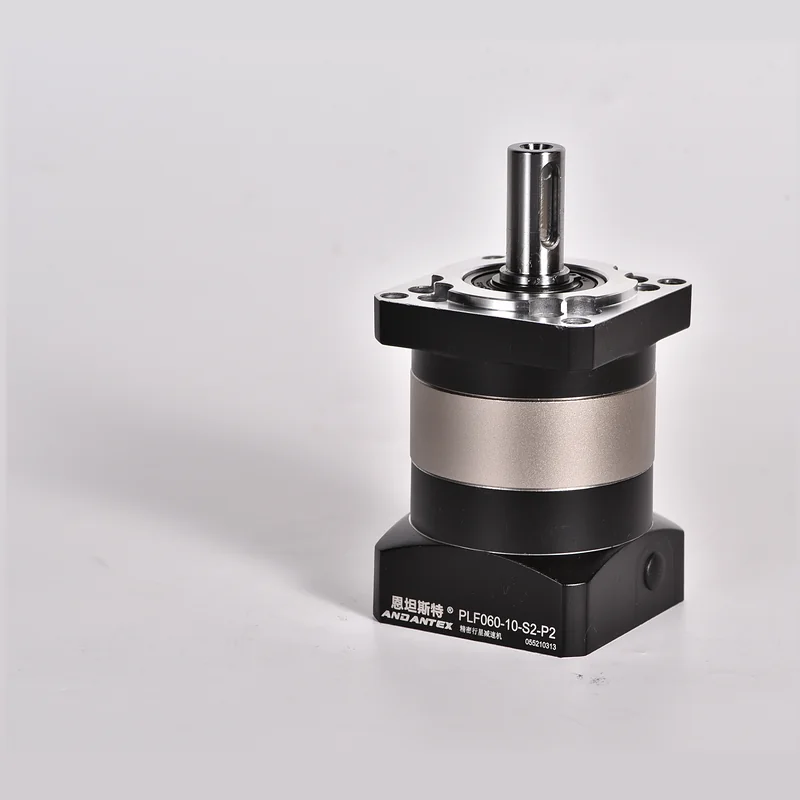
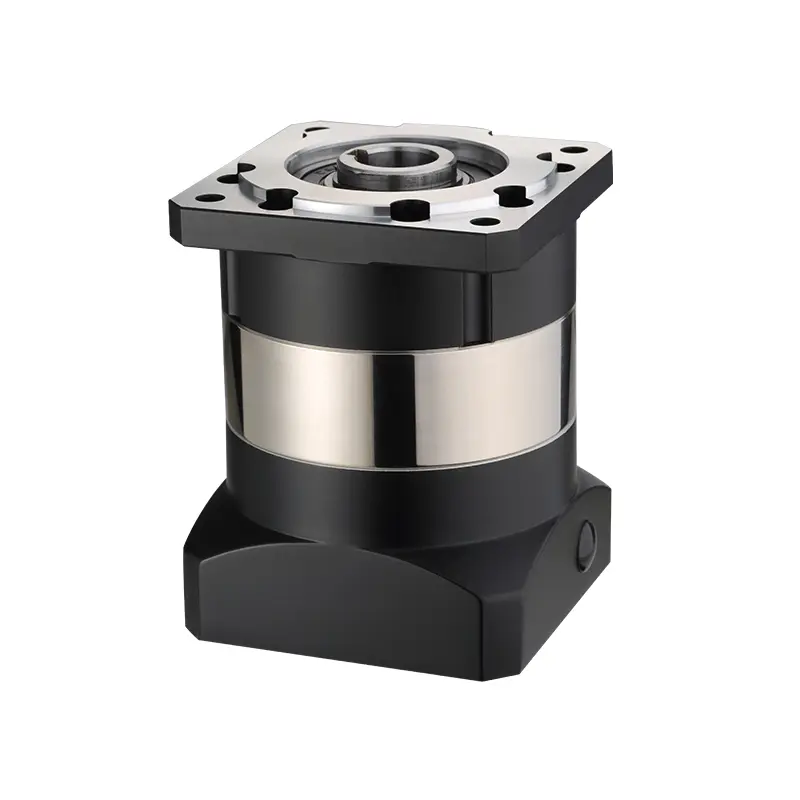
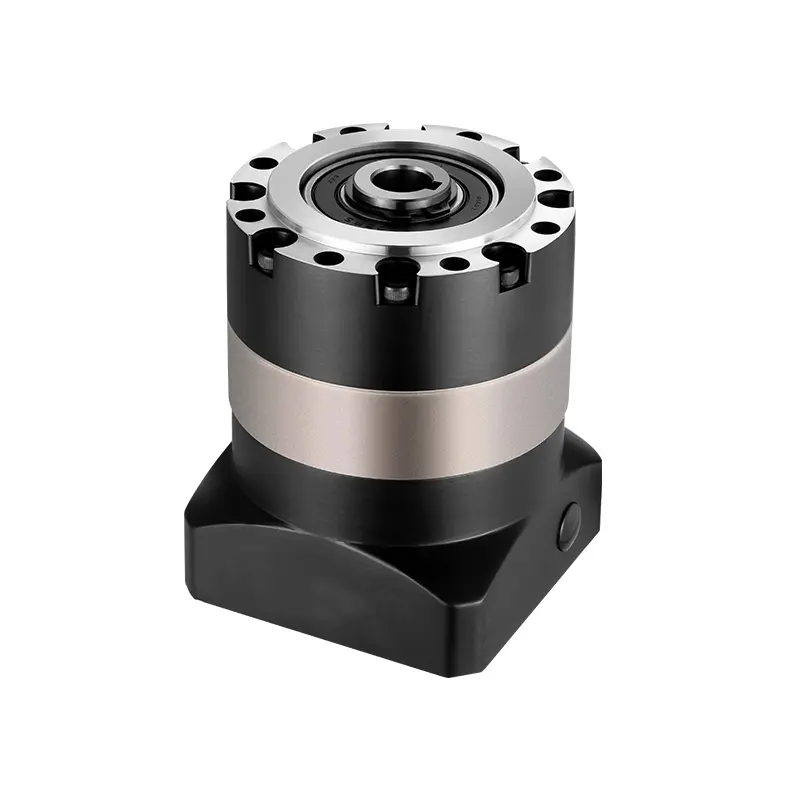
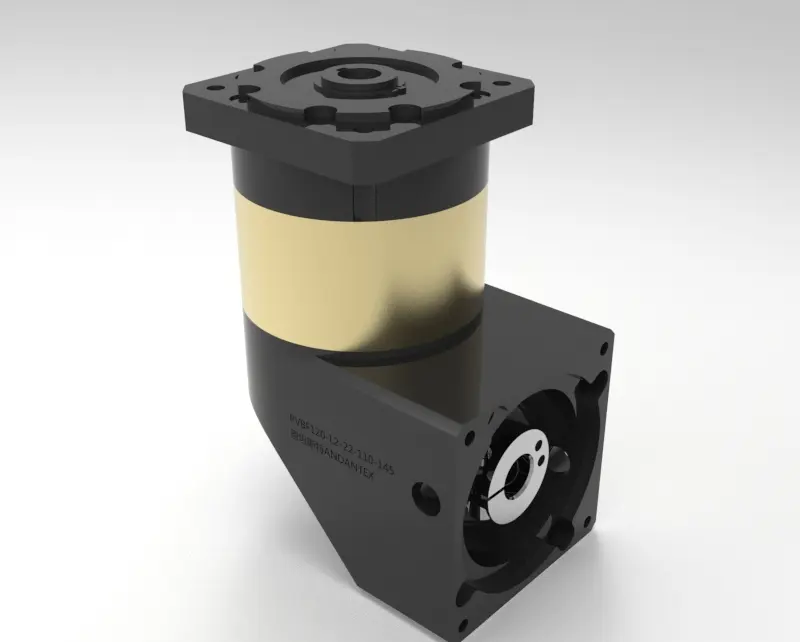
You must check both input speed ratings, because each protects a different failure boundary in your servo motion profile: Maximum Input Speed (n1B) is the mechanical burst ceiling that your 6,000 rpm acceleration and slewing peaks must never exceed, while Rated Continuous Input Speed (n1N) is the thermal limit that your time-averaged cycle speed (and any continuous running above 15–20 minutes) must stay below to prevent synthetic grease breakdown and housing overheating above 90 °C.
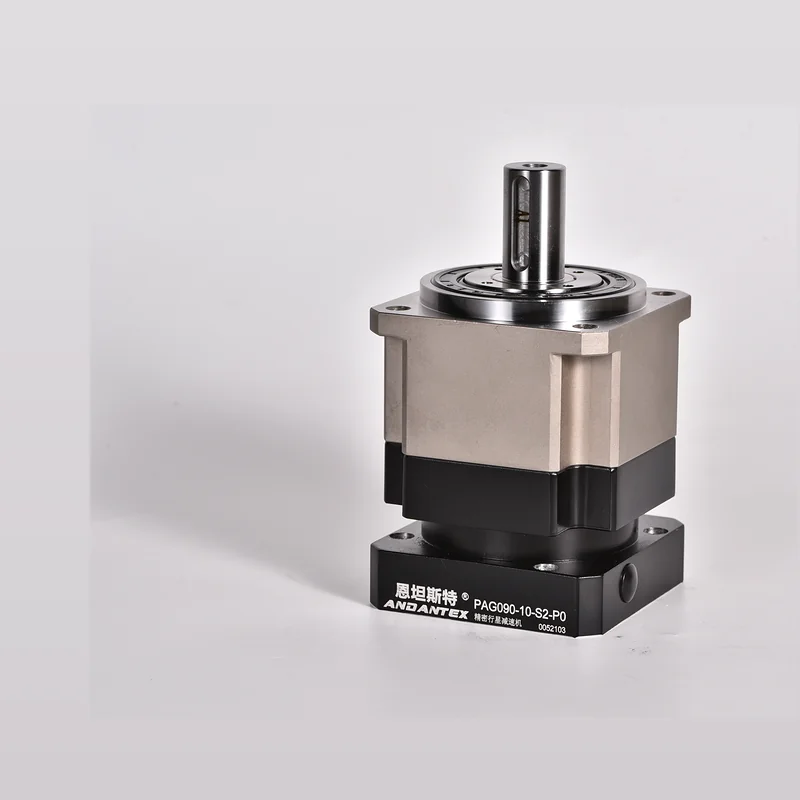
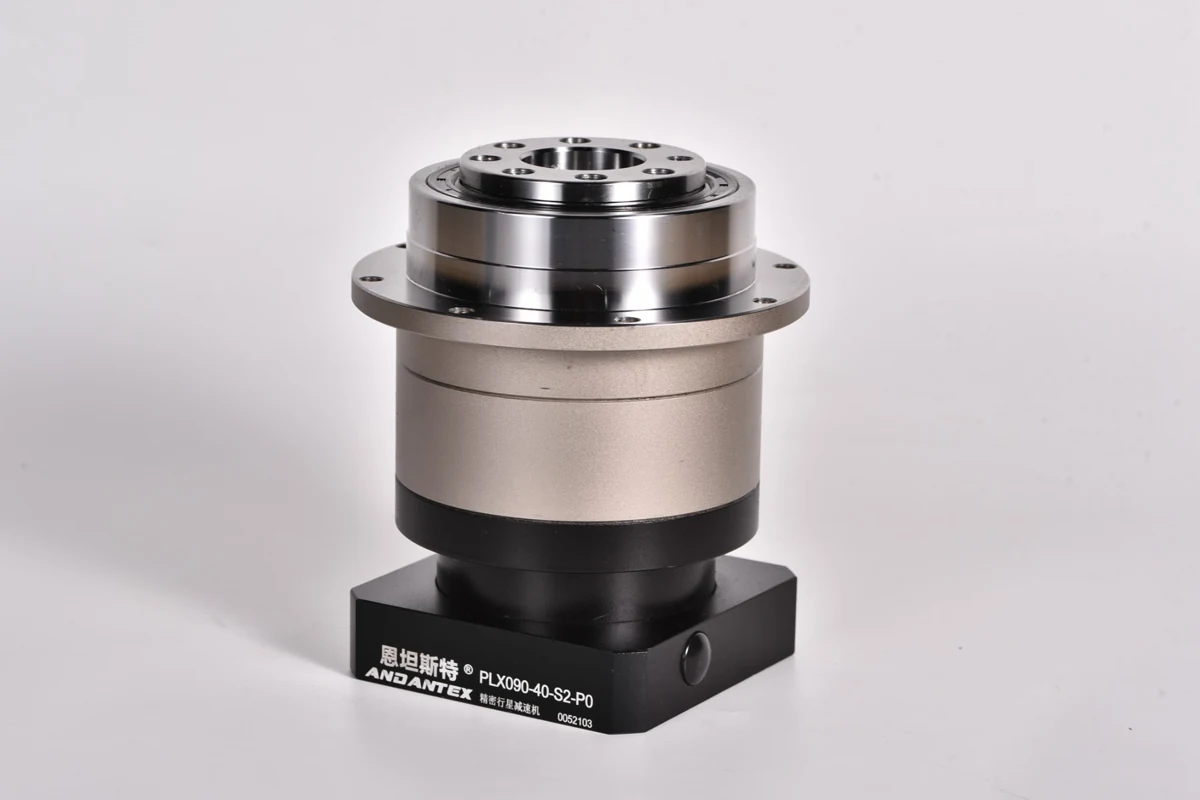
1. What Rated Input Speed (n1N) vs. Max Input Speed (n1B) Actually Govern
As explained in our Gearbox Temperature Rise Knowledge Guide and High-Speed Planetary Gearbox Guide, choosing solely by n1B cooks lip seals on continuous conveyors, while choosing solely by n1N wastes money oversizing fast pick-and-place axes:
| Rating Symbol | ANDANTEX Published Benchmark | Engineering Limit Protected | Which Part of a 6,000 RPM Profile Uses It? |
|---|---|---|---|
n1N Rated Input Speed (Continuous S1 / RMS) | PLF080 / PLF090 / PLX090: 3,500 rpmPAG040 / PAG060 / PLF060: 4,000 rpmPLF040: 4,500 rpm | Grease churning drag, Viton/NBR lip-seal friction heat, housing equilibrium under 90 °C | Cycle-averaged speed (RMS / duty-weighted RPM) and any unbroken constant run lasting > 15 min |
n1B Max Input Speed (Peak / Cyclic S5) | PLF080 / PLF090 / PLX090: 6,000 rpmPAG040 / PAG060 / PAG090 / PLF040 / PLF060: 8,000 rpm | Needle/planet bearing cage centrifugal stress, clamping collar unbalance, brief peak seal surface velocity | Short peak acceleration, rapid return stroke, or cam bursts under S5 cyclic duty (< 60% duty cycle) |
2. Concrete 6,000 RPM Cycle Check: Safe S5 Burst vs. Unsafe S1 Overheating
Suppose your 750 W servo runs a packaging indexer with a PLF090-10 (n1N = 3,500 rpm, n1B = 6,000 rpm):
- Safe S5 Cyclic Profile: Motor ramps
0.15 sup to6,000 rpmfor0.20 s, decelerates0.15 s, and dwells0.50 sfor sealing/inspection. Peak speed hits6,000 rpm ≤ n1B, while time-averaged RMS input speed is roughly~2,650 rpm ≤ n1N (3,500 rpm)—completely safe for PLF090 or 19-70-90 750 W servo drives. - Borderline / Overheating Profile: A continuous web feeder or spindle running
5,200–6,000 rpmcontinuously for 8 hours sits far aboven1N = 3,500–4,000 rpm. Even if6,000 ≤ n1B, grease channels and overheats seals within hours—unless you drop gear ratio (e.g.,5:1instead of10:1) so the motor only needs2,500–3,000 rpmfor the same machine output speed, or step to a helical PAG060 / PAG090 (8,000 rpmmax ceiling).
3. Four Steps to Size a High-RPM Servo Gearbox Safely
- Check Peak RPM Against
n1B: Never run right at100%ofn1Bwithout margin; if your drive overshoots slightly during tuning to6,200 rpm, pick an8,000 rpmmax series likePAG090orPAG060. - Calculate Cycle RMS Speed Against
n1N: Keep weighted motion speed belown1N—just as we separate continuousT2Nfrom cyclic peakT2Bin our Rated vs. Peak Torque Guide. - Watch Ratio Trade-Offs (
10:1at 6,000 RPM vs.5:1at 3,000 RPM): Lowering gear ratio halves input RPM, slashes heat, and often cuts cost while meeting the exact same linear velocity—unless inertia matching demands10:1. - Verify Both Thermal Duty & Torque Margin With Engineering: Submit your
T_cycle, dwell time, and peak RPM to our Engineering RFQ Desk before retrofitting a fast axis or executing a stepper-to-servo upgrade.
Frequently Asked Questions (FAQ)
Q1: How many seconds can a planetary gearbox stay at 6,000 rpm?
In typical S5 servo indexing cycles, short ramp bursts of a fraction of a second to a few seconds per cycle are standard as long as cycle duty stays under ~60% and housing skin temperature remains below 75–85 °C in steady operation.
Q2: Does a single-stage (L1) gearbox run cooler at 6,000 rpm than a two-stage (L2) gearbox?
Yes, L1 single-stage (3:1–10:1) runs roughly 95% efficient vs. 90–92% for L2, generating noticeably less parasitic friction heat at high motor speeds.
Q3: Is 6,000 rpm safe on a smooth keyless motor shaft?
Yes—balanced clamping collars used across PAG / PLF / PLX are specifically made for high-RPM keyless servo shafts, provided you avoid loose shims and strictly degrease the shaft first (read clamping torque checklist).