 PRECISION DRIVE
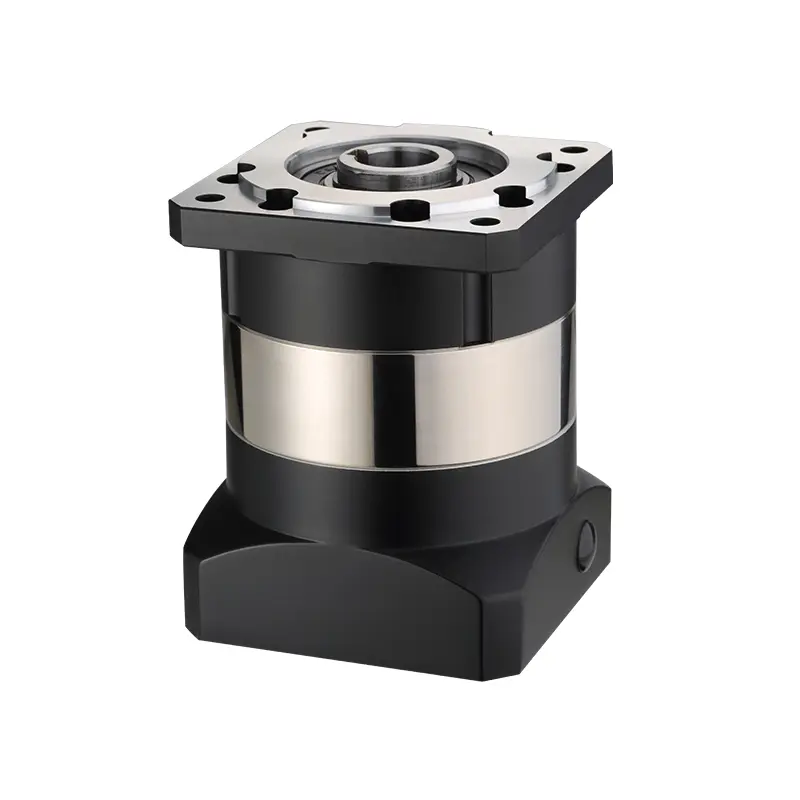
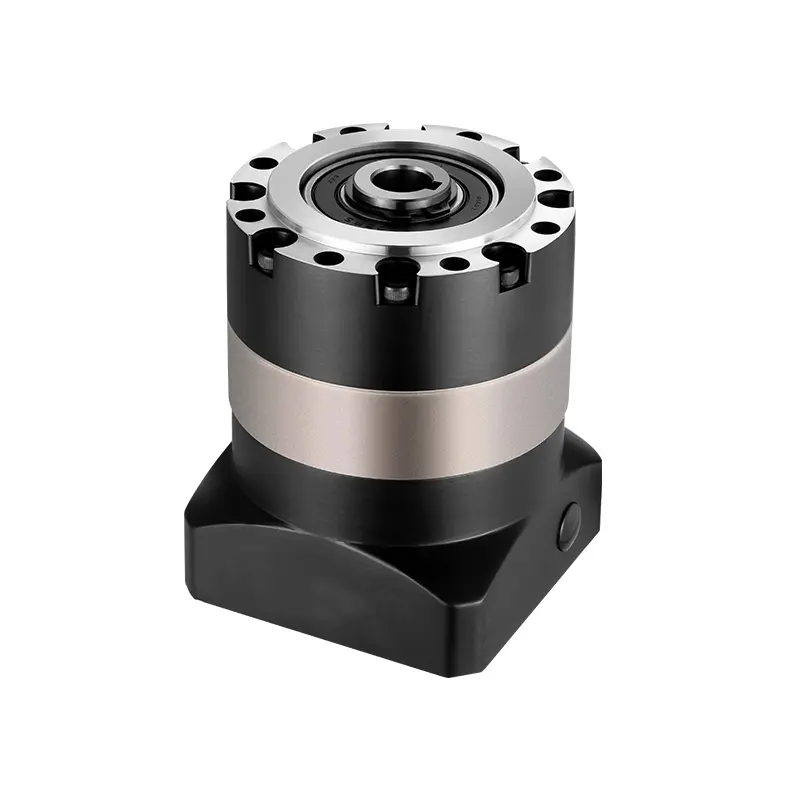
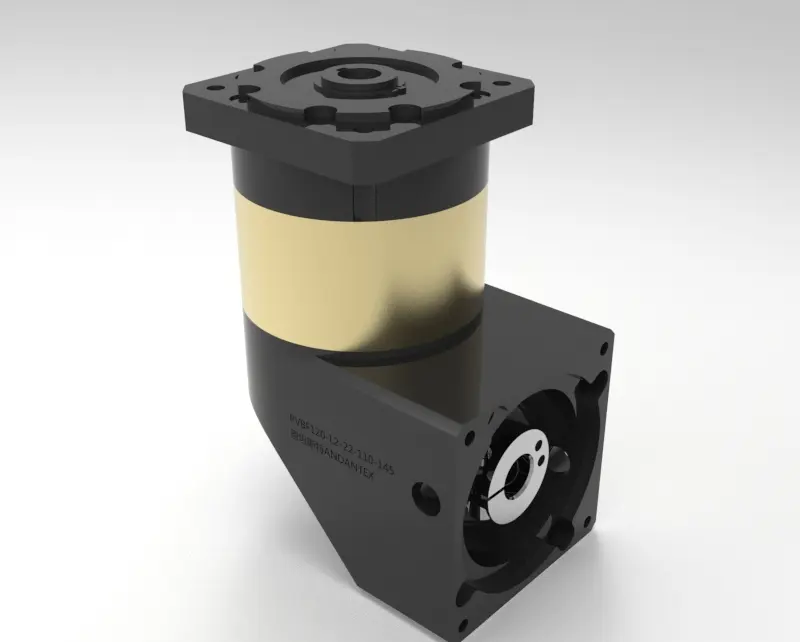
Rated torque and peak torque answer different selection questions. Rated output torque describes the gearbox load capability under the specified operating conditions. Peak torque covers a higher, limited-duration load. An emergency-stop rating, when provided, is a separate exceptional-event limit. A low average load does not make every acceleration or stopping peak acceptable.
Which torque rating should you compare?
| Operating condition | Rating to check | Information needed |
|---|---|---|
| Steady running | Rated or nominal output torque | Working torque, speed, operating hours and thermal conditions |
| Repeated acceleration, braking or reversing | Permitted cyclic or acceleration torque | Peak magnitude, duration and repetitions per cycle |
| Exceptional stop | Emergency-stop torque, if specified | Stop profile and permitted number of events |
Manufacturers can use different names and reference conditions. Read the definition beside the selected model's rating. A maximum torque value without a duration or cycle condition is not enough to approve repeated operation.
Keep motor torque and gearbox output torque separate
For a motor driving a reduction gearbox, a preliminary estimate is output torque = input torque × reduction ratio × efficiency. Express efficiency as a decimal. With an illustrative input of 3 Nm, a 10:1 ratio and 94% efficiency, the estimated transmitted output torque is 28.2 Nm. These are calculation inputs, not ratings for an ANDANTEX model.
The result describes torque transmitted through the ratio; it does not establish the gearbox's allowable load. Check it against the rating for the exact frame size, ratio, stage and operating cycle. Likewise, multiplying the motor's peak torque does not prove that the gearbox can withstand that output.
Example: a packaging axis with repeated peaks
Suppose a machine needs 18 Nm during steady motion and reaches 42 Nm for 0.2 seconds during each two-second cycle. The 18 Nm running value alone cannot qualify the gearbox. Record the full torque and speed sequence, including braking and dwell, then check the repeated 42 Nm event against the manufacturer's cyclic-load conditions and life calculation.
Reducing acceleration time generally increases the torque needed to accelerate the same inertia. Review the motion profile before choosing a larger motor. For a practical application checklist, see packaging cross-sealing gearbox selection.
What to send for a torque review
- Motor model, rated and peak torque, and operating speed.
- Required output speed and the proposed gearbox ratio.
- Torque, speed and duration for each part of the machine cycle.
- Starts, stops and reversals per hour, plus daily operating hours.
- Load inertia, radial and axial forces, load offset and installation drawing.
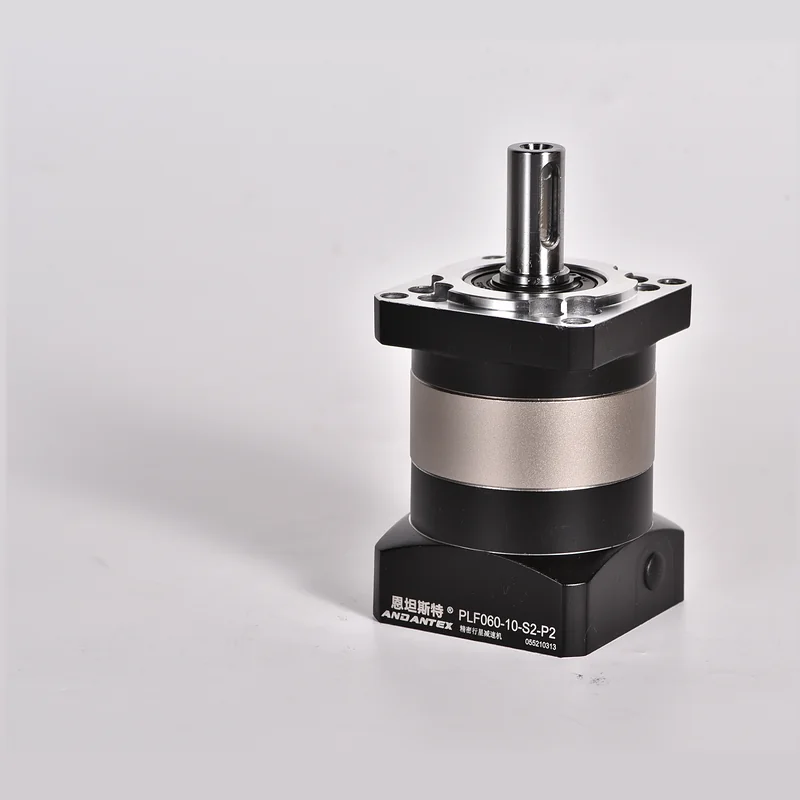
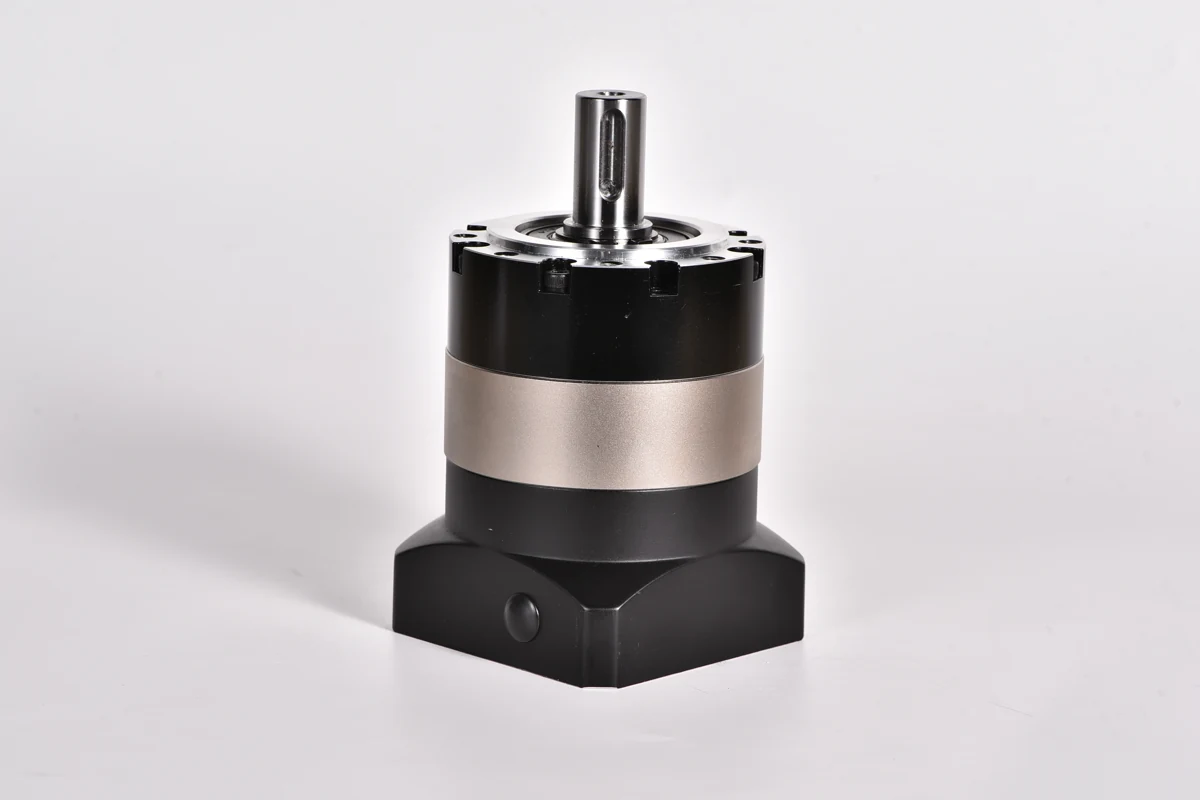
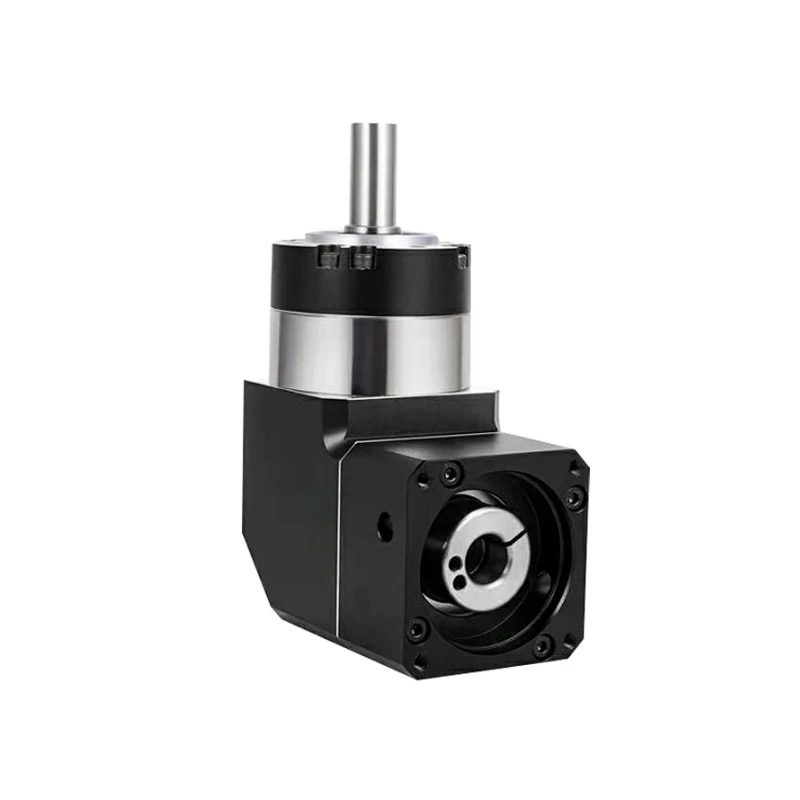
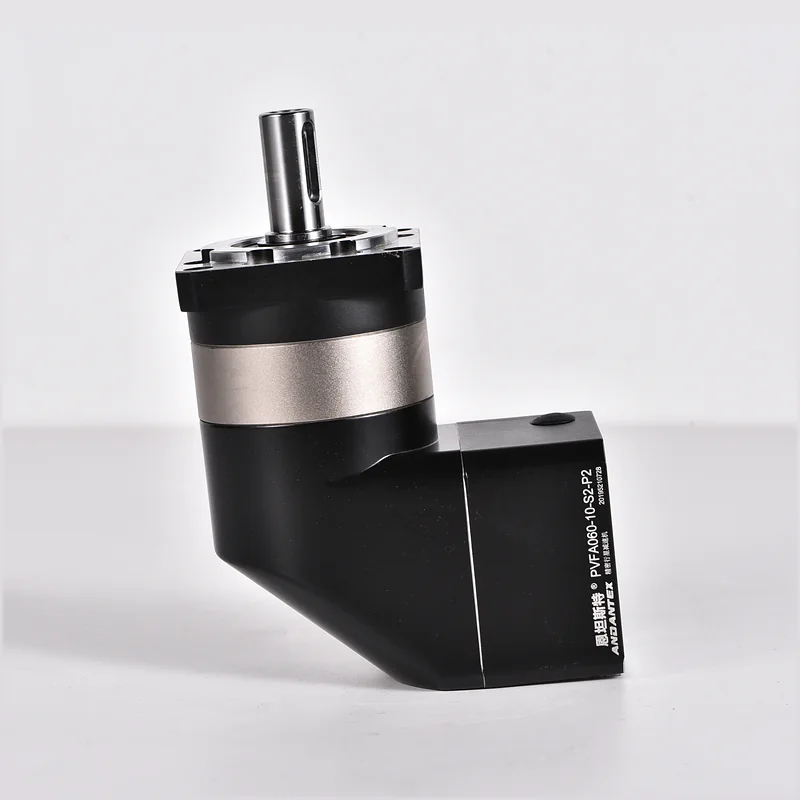
Use the PLF series or precision planetary gearbox range to shortlist configurations. Then request a review of the exact model and duty cycle. Motor power, a frame-size name or a single peak-torque number is not a complete selection.
Can peak torque be used continuously?
No. Use the applicable continuous-duty rating and thermal conditions for continuous operation. A brief overload allowance cannot be treated as a continuous rating or an unrestricted repeated-cycle rating.
Leave a Technical Question