 PRECISION DRIVE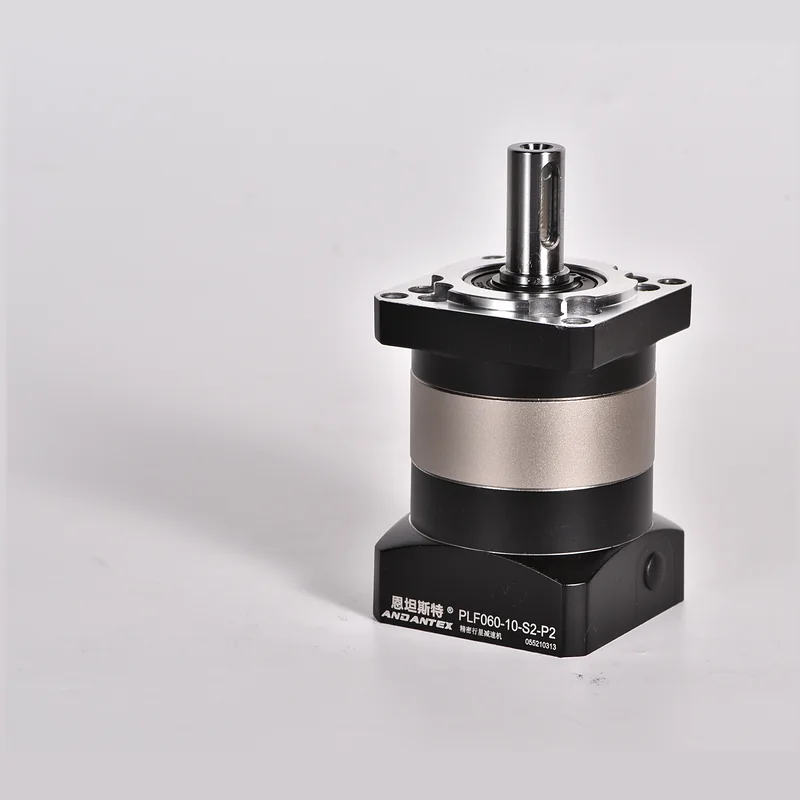
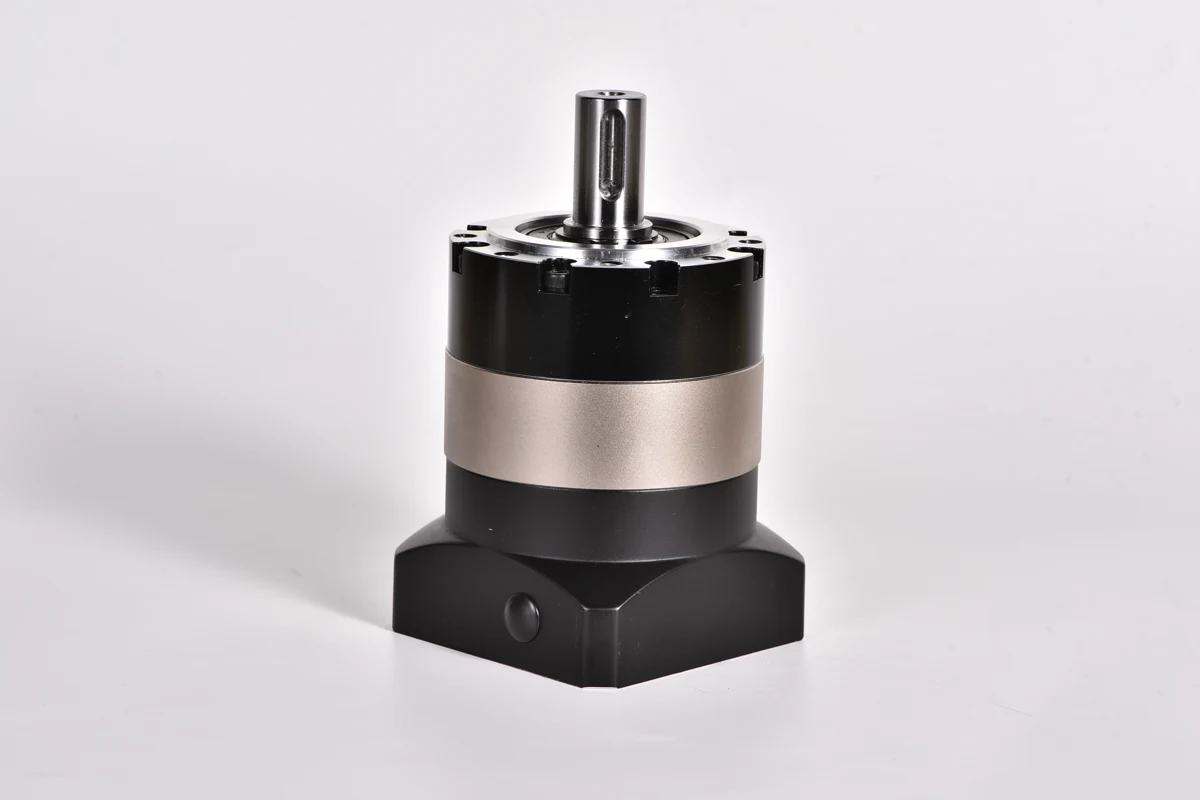
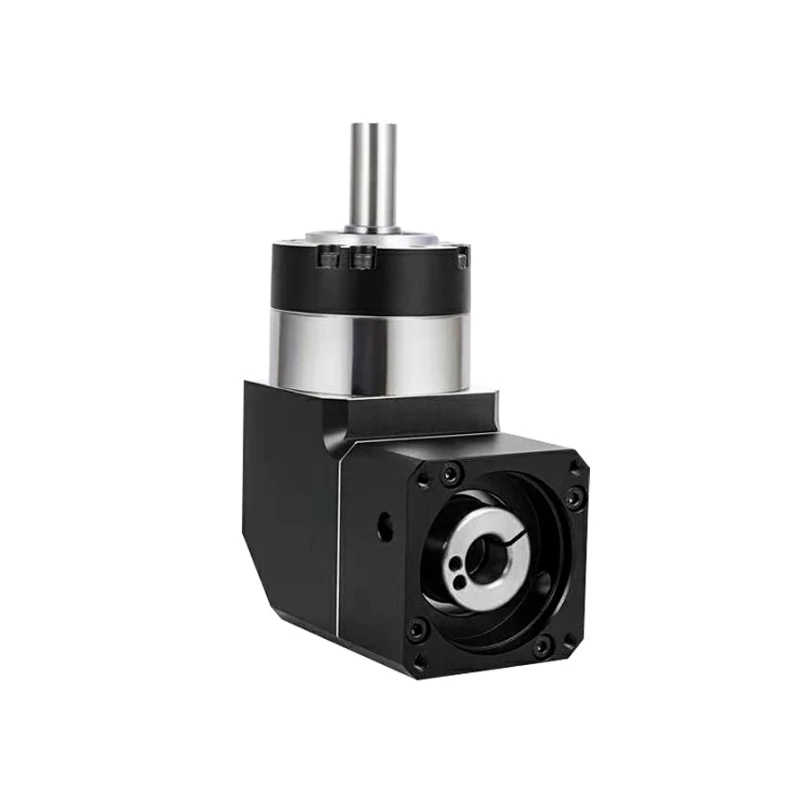
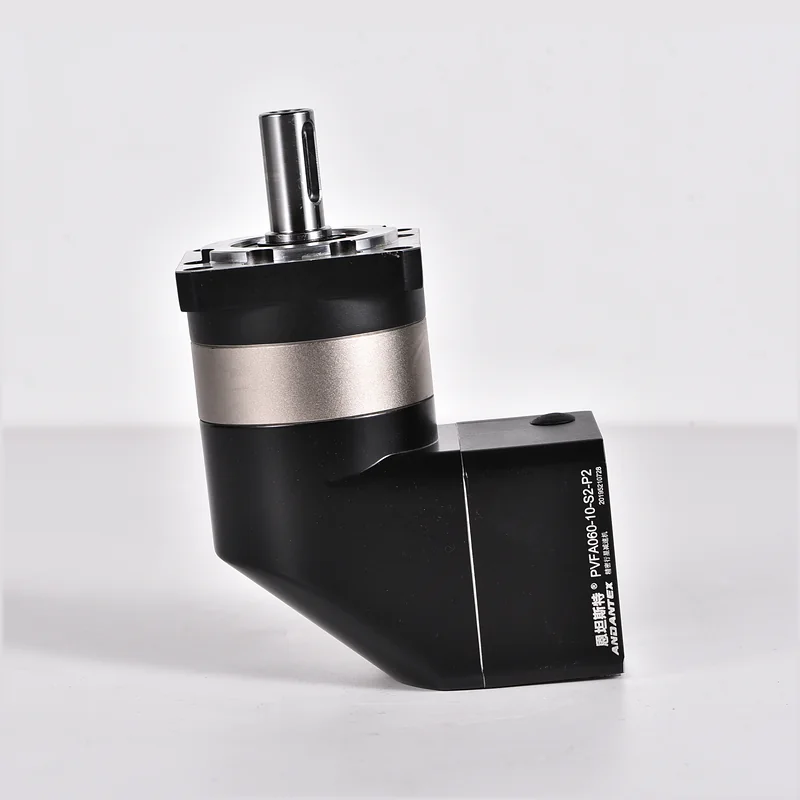
A planetary gearbox reduction ratio compares input speed with output speed. A 10:1 reducer turns its output once for every ten input revolutions. The right ratio must satisfy output speed, torque and the complete motion cycle.
How to calculate reduction ratio
Ratio i = input speed / output speed. Therefore, output speed = input speed / i. At a motor speed of 3,000 rpm, a 5:1 reducer gives 600 rpm and a 10:1 reducer gives 300 rpm. These are calculated speeds, not a statement that every gearbox is rated for continuous operation at 3,000 rpm.
| Input speed | Reduction ratio | Calculated output speed |
|---|---|---|
| 3,000 rpm | 5:1 | 600 rpm |
| 3,000 rpm | 10:1 | 300 rpm |
| 3,000 rpm | 20:1 | 150 rpm |
What do L1 and L2 mean?
In ANDANTEX planetary gearbox ordering codes, L1 and L2 identify one-stage and two-stage reduction arrangements. Common L1 options include 3, 4, 5, 7 and 10. Common L2 options include 12, 15, 20, 25, 30, 35, 40, 50, 70, 80, 90 and 100. Availability depends on the series and frame size; confirm the selected combination against its current drawing and specification.
Reading a PLF model code
In the example PLF060-10-S2-P2, PLF identifies the standard planetary gearbox family, 060 identifies its frame designation, and 10 specifies the reduction ratio. S2 and P2 are output configuration and precision designations. Confirm their dimensions and backlash limits in the specification for the exact ordered unit.
How ratio affects torque and inertia
For an initial estimate, output torque is approximately motor torque multiplied by ratio and gearbox efficiency. For example, 1 N·m input torque, a 10:1 ratio and an assumed efficiency of 0.95 give 9.5 N·m. This is a calculation example, not a PLF060 rating. The selected gearbox must still meet its rated torque, acceleration torque and emergency-stop limits.
Load inertia reflected to the motor through an ideal gearbox decreases with the square of the ratio: reflected load inertia = load inertia / i². Include gearbox inertia and other transmission components in the final motor sizing. A larger ratio also requires a higher motor speed for the same output speed.
Choose the ratio from the complete duty cycle
- Define output speed, travel and cycle time.
- Calculate running and acceleration torque at the load.
- Check motor speed and torque throughout acceleration, steady motion and braking.
- Verify gearbox torque, input speed, radial and axial loads, backlash and thermal duty.
- Check shaft diameter, shaft length, pilot diameter, bolt pattern and mounting space.
For a direct comparison, read 5:1 versus 10:1 ratio selection. See the PLF standard planetary gearbox range or use the gearbox selection guide.
What information should I send for selection?
Send your motor model, required output speed, load torque or load mass and geometry, acceleration time, duty cycle and mounting drawing. Request an ANDANTEX gearbox selection review to confirm a suitable frame and ratio.