 PRECISION DRIVE
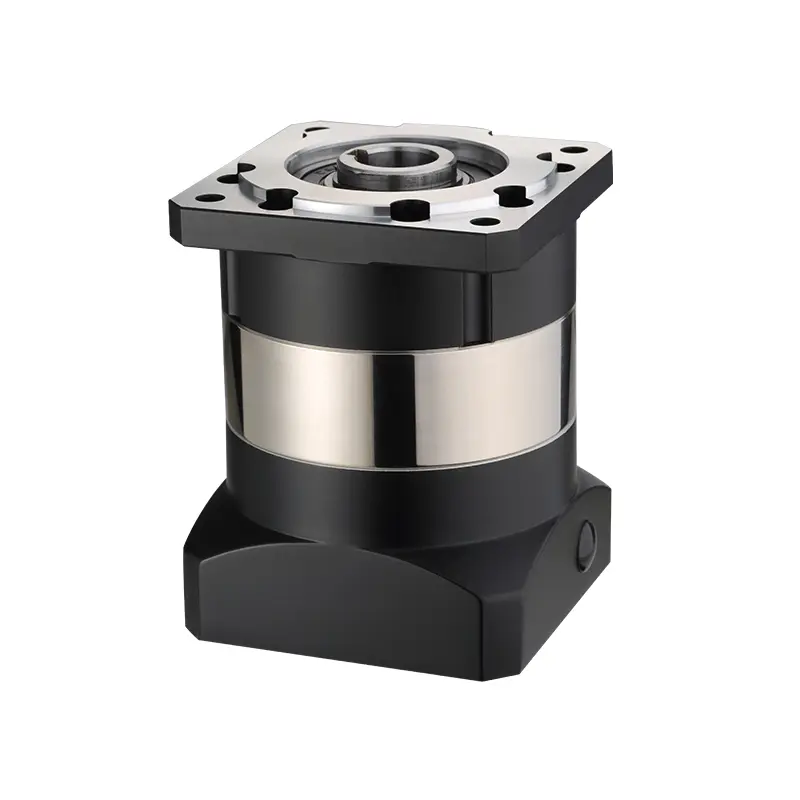
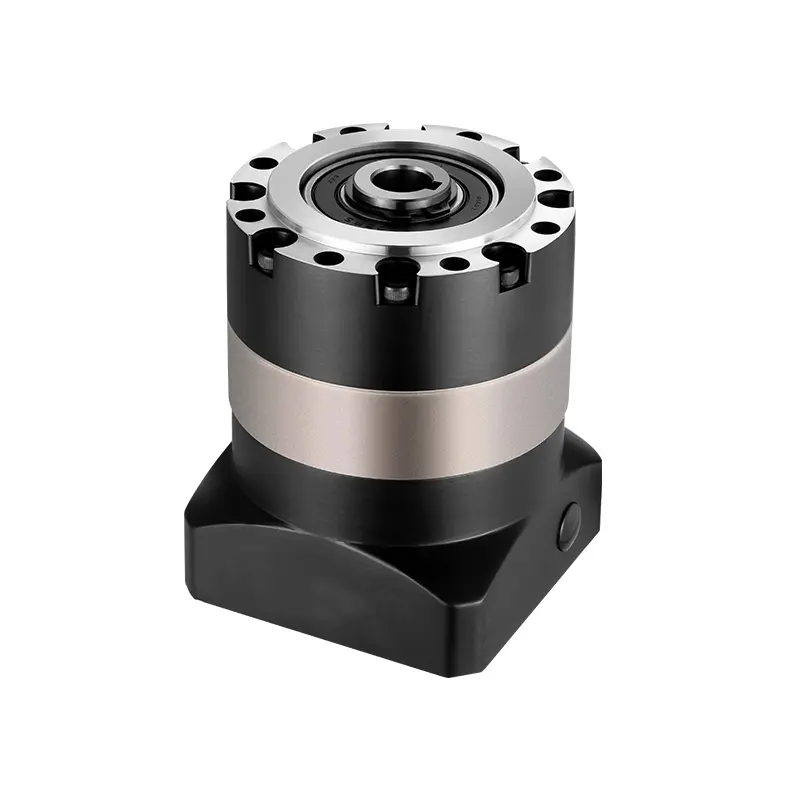
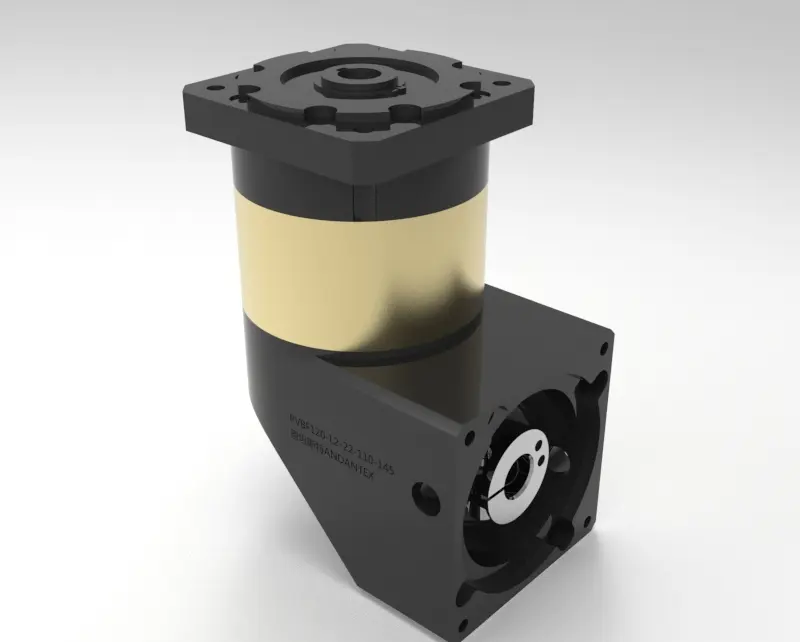
A rotary indexing table (also called a rotary index table or indexing rotary table) is a precision rotary positioning mechanism that rotates a workpiece or fixture through defined angular increments—such as 45°, 60°, 90°, or any programmable angle—and holds it rigidly during assembly, inspection, machining, or laser processing.
What Is a Rotary Indexing Table Used For?
In automated production lines, rotary indexing tables allow multiple operations (loading, screwdriving, dispensing, optical inspection, laser marking, and unloading) to run simultaneously at separate stations around a circular dial. Typical industrial applications include:
- Vision & AOI Inspection Turntables: Fast step-and-settle indexing with minimal vibration for camera inspection (see Vision Inspection Turntable profile).
- Multi-Station Assembly & Packaging: High-cycle-rate indexing for electronics, automotive components, and medical devices (see Indexing Table application).
- Laser Marking & Welding Axes: Programmable arbitrary angles with high repeatability (see Laser Rotary Axis profile).
- Rotary Dispensing & Screwdriving: Routing air lines, power cables, or vacuum tubes cleanly through a hollow center bore.
Rotary Indexing Table Mechanism: Main Types Compared
Choosing the right rotary indexing table mechanism depends on whether you need fixed mechanical dwell angles or flexible programmable positioning:
| Mechanism Type | Positioning Mode | Center Bore | Typical Strengths | ANDANTEX Series |
|---|---|---|---|---|
| Hollow Servo Rotary Table | Fully programmable (any angle via servo/stepper) | Large open hollow shaft | Flexible recipes, clean cable/air pass-through, compact height | NT / NTF / NTFA Hollow Rotary Tables |
| Cam Hollow Rotary Indexer | Mechanical cam curve or servo-driven cam | Hollow center bore | High rigidity, heavy axial/overturning load capacity, smooth acceleration | HTM / HTN / HYP Cam Rotary Tables |
| Pneumatic / Geneva Indexer | Fixed station count only | Usually solid | Low upfront cost, limited speed & repeatability | Best upgraded to servo rotary table for multi-SKU lines |
Programmable Servo Rotary Index Tables vs Fixed Cam Indexers
Modern flexible manufacturing increasingly favors programmable rotary index tables driven by an AC servo motor or closed-loop stepper. Instead of changing hardware when a product switches from a 6-station layout to an 8-station or irregular angular sequence, engineers update the motion profile in the PLC or EtherCAT servo drive. When an application demands extreme heavy-duty shock resistance on a fixed-station dial, a cam hollow rotary table provides higher mechanical stiffness.
Key Parameters for Rotary Indexing Table Design & Selection
Before selecting a frame size and reduction ratio, verify these five engineering parameters:
- Dial Diameter & Total Load Inertia (J): Calculate the mass moment of inertia of the turntable plate, fixtures, and workpieces. Inertia mismatch with the servo motor is the #1 cause of long settling times.
- Indexing Angle & Cycle Time: Define the angular step (e.g., 90°), target indexing time (e.g., 0.3 s), and dwell time to determine peak acceleration torque.
- Axial Load & Overturning Moment: Crossed-roller bearings inside hollow rotary tables handle heavy cantilevered fixtures directly on the mounting face, but off-center loads must stay within rated overturning moment limits.
- Repeatability & Positioning Accuracy: Distinguish between repetitive positioning accuracy (critical for fixed-station vision/assembly) and absolute angular accuracy.
- Motor Interface & Hollow Bore Diameter: Confirm your servo motor flange, shaft diameter, and pilot dimensions using our Motor Interface Matching Tool, and verify that the center aperture clears all cables and pneumatic hoses.
Need Sizing Support or 3D STEP Models?
Browse our Hollow Rotary Tables & Programmable Rotary Indexing Tables to download 2D/3D STEP drawings, or send ANDANTEX your dial diameter, load mass, indexing angle, and cycle time for a fast engineering sizing check.
Leave a Technical Question