 PRECISION DRIVE
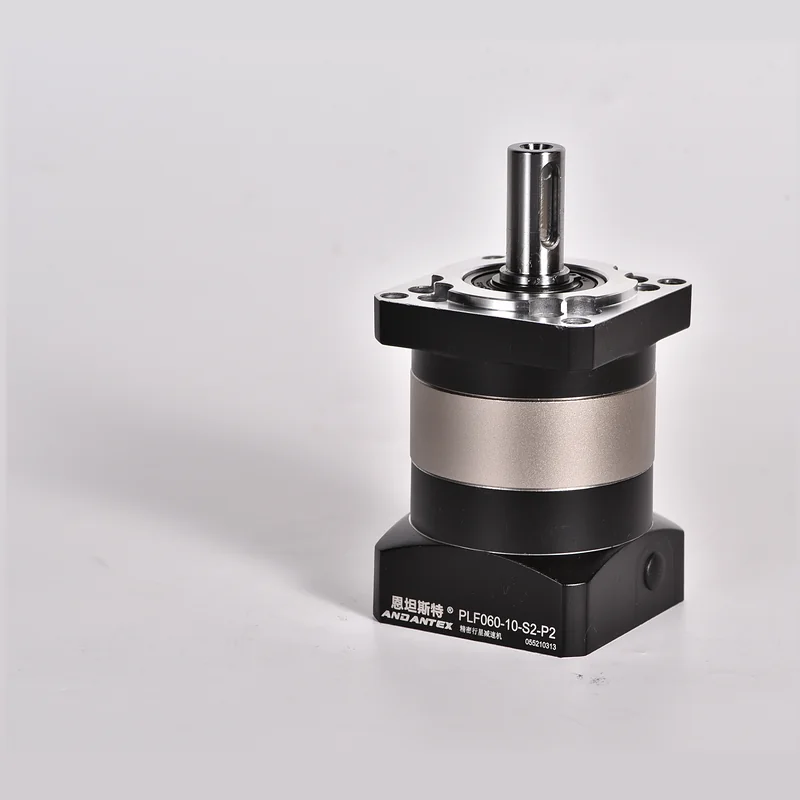
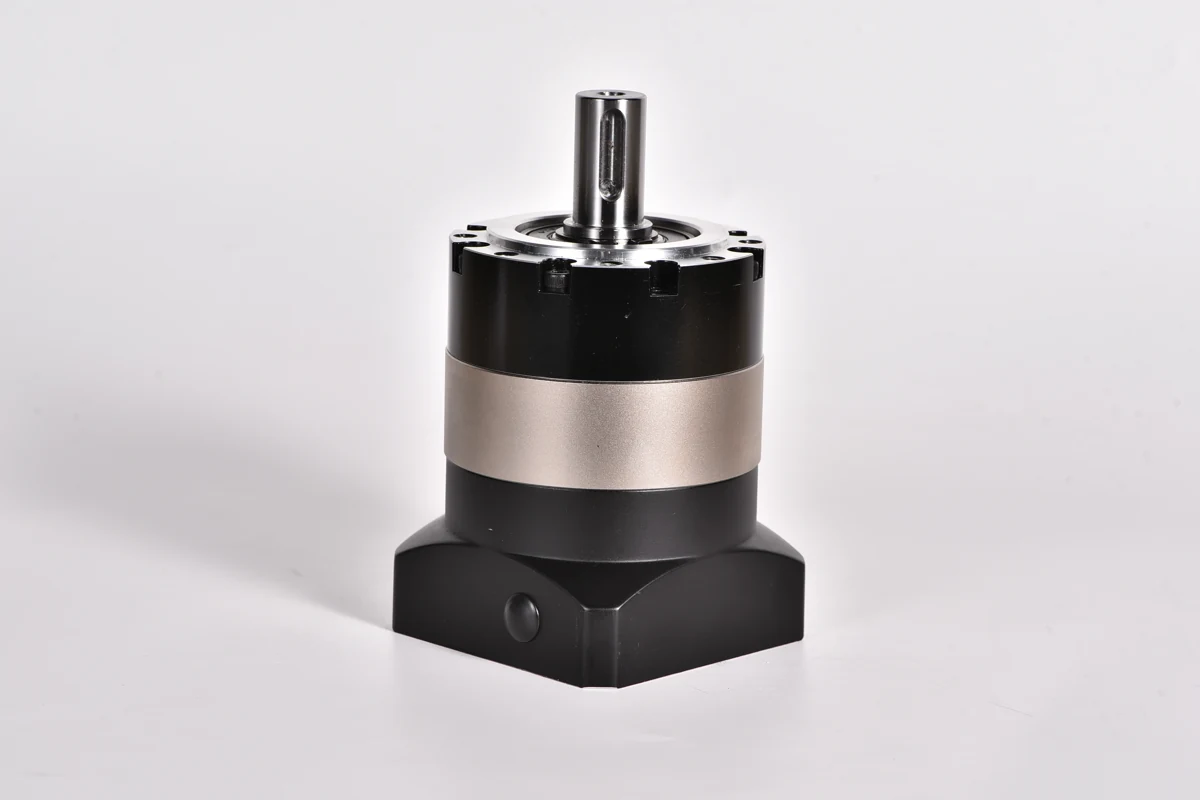
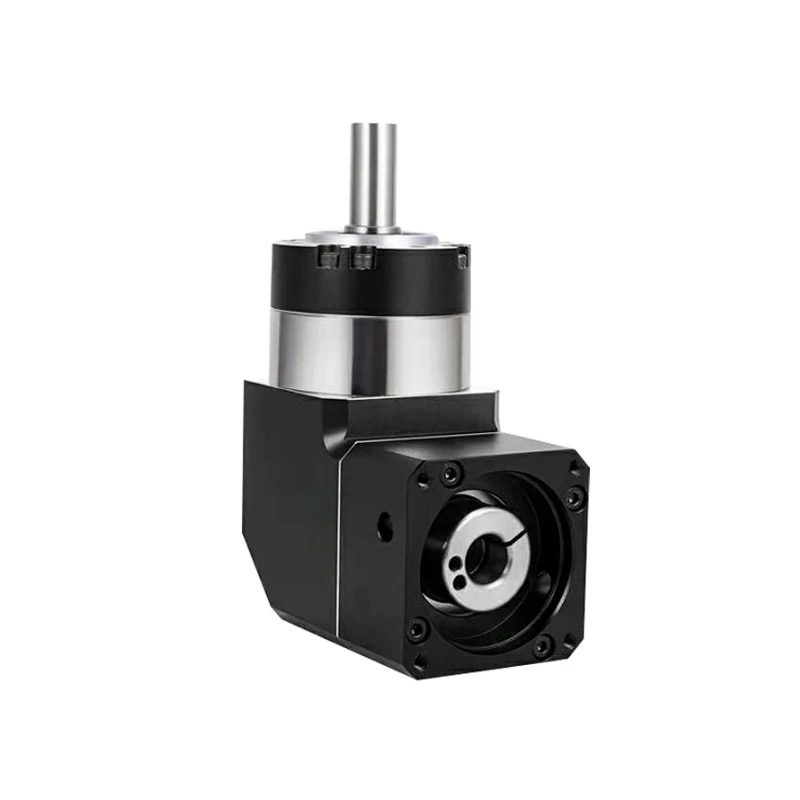
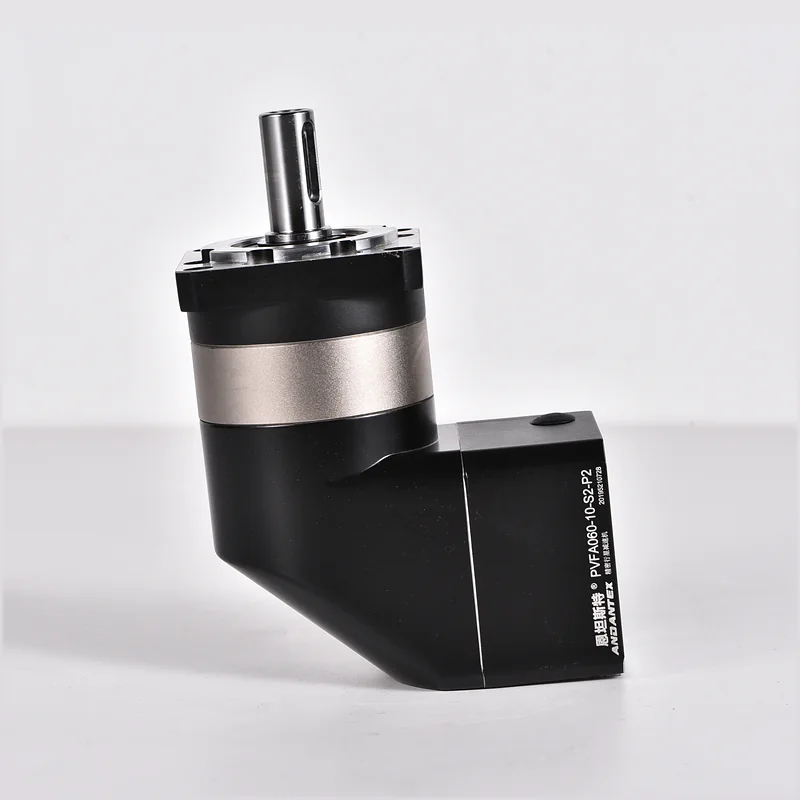
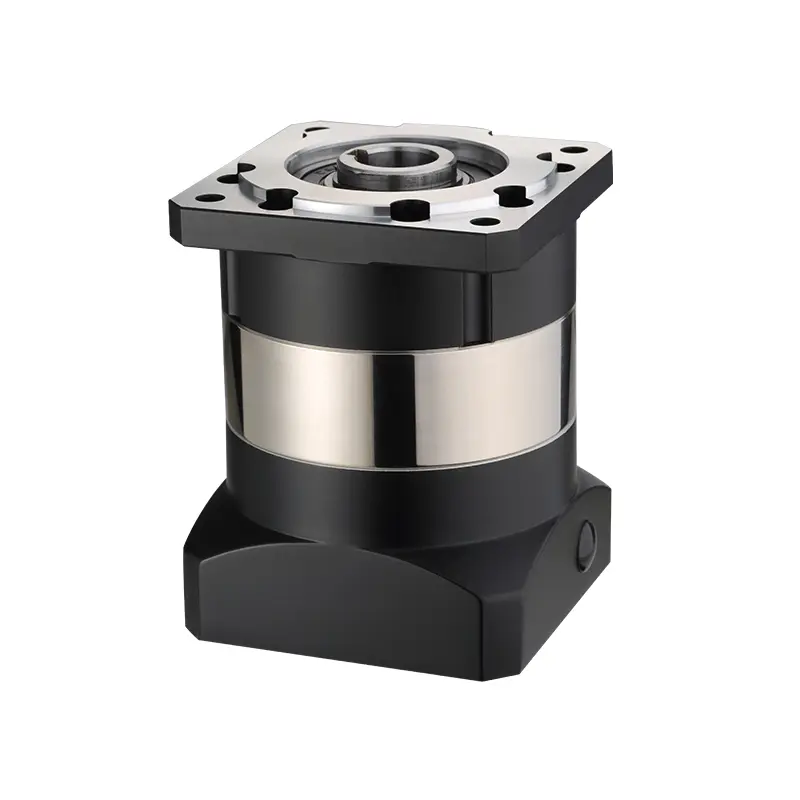
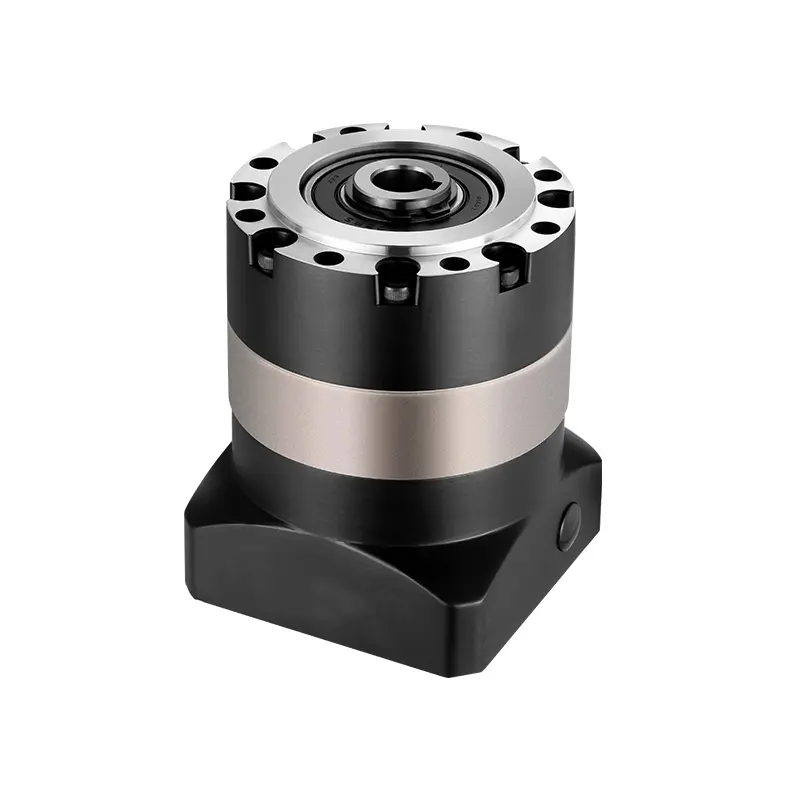
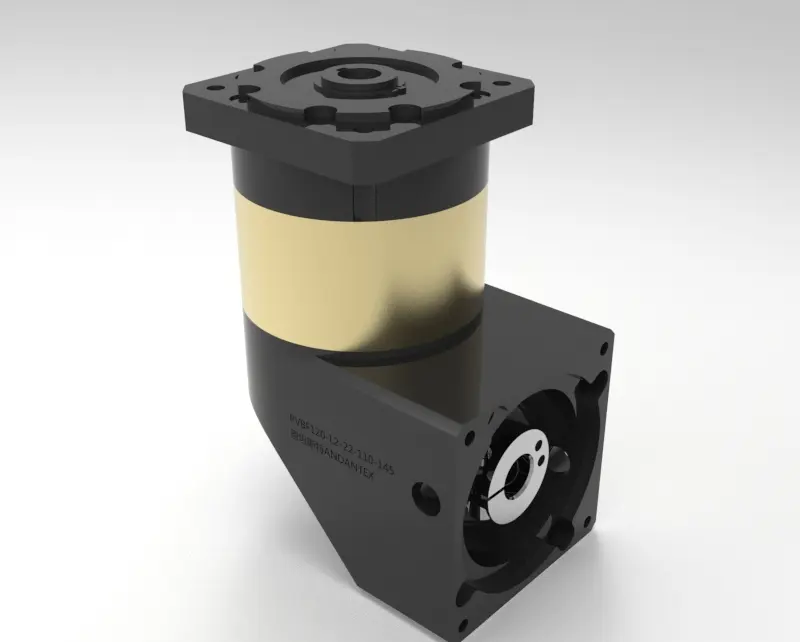
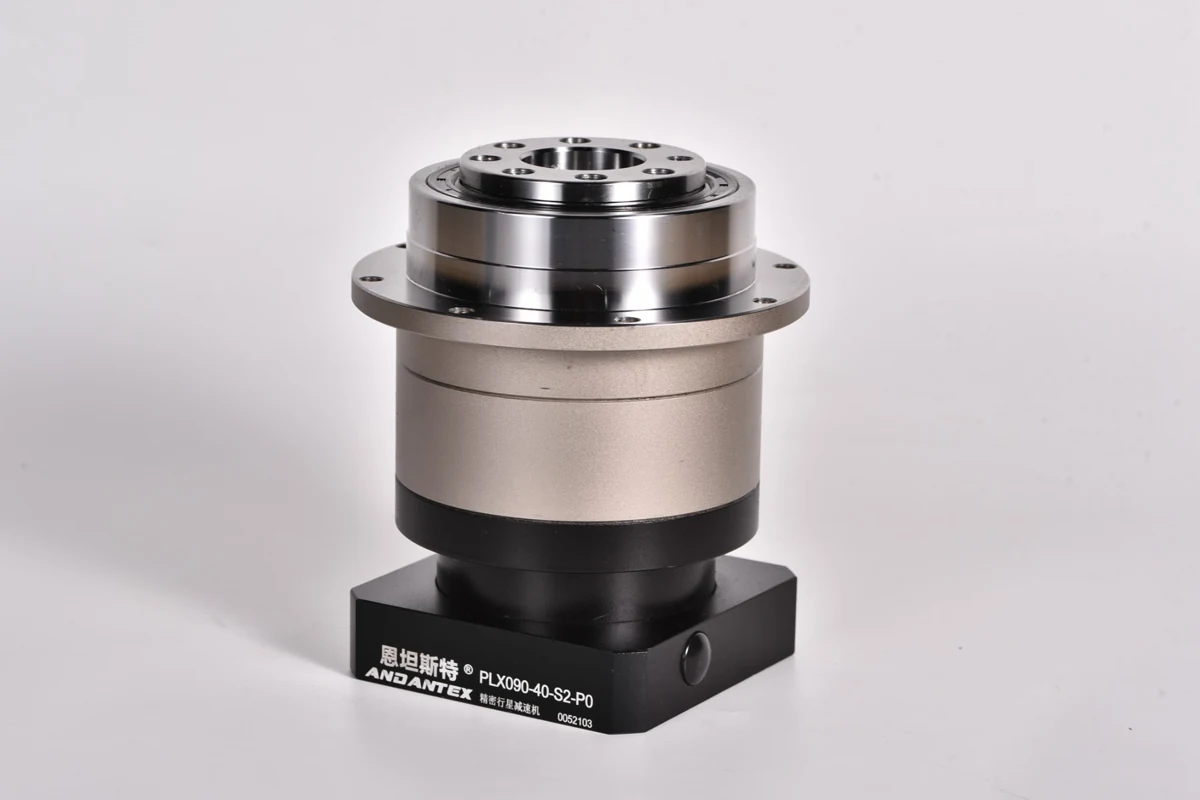
When a turntable feels heavy only during breakaway—or indexes 40 times per minute (2,400 cycles/hour) on half-turn moves—sizing by light continuous running torque will shear gear teeth, fret keyways, or burn up bearings prematurely. You must run a two-boundary check: first verify total starting plus acceleration torque multiplied by a high-cycle duty factor stays under max peak torque (T_start × f_z ≤ T2B), and second verify time-weighted RMS torque and thermal dissipation stay under rated torque (T_eq ≤ T2N). Standard industrial keyed/worm units cannot survive 40 starts/min long-term; switch to a balanced keyless servo clamp drive such as PLX090, PAG090, NT Hollow Rotary Table, or HTN Cam-Roller Indexer.
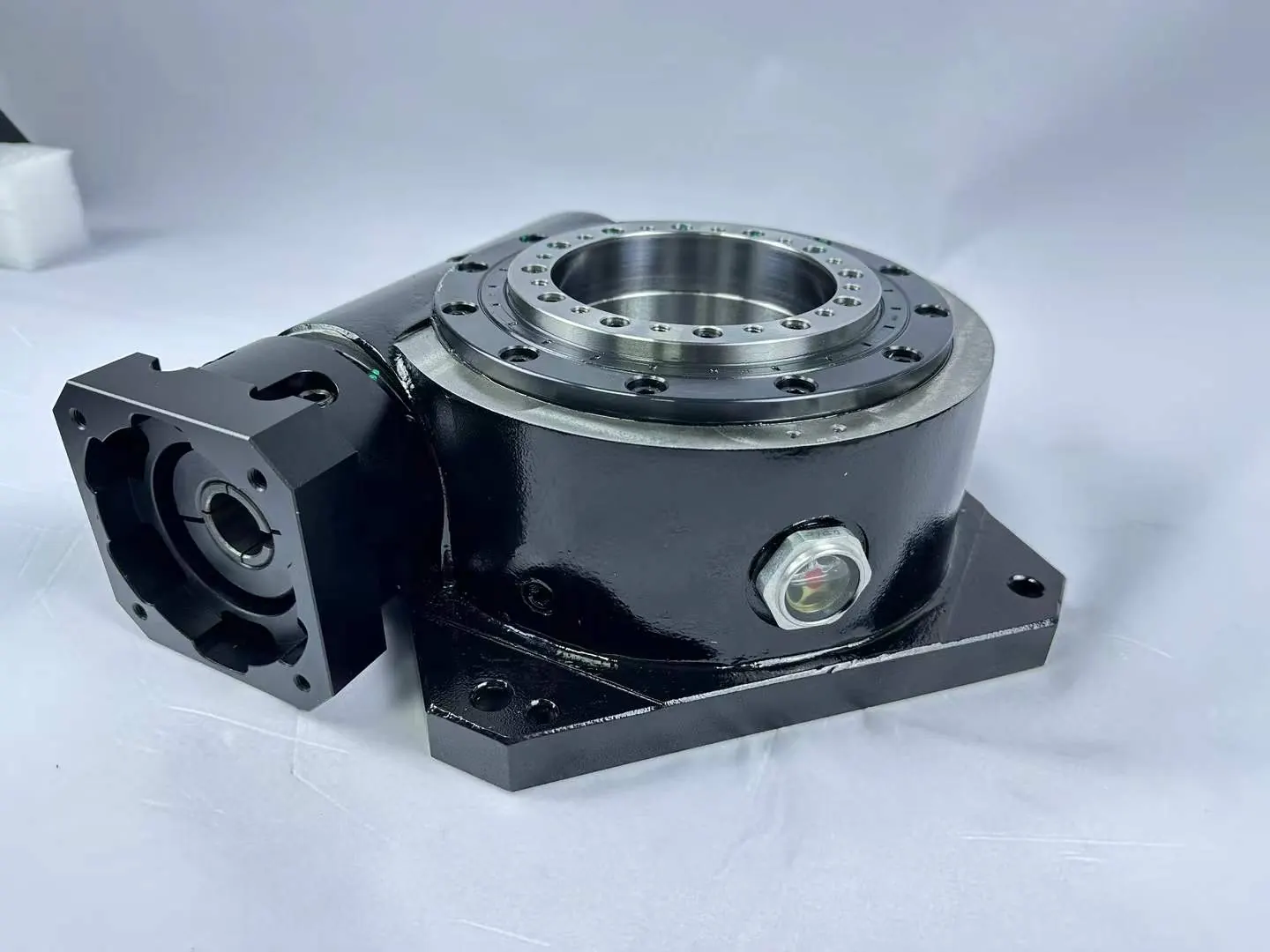
1. Turntable Heavy at Breakaway Only: Start Torque vs. Continuous Torque Rules
Static friction across wide turntable seals, dry thrust races, or large vacuum manifolds often creates 2–4× more breakaway resistance at zero speed than during steady motion—plus full load rotational inertia acceleration J_total × α:
T_start = T_breakaway + (J_table + J_fixtures) × α
- Gate 1 — Starting & Decel Peak Check (
T2B): Every start spike must sit strictly below the gearbox's cyclic acceleration limitT2B = 1.5 × T2N(for example,180 NmonPLX090,183 NmonPLF090-20), adjusted by your start-frequency shock factorf_z. Read exact peak limits in our Rated Torque vs. Peak Torque Guide. - Gate 2 — Equivalent Fatigue & Thermal RMS Check (
T2N): Even if mid-move torque is near zero, repeated high-current start pulses drive tooth bending fatigue and oil heat. Keep equivalent RMS torque across the full cycle belowT2N(≤ 120 NmonPLX090). - Gate 3 — Inertia Mismatch Check: On servo turntables, keep reflected load inertia ratio
J_load / (J_motor × i^2) ≤ 5–10so the servo stops cleanly without hunting or slamming gear flanks.
2. Why 40 Starts/Min Half-Turn Indexing Destroys Standard Reducers
At 40 cycles/min (2,400 starts/hour, one 180° index every 1.5 s totaling > 11.5 million reversals per year at 8 hrs/day), ordinary industrial drives suffer four rapid failure modes highlighted in our Frequent Start/Stop Life Guide:
| Failure Mechanism at 40 Cycles/Min | Why Standard Units Fail | ANDANTEX Engineered Fix |
|---|---|---|
1. Impact Shock Multiplier (f_z) | Catalog ratings assume ≤ 1,000 cycles/hour (S1/S5 baseline); 2,400 c/h multiplies tooth stress | Apply cyclic shock factor f_z = 1.3–1.6 (T_start × f_z ≤ T2B, T_eq × f_z ≤ T2N) |
| 2. Input Keyway Fretting & Backlash Slam | Clearance keys hammer against DIN 6885 slots 40 times/min, pulverizing couplings | Use keyless split clamping collar planetary drives (no-slip clamping guide) |
3. Needle-Bearing False Brinelling (0.5 rev Trap) | At 3:1–5:1 ratios, half an output turn rotates planet rollers < 1 full race turn, squeezing grease dry | Choose higher ratio (≥ 10:1–20:1) so input & planet rollers complete multiple oil-film sweeps every move |
| 4. Worm Bronze Overheating & Wear | Sliding bronze teeth lose efficiency (~55%) and wipe lube away under constant accel spikes | Upgrade from NMRV worm to helical PAG, PLX, NT, or HTN cam table |
3. Choosing the Right Architecture for High-Cycle Half-Turn Turntables
- Heavy Dial Plates & Bolt-On Fixtures (
≤ 15–30 cpmor Multi-Position): Choose PLX Flange-Output Planetary (ISO 9409-1monoblock disc with opposed tapered roller bearings) or NT Hollow Rotary Table (≤ 10 arcsecrepeatability, wide center cable bore). - Sustained
40+ Starts/MinFixed180°Indexing: Fixed two-position180°stops running 24/7 perform best on a mechanical HTN / HTM Cam-Roller Indexing Table driven by a continuous motor, eliminating servo reversing spikes altogether—compare architectures in our Cam Roller vs. Hollow Rotary Guide. - Smooth Your Acceleration Ramp Time: Extending move ramp by even
30–50 ms(S-curve profile) slashes inertial peak torqueJ × αdramatically without losing throughput; verify speed ceilings via 6,000 RPM Peak vs. Rated Input Speed Rules.
Frequently Asked Questions (FAQ)
Q1: My turntable takes 90 Nm only for 0.1 seconds at start, then drops to 12 Nm—can I buy a 40 Nm gearbox?
No. At 90 Nm start torque (90 Nm × 1.3 = 117 Nm), a 40 Nm rated unit (60 Nm max T2B) exceeds its peak rating on every single start. Select a 90-frame unit such as PLX090 (120 Nm rated / 180 Nm peak T2B) or PLF090 (122 Nm rated / 183 Nm peak) for full fatigue margin.
Q2: What goes wrong thermally when running 40 starts/min with short rest times?
Repeated peak braking and reversing churns synthetic grease even though average output speed looks low. Monitor housing skin temperature (< 80–90 °C), confirm RMS speed stays under n1N, and pair with helical PAG / PLX units for 90–97% mechanical efficiency.
Q3: What cycle numbers should I send ANDANTEX to verify a 40 cpm turntable selection?
Send dial diameter and mass, fixture offset radius, exact index angle (180°), move time vs. dwell time, and motor details to our Engineering RFQ Desk or calculate baseline torque in the Ratio & Torque Calculator.