 PRECISION DRIVE
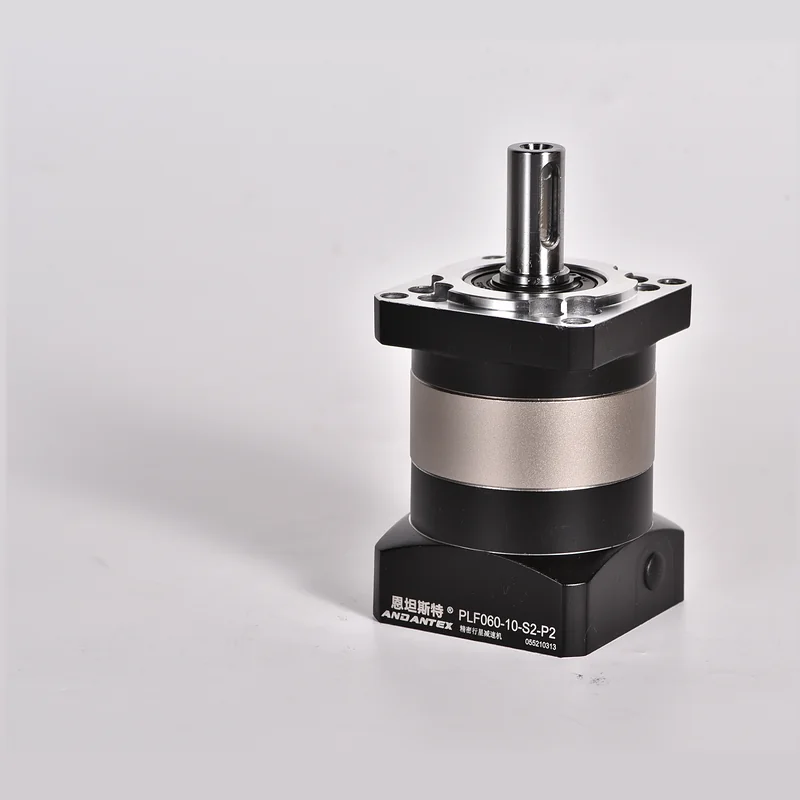
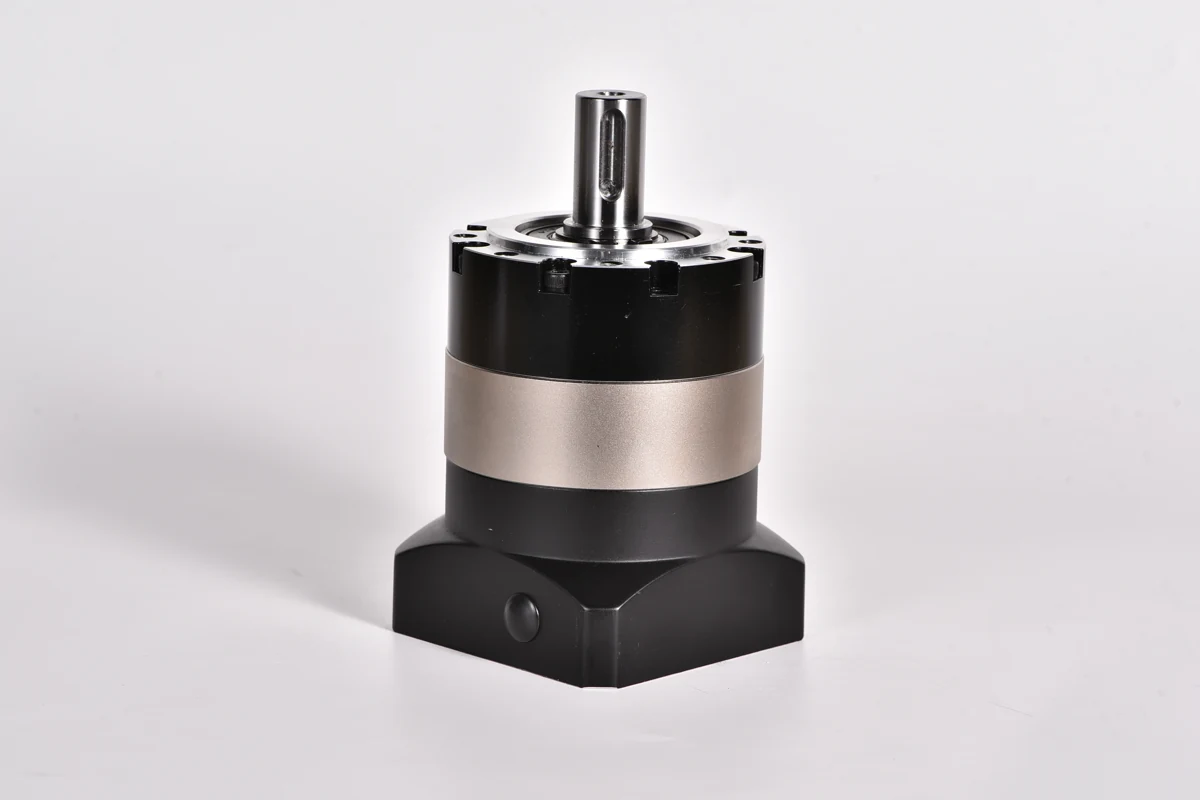
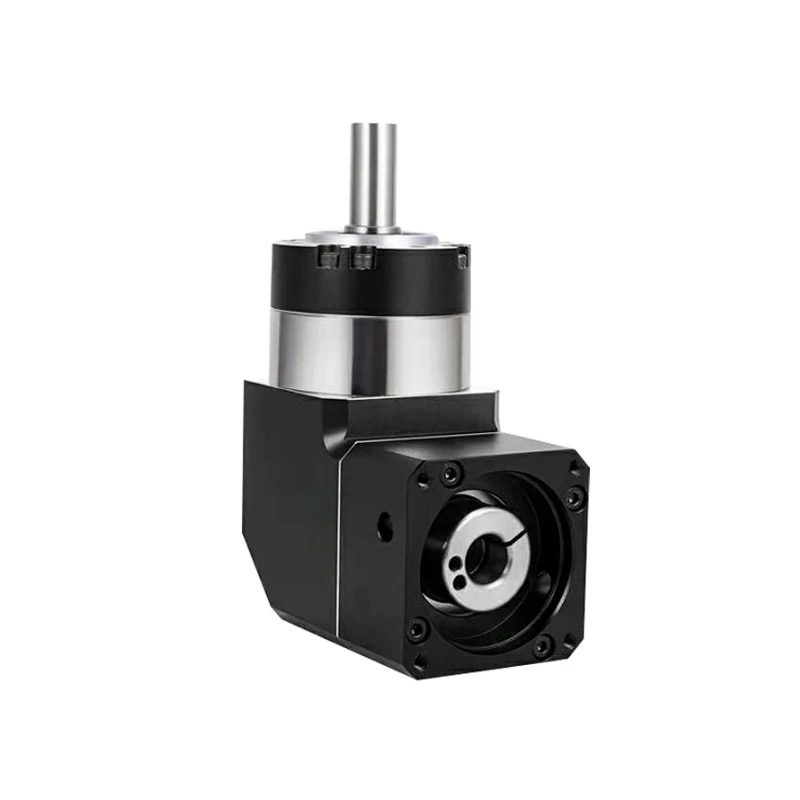
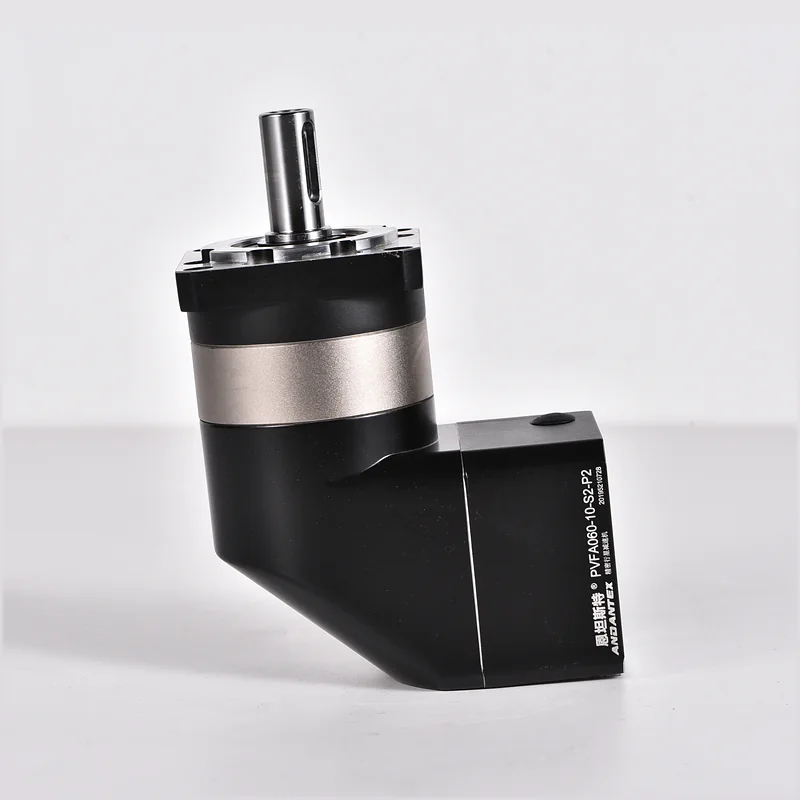
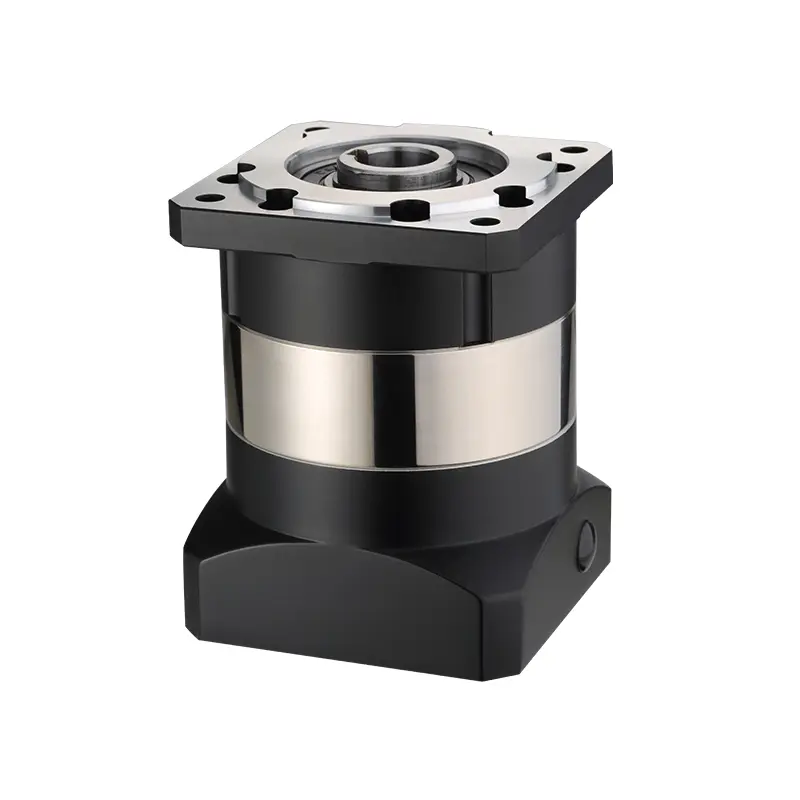
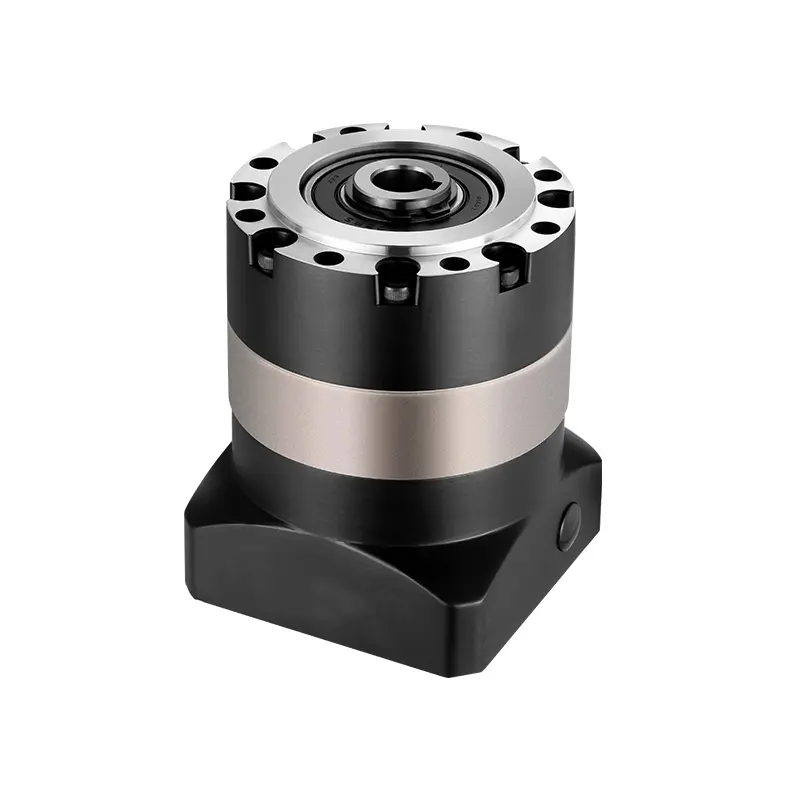
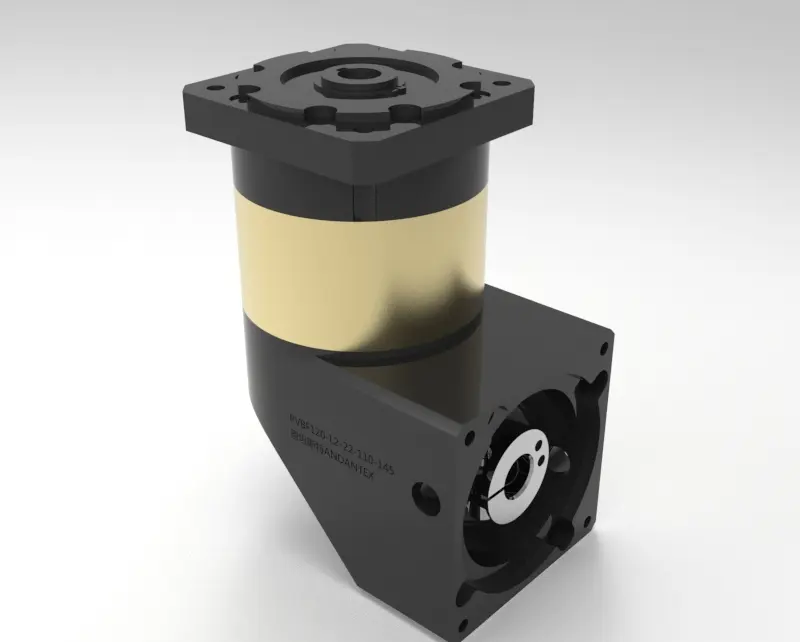
If your mechanism flips forward and reverse every 2–5 seconds (720–1,800 reversals/hour, heavy S5 cyclic reversing duty), choose a right-angle helical planetary gearbox (PAMG / PVFA) or a servo hypoid gearbox (KRV)—not a conventional NMRV worm reducer. Rapid zero-crossing destroys standard bronze-wheel worm drives through boundary lubrication breakdown, high-backlash flank hammering, self-locking deceleration jams, and input keyway fretting. Precision PAMG (≤ 5–10 arcmin, 90–95% efficiency) and KRV (≤ 3–5 arcmin, 85–92% efficiency) absorb millions of reversing cycles cleanly when paired with a keyless clamping collar and a 1.4–1.6× reversing shock factor.

1. Four Failure Modes That Destroy Worm Gearboxes Under Rapid Reversal
Conventional worm reducers perform well in steady single-direction conveyors, but reversing direction every few seconds triggers a four-way cascade (compare KRV hypoid vs. NMRV worm durability and Start/Stop Life rules):
- Zero-Crossing Lubrication Wipe-Off & Thermal Runaway: Each time velocity passes through
0 rpm, hydrodynamic oil wedges collapse across sliding steel-on-bronze teeth. At55–75%efficiency, roughly a third of motor power turns directly into heat—coking oil seals and thinning lubricant viscosity. - Backlash Hammer Amplification (
15–30+ arcmin > 1°): Every direction reversal accelerates the motor freely across the worm backlash gap before slamming into the opposite bronze flank. Those micro-impacts peen soft phosphor-bronze teeth, doubling backlash within months. - High-Ratio Self-Locking Inertia Jam on Deceleration: At
30:1–60:1, worm friction tries to wedge rather than back-drive smoothly when decelerating heavy inertias—spiking shock torque right into the worm shaft instead of regenerating cleanly back into the servo drive. - Input Keyway Fretting Corrosion: Keyed hollow input bores on standard
IEC B5/B14 NMRVunits rattle across key clearance every reversal, generating iron-oxide fretting dust and ovalizing the motor shaft (see keyless clamping prevention).
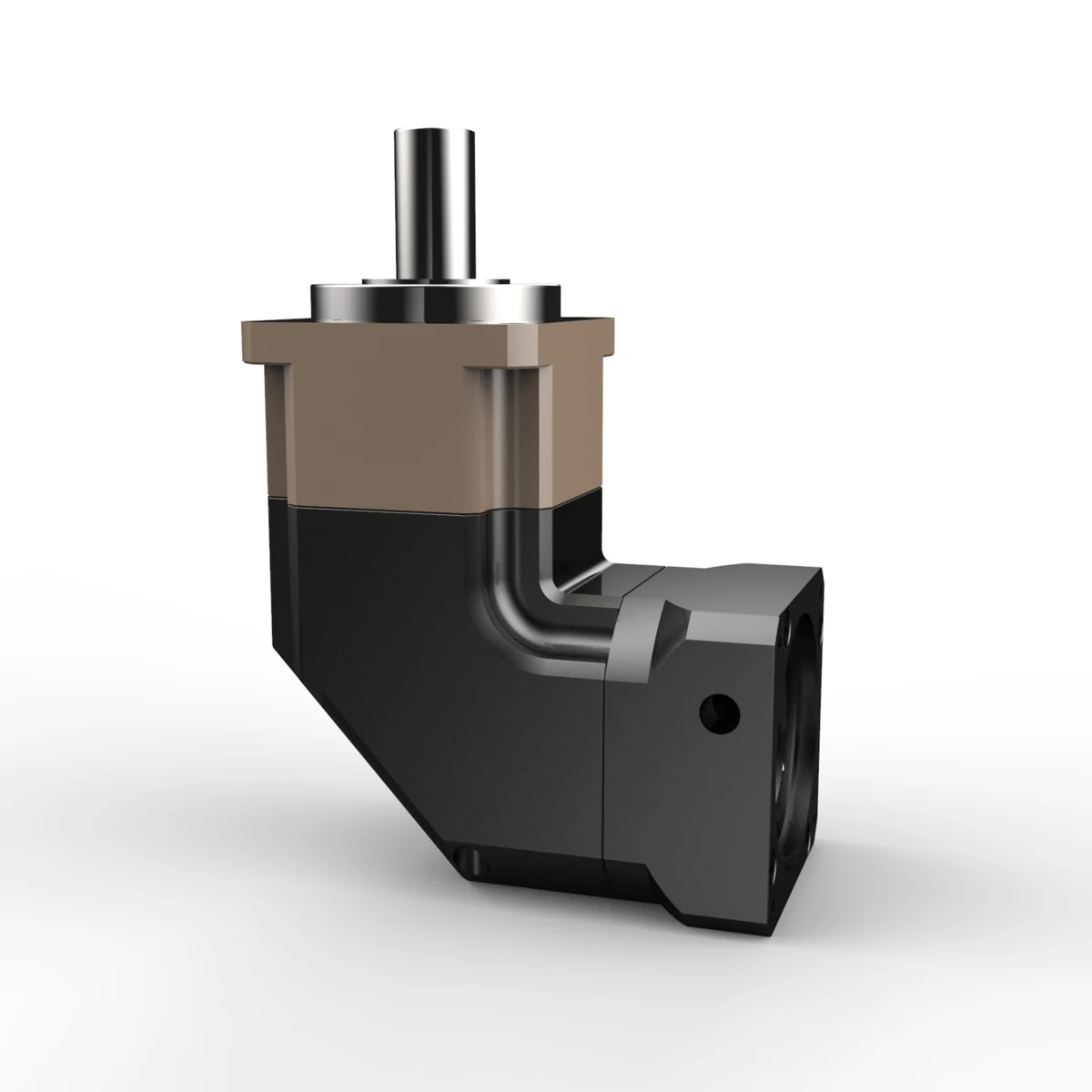
2. Head-to-Head Comparison: Right-Angle Planetary (PAMG / PVFA) vs. Hypoid (KRV) vs. Worm (NMRV)
| Performance Metric | Helical 90° Planetary (PAMG090) | Square-Flange 90° Planetary (PVFA090) | Servo Hypoid (KRV) | Conventional Worm (NMRV) |
|---|---|---|---|---|
| Tooth Engagement & Efficiency | Spiral bevel + helical planetary (90–95%) | Spiral bevel + planetary (92–95%) | Ground hypoid + helical (85–92%) | Sliding steel/bronze worm (55–75%) |
| Standard Torsional Backlash | ≤ 5 arcmin (L1) / ≤ 7–10 (L2) | ≤ 8 arcmin (L1) | ≤ 3–5 arcmin | 15–30+ arcmin (grows fast) |
Rated Torque & Radial (090 Size) | 75–130 Nm / 3,300 N radial | 56–122 Nm / 450 N radial | High torque density, hollow/solid bore | Derate heavily for S5 cycling |
| Input Clamping & Speed Limit | Keyless split clamp collar (6,000 rpm max) | Keyless split clamp collar (6,000 rpm max) | Keyless clamp collar | Loose keyed IEC bore (frets on reversal) |
| Bidirectional Servo Braking | Clean regenerative deceleration | Clean regenerative deceleration | Clean regenerative deceleration | High-ratio self-locking wedging risk |
3. Four-Point Sizing Checklist for 3–5 Second Reversing Machines
- Apply a
1.4–1.6×Reversing Shock Factor (f_z) to Peak Decel/Accel Torque: Unlike one-way starts, instantaneous forward-to-reverse torque reverses tooth flank loading completely (±T_peak). EnsureT_peak_reversal × f_z ≤ T2Band cycleRMStorque stays comfortably below continuousT2N(compare 40 starts/min two-boundary rules). - Keep Keyed Output Connections Out of High-Cycle Joints Where Possible: If driving a hollow shaft with constant reversals, prefer shrink-disc clamping (AT-FC) or keyless flanged PVBF /
PAMGcouplings (see shrink-disc vs. keyway disassembly) to eliminate output keyway battering. - Use S-Curve Ramps & Check Reflected Inertia Ratio: Rounding reversal corners by
20–40 mscuts impact acceleration peaks drastically without slowing cycle rate. Verify reflected load inertiaJ_load / (J_motor × i²) ≤ 5–10and run your motor well insiden1N / n1B(6,000 rpm speed check). - Hold Static Vertical Loads With a Motor Brake, Never Worm Self-Locking: Worm "static self-locking" vibrates loose under machine chatter anyway. Use a fail-safe electromagnetic motor holding brake paired with a high-efficiency
PAMG,PVFA, orKRVdrive (~60%standard models in stock,MOQ = 1CNC flanges in 3–5 business days).
Frequently Asked Questions (FAQ)
Q1: When should I choose KRV servo hypoid instead of PAMG right-angle planetary for frequent reversing?
Pick PAMG when you carry heavy belt/chain side loads (3,300 N on PAMG090) or high ≤ 6,000 rpm servo inputs. Pick KRV hypoid when you need a single-stage-like thin hollow-bore shaft mount directly onto a roller or index shaft at ratios like 15:1–50:1.
Q2: Can a 1:1 or low-ratio spiral bevel unit (AT-FL / PVFD) also survive reversing every few seconds?
Yes—ground spiral bevel gearboxes (AT-FL, PVFD, PVFH) have rolling-sliding gear contact at 94–97% efficiency and low backlash (≤ 6–10 arcmin). Just apply the f_z = 1.4–1.6 shock multiplier and verify keyless motor clamping on motor-bore units.
Q3: Why does an NMRV worm drive work for the first 3 months on a reversing shuttle and then suddenly lose accuracy?
Synthetic oil slowly shears out of the bronze tooth surface while repeated reversing impacts widen backlash from ~20 arcmin past 45–60 arcmin. Send your reversing cycle time, inertia, and torque profile to our Engineering RFQ Desk to cross-reference a drop-in PAMG, PVFA, or KRV upgrade (verify 2D/3D clearance first).