 PRECISION DRIVE
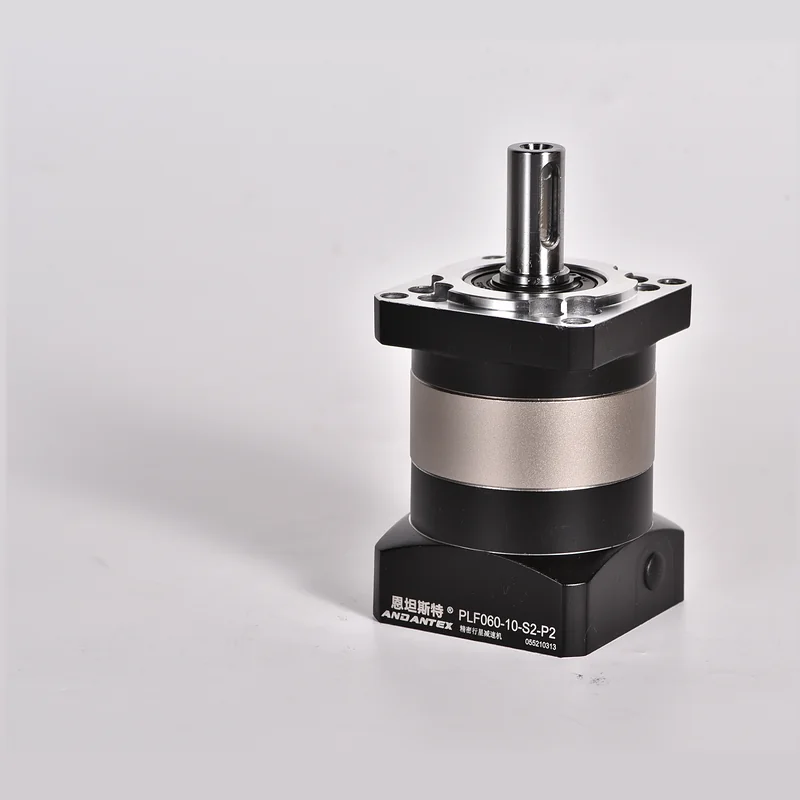
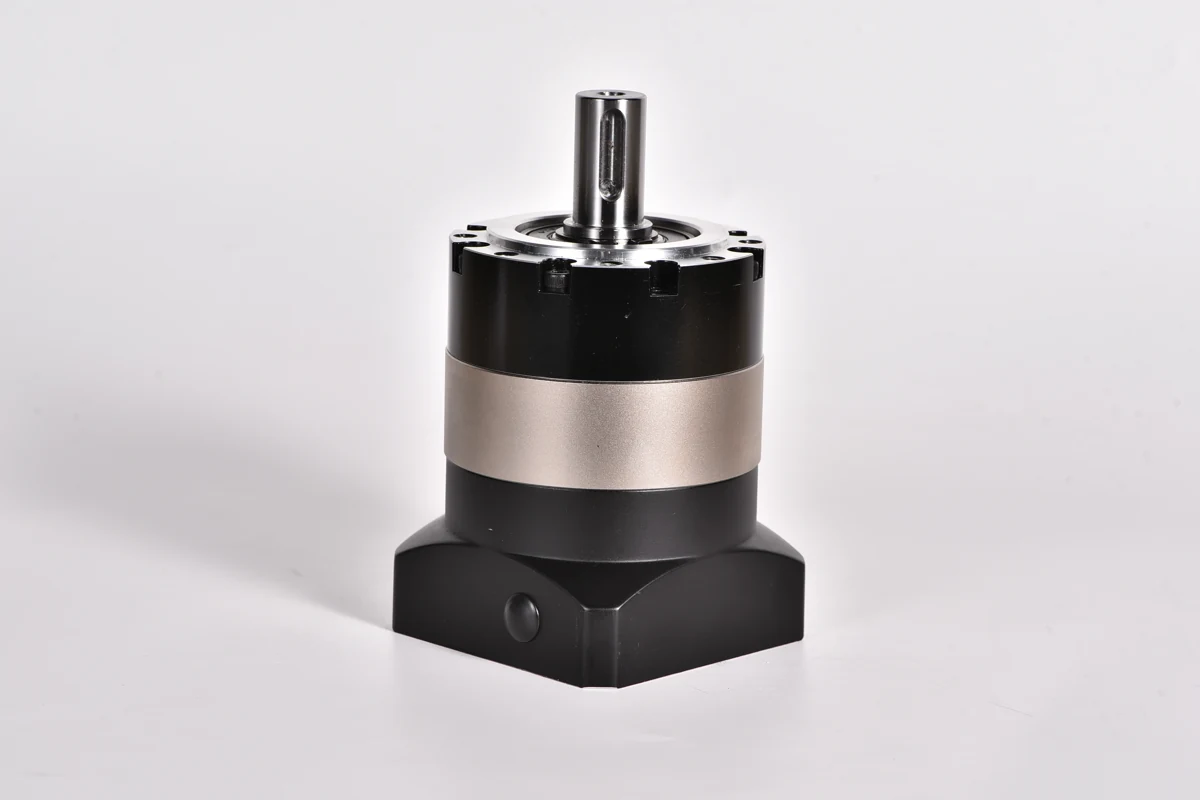
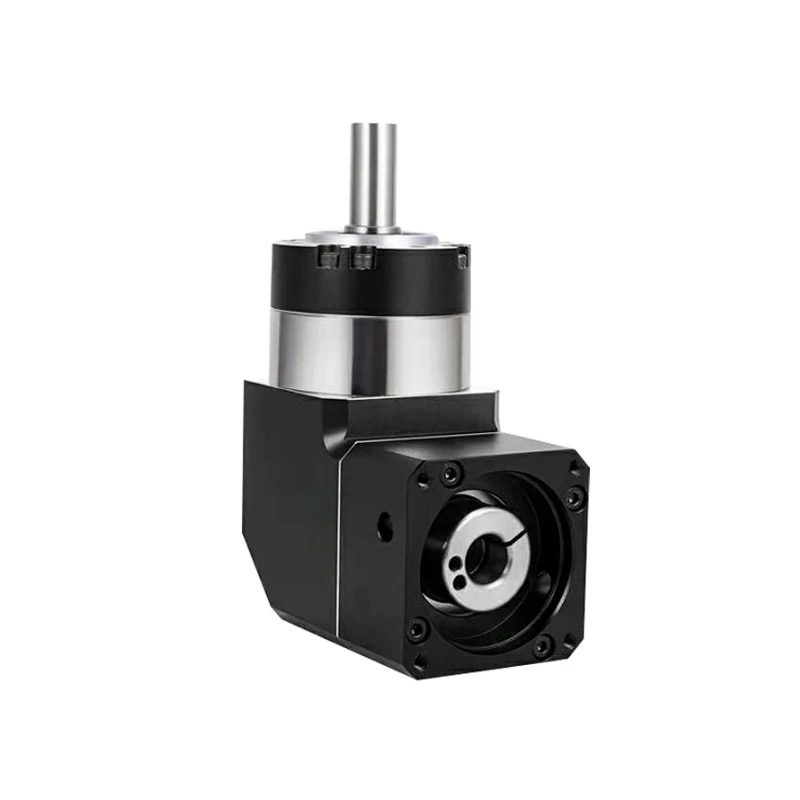
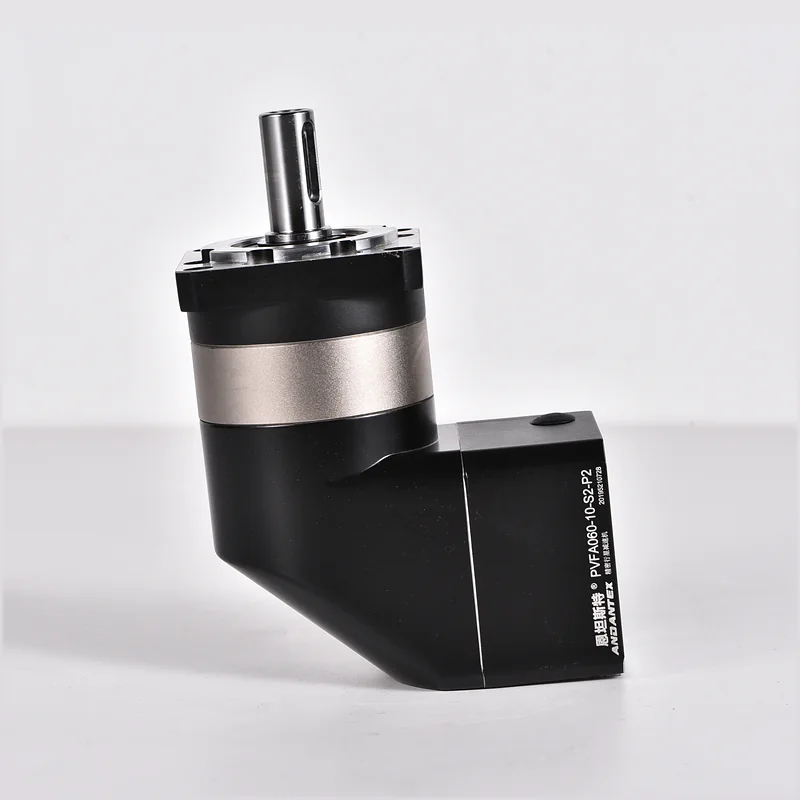
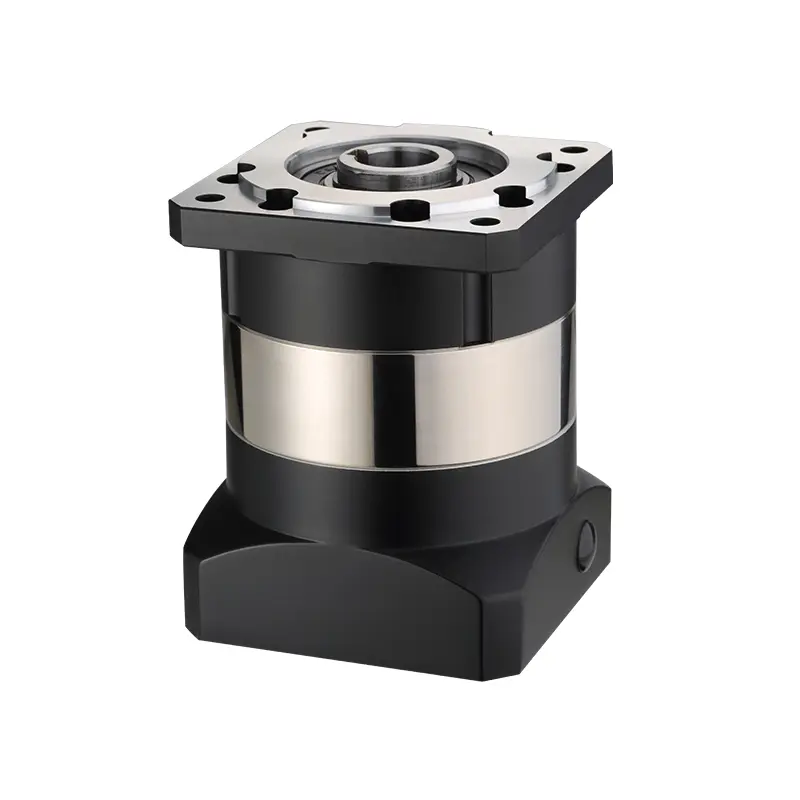
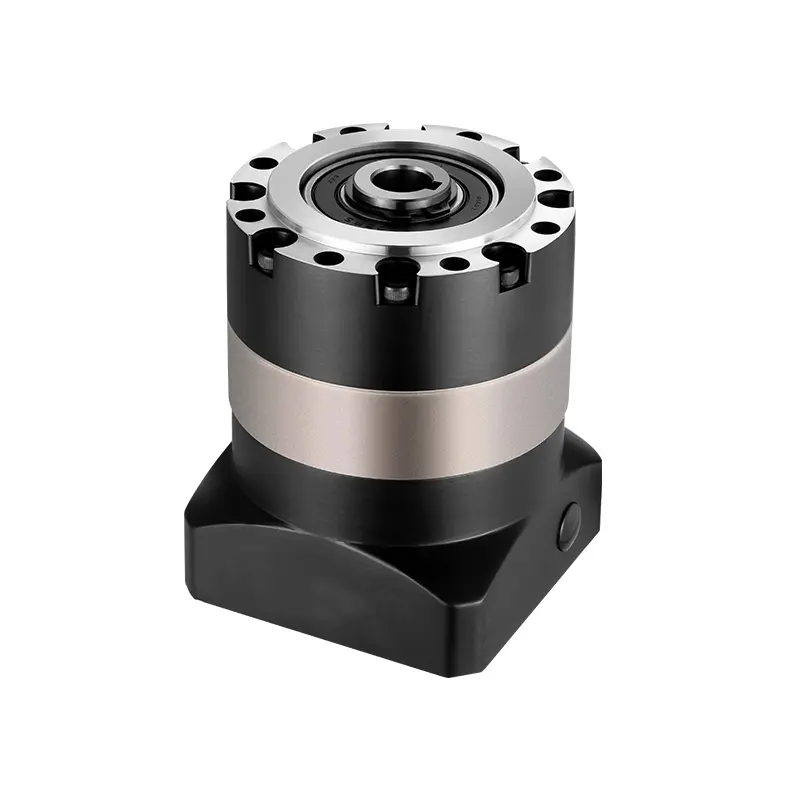
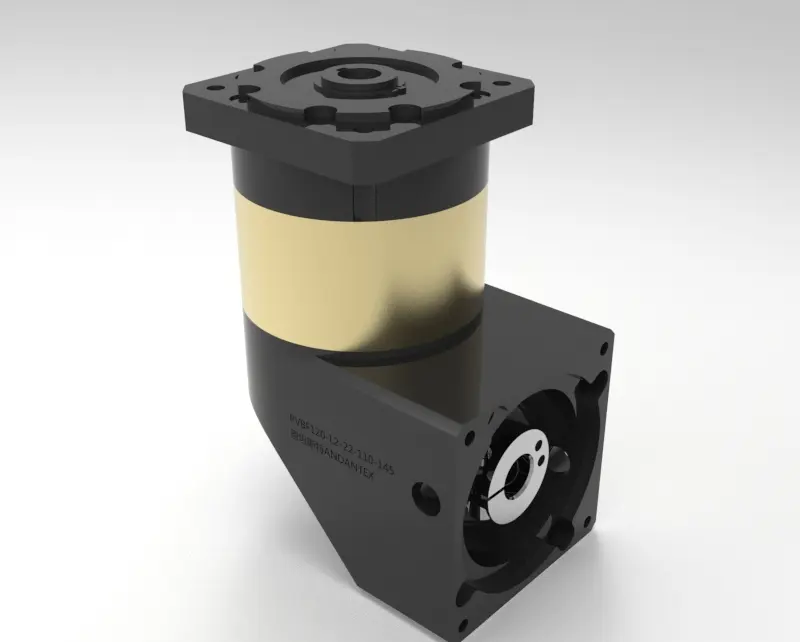
KRV hypoid and NMRV worm gearboxes both provide right-angle speed reduction, but their transmission characteristics suit different machines. KRV is often considered where efficiency and continuous running matter; NMRV offers large single-stage ratios for low-speed, high-torque applications and can provide resistance to back-driving in certain configurations.
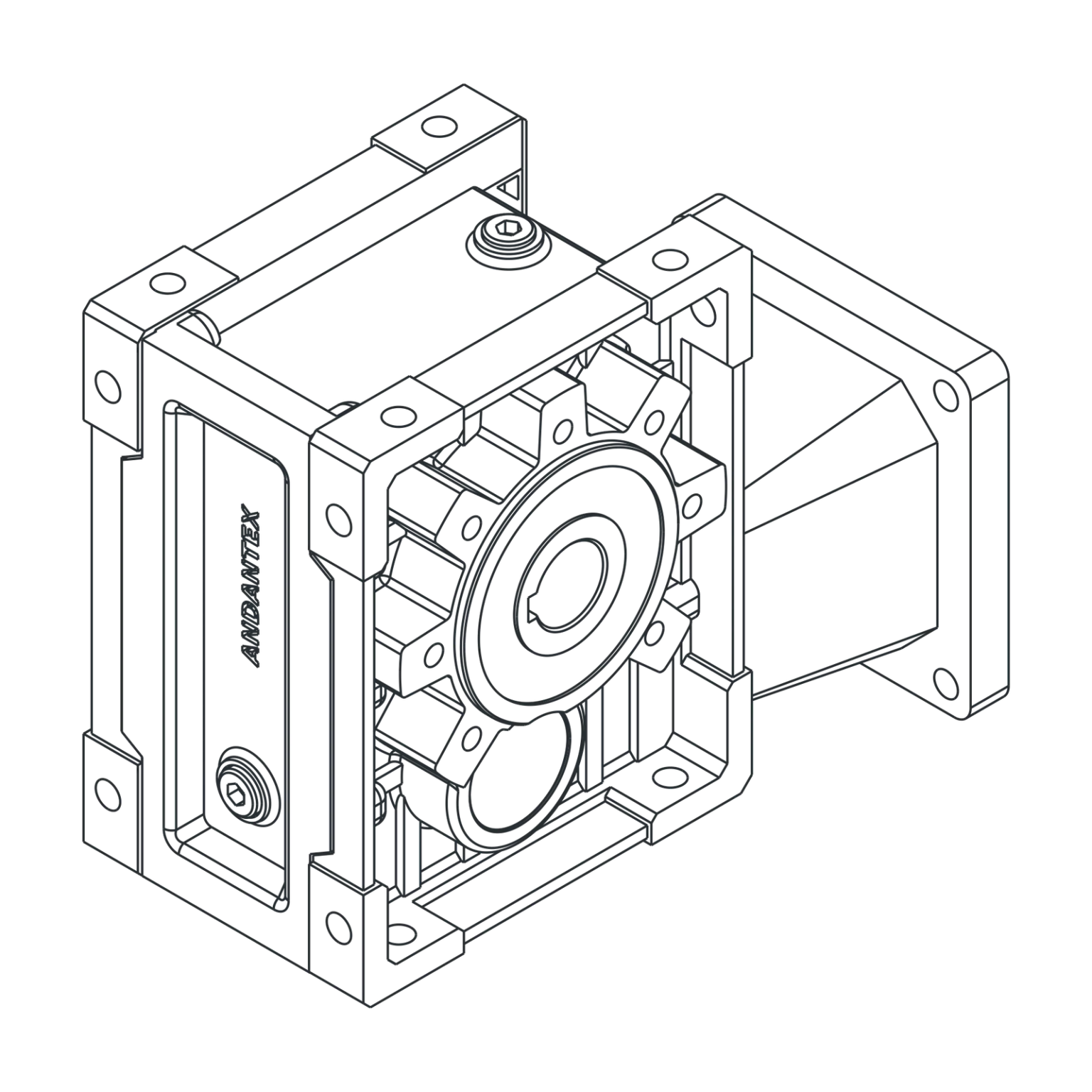
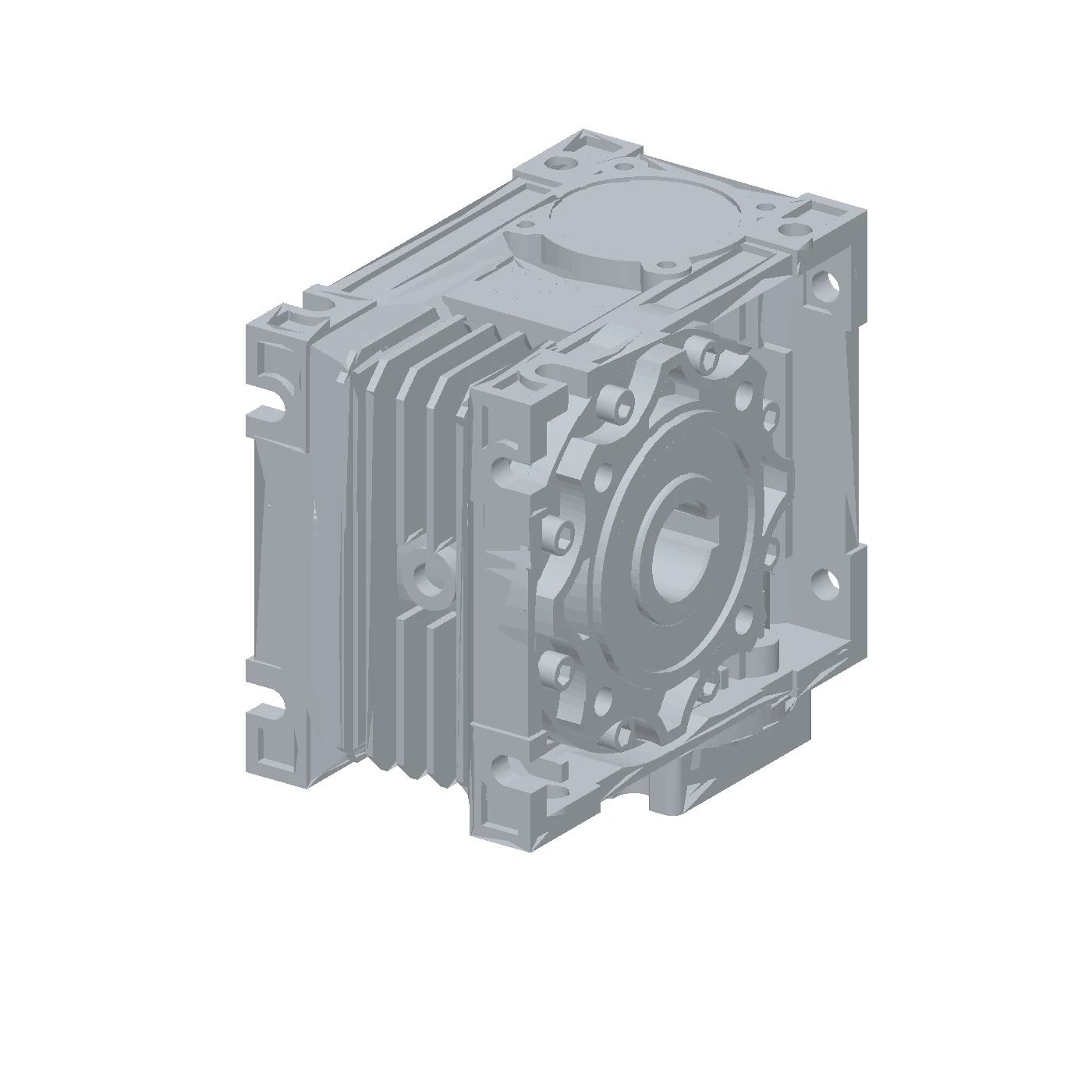
Key differences between KRV and NMRV
Scroll horizontally to view the comparison table.
| Feature | KRV hypoid | NMRV worm |
|---|---|---|
| Gear arrangement | Hypoid gearing | Worm and worm wheel |
| Transmission | Right-angle | Right-angle |
| Efficiency | Typically higher under comparable conditions | Depends strongly on ratio, speed and lubrication |
| Low-speed torque | Select by ratio and rating | Large reduction possible in one stage |
| Holding | Consider an external brake | Some configurations resist back-driving under certain conditions |
| Purchase cost | Typically higher | General-purpose configurations are often more economical |
| Applications | Mobile chassis, conveyors and packaging equipment | Low-speed drives and adjustment mechanisms |
Compare specific models and their ratings. Gearbox type alone does not establish which unit carries a greater load.
How do the gear mechanisms differ?
Hypoid gears combine rolling and sliding contact to change the direction of power. Under comparable conditions, they generally transmit power more efficiently than conventional worm gears. This can reduce transmission losses in continuously operating or battery-powered machines.
In an NMRV gearbox, a worm drives a worm wheel through predominantly sliding contact. A large reduction ratio can be achieved in a compact single-stage arrangement. Check lubrication and temperature when the unit operates at high reduction, heavy load or for extended periods.
NMRV: low-speed heavy loads and static torque
Some machines move slowly under load and then remain stationary for long periods. Examples include adjustable frames, tilt mechanisms and equipment positioning assemblies. Select the gearbox for both the operating torque and the torque applied at standstill.
Static load capacity and self-locking
Static load capacity concerns the load the gears, output shaft, bearings and housing can withstand when stopped. Self-locking concerns whether an applied output load can drive the input backwards. These are separate checks; obtain the permissible static and maximum torque for the actual configuration.
Some worm gear configurations resist back-driving when stationary, depending on ratio, lubrication, wear, vibration and other conditions. Where reliable holding is required, specify a suitable brake or restraint; vertical lifting or falling-load hazards require appropriate protective equipment.
Tracked chassis: why efficiency matters
An ANDANTEX tracked-chassis application uses a KRV063 / KRV38 hypoid gearbox, a 30:1 ratio and a 1.3 kW brushless DC motor for a 600 kg application load. The chassis configuration can be customized to suit the machine.
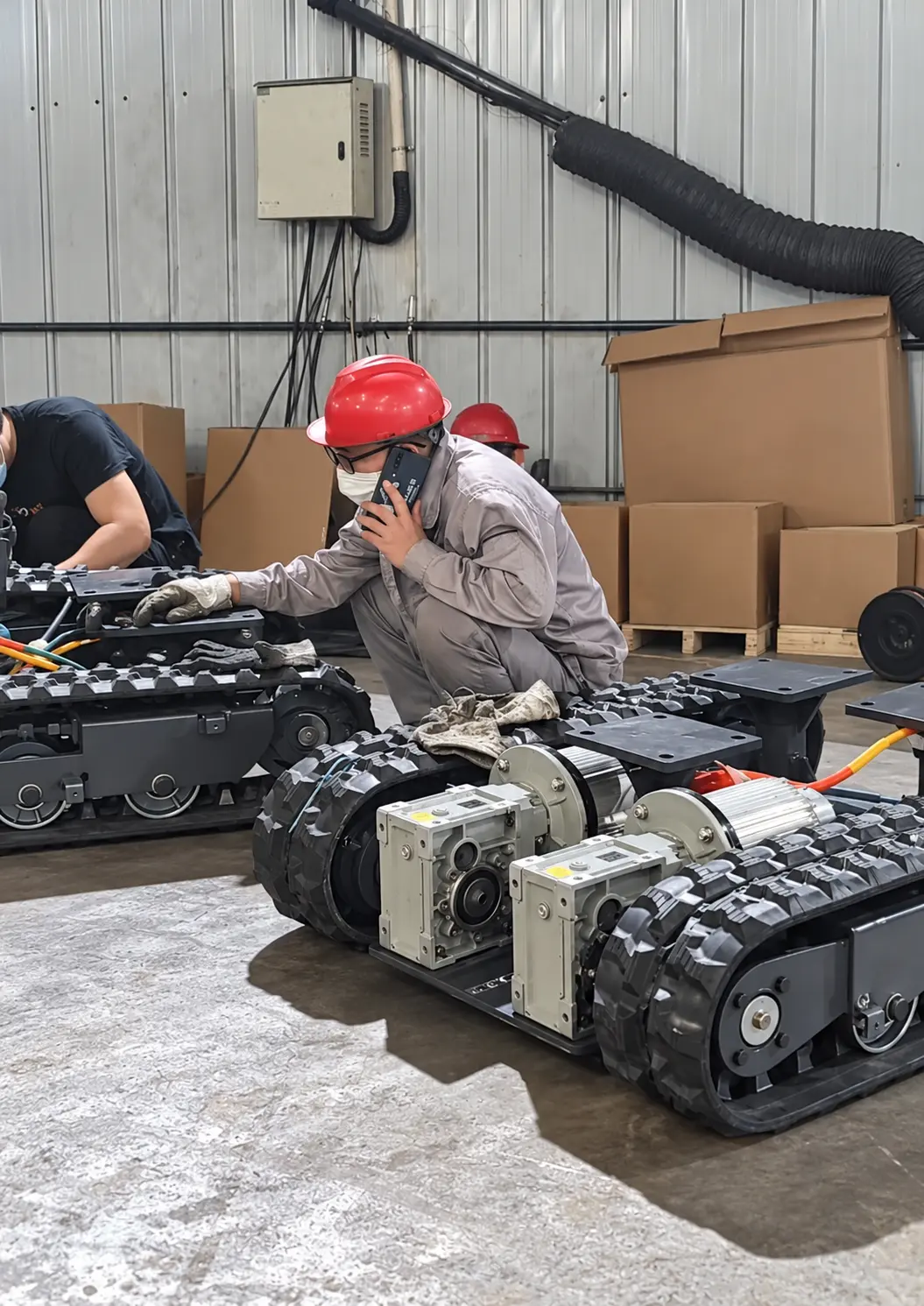
Read the tracked-chassis application
Illustrative range comparison
Suppose the same chassis, battery, motor and payload are used on the same route and at the same speed. In an illustrative scenario, the KRV drive travels 5 km on a charge while an NMRV drive travels 3 km. The NMRV example travels 2 km less, a reduction of 40%. For 15 km of daily travel, that would represent approximately three versus five full-battery range cycles under those assumptions.
The 5 km and 3 km figures are hypothetical, not measured results for the 600 kg project. Actual range depends on gearbox and motor efficiency, ratio, battery, load, terrain, speed and other operating conditions; compare both configurations under the same test conditions.
Why check holding torque on the same chassis?
A loaded chassis stopped on a slope applies torque through its tracks and drive wheels. Determine the required static torque, output shaft and bearing loads, the need for an independent holding brake, and the torque needed for restarting, climbing and turning. A worm gearbox must be assessed for its actual ratio and operating conditions; self-locking is not a substitute for a specified braking system.
Which gearbox should you choose?
Consider KRV
- Battery-powered equipment where range matters.
- Long daily operating hours and reduced transmission losses.
- Compact right-angle drives for servo or brushless DC motors.
Consider NMRV
- Large reduction ratios and low output speeds.
- Low-speed applications needing significant output torque.
- Machines requiring evaluation of static load and holding.
- Intermittent general-purpose drives with a tight purchase budget.
Check the individual NMRV unit's rated output torque, permissible static torque, bearing loads and temperature for the application.
Can KRV replace NMRV?
Replacement is possible only after the drawings and operating conditions have been checked. Compare motor shaft and pilot dimensions, mounting-hole pattern, output bore and keyway, housing dimensions, centre height, ratio, direction, permissible torque and bearing loads. A matching output bore alone does not guarantee interchangeability.
Information to provide for selection
- Machine and motion: travelling, conveying, tilting or lifting.
- Load, centre of gravity and output shaft forces.
- Required speed, ratio, operating hours and starts per hour.
- Motor model, power, speed and mounting drawing.
- Holding requirements, slopes and vertical loads.
- Available space, mounting orientation and output connection.
ANDANTEX can help compare drive options for your equipment and motor interface.
Explore KRV hypoid gearboxes | Explore NMRV / RV worm gearboxes | Contact ANDANTEX
Leave a Technical Question