 PRECISION DRIVE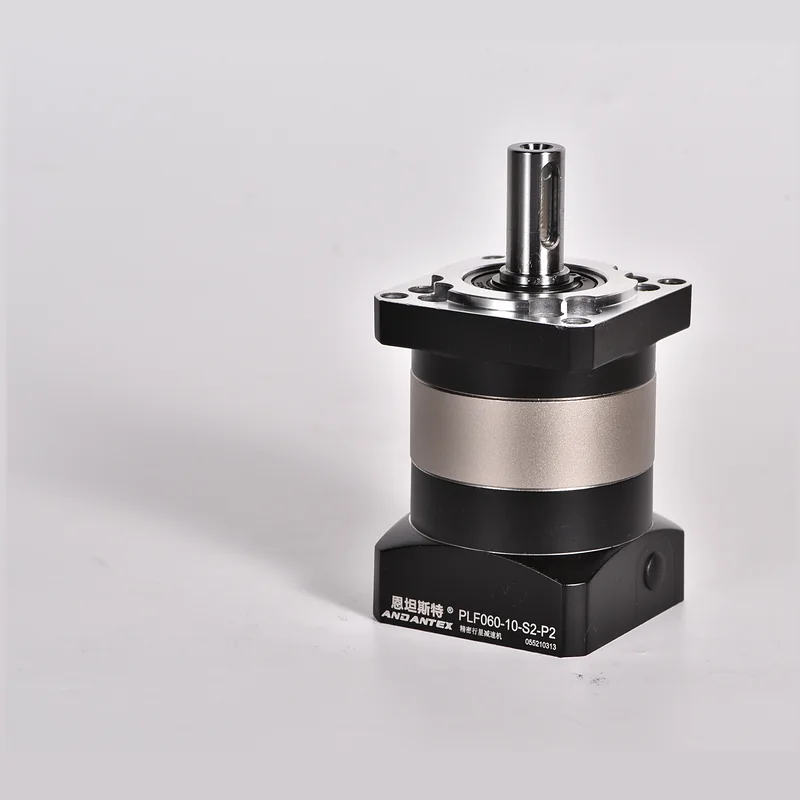
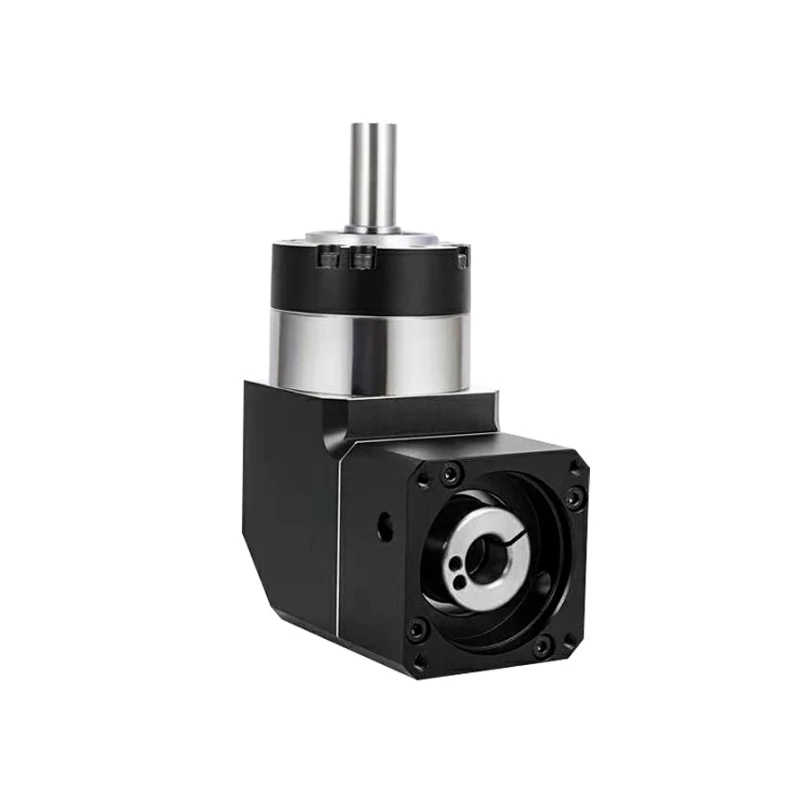
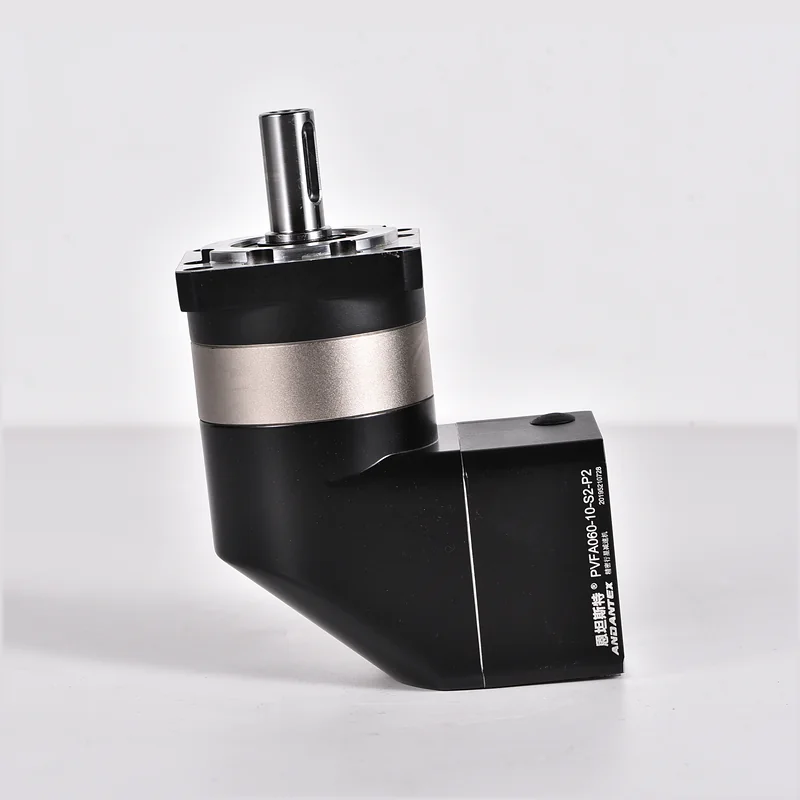
Key Takeaway:Increasing the gear ratio reduces output speed, Theoretical output torque increases, Reflected inertia also changes, Dynamic Response & Stage Selection.
Output Speed Differences
At the Same Motor Speed, 10:1 Theoretical Output Speed Is Approximately 5:1 Half of. Start with the output speed required by the equipment to determine the ratio.
Torque & Inertia
A larger ratio can increase available output torque, Load inertia reflected to the motor decreases with the square of the ratio, But dynamic response also changes.
Do Not Simply Choose the Highest Ratio
Too high a ratio may reduce output speed below the requirement, It may also require more stages, Size & Cost. Select around the equipment cycle instead of maximizing torque alone.
How to Apply This Information to Selection?
Do not make a final selection from a single parameter. Review the motor model, Load, Target Output Speed, Torque, Inertia, Check acceleration/deceleration time and mounting interfaces together, Then select the series and model.