 PRECISION DRIVE
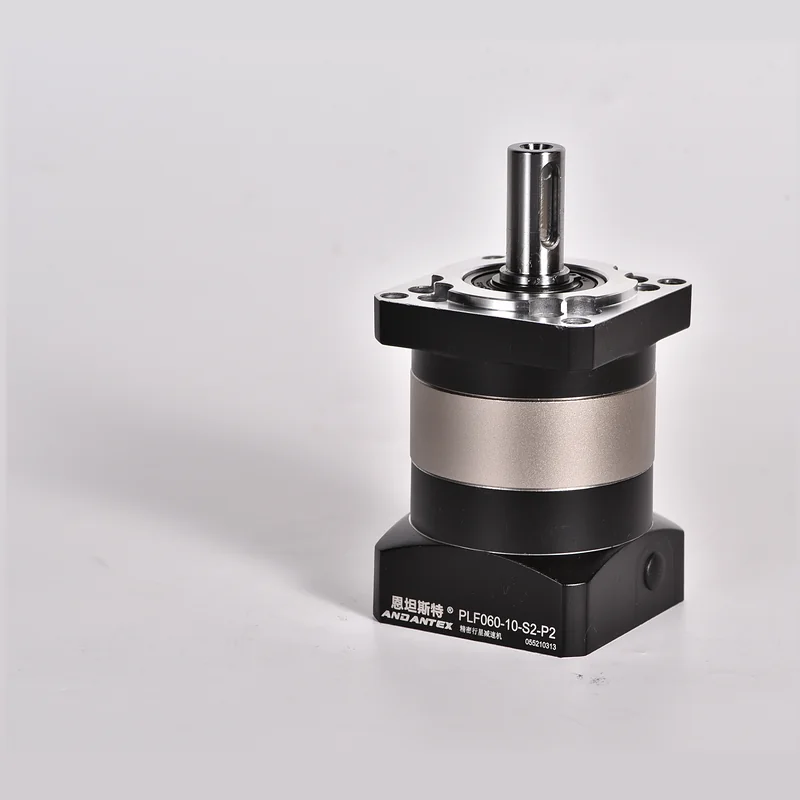
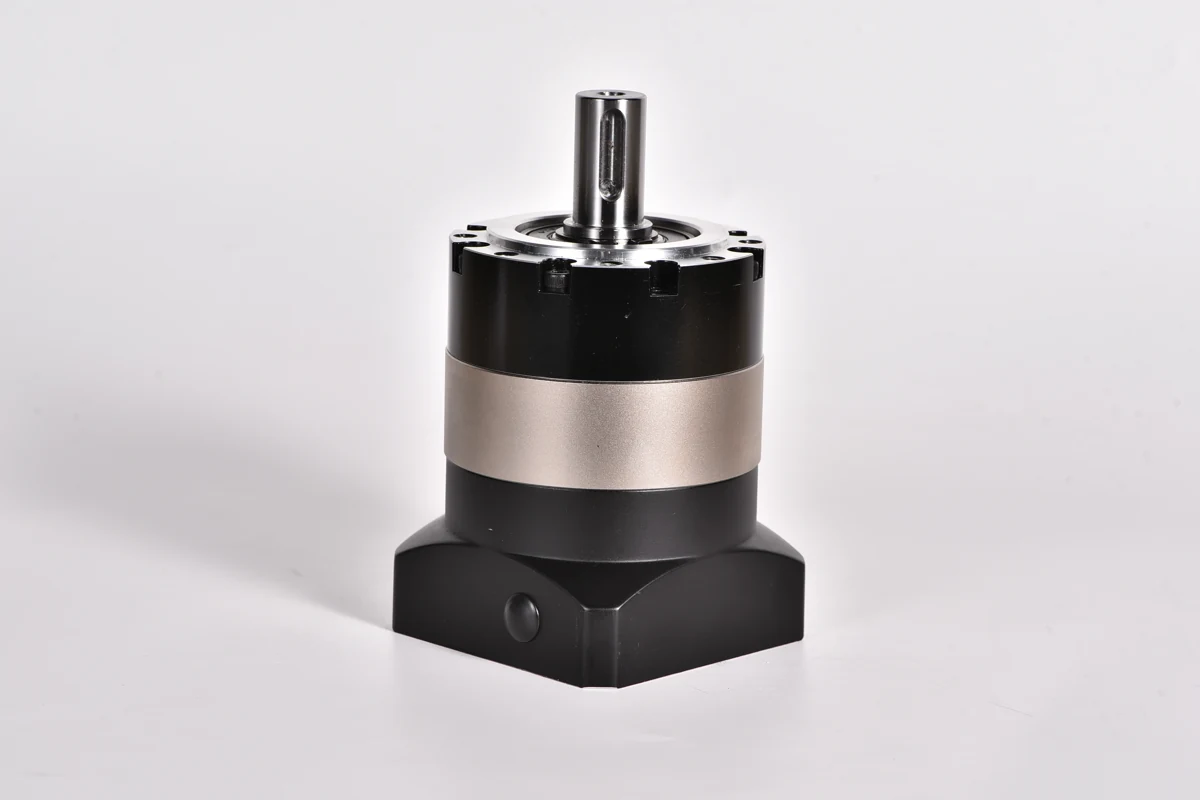
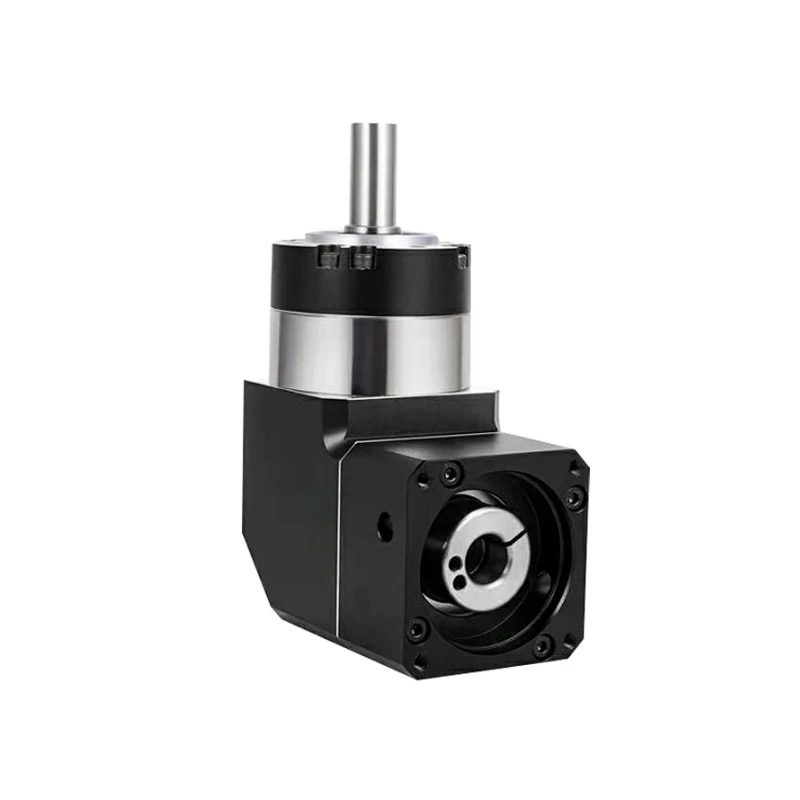
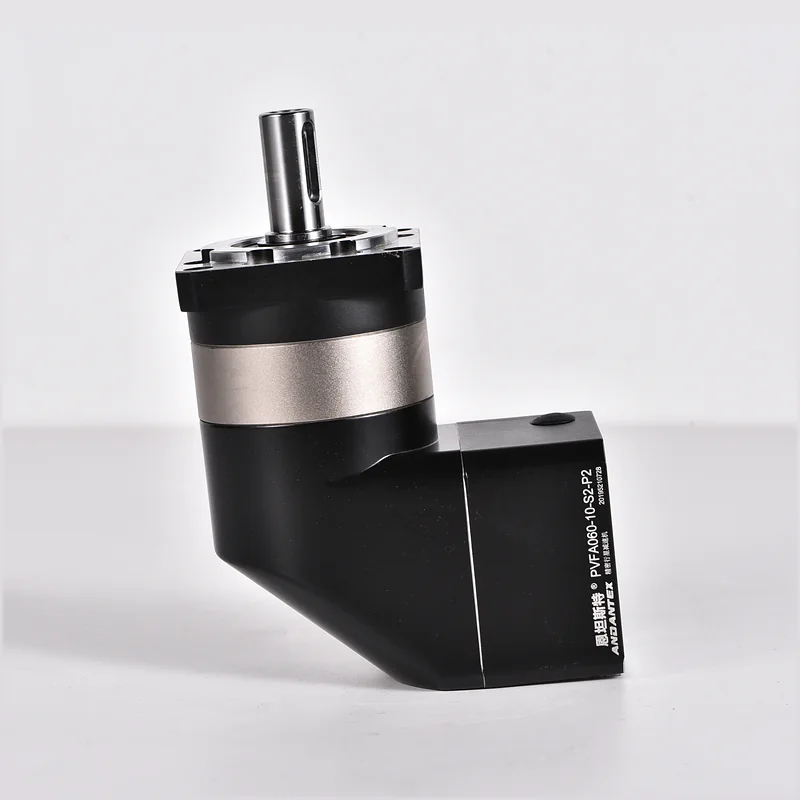
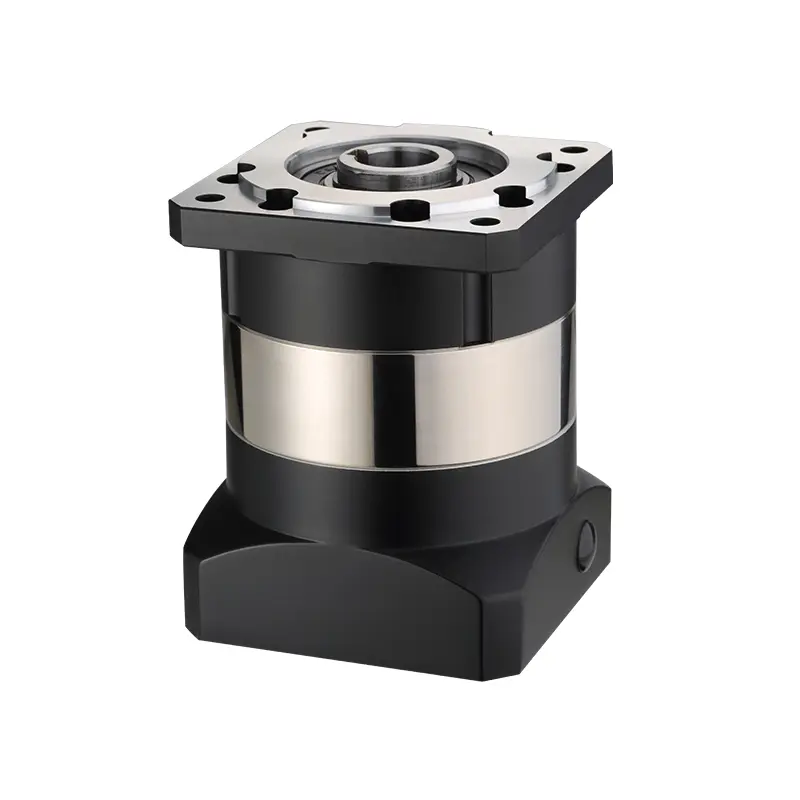
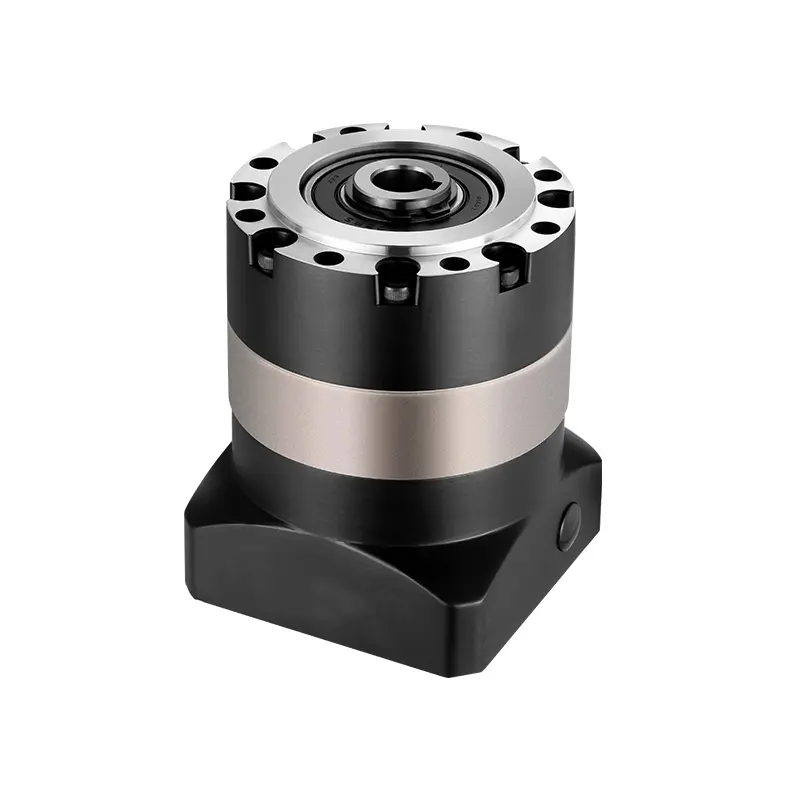
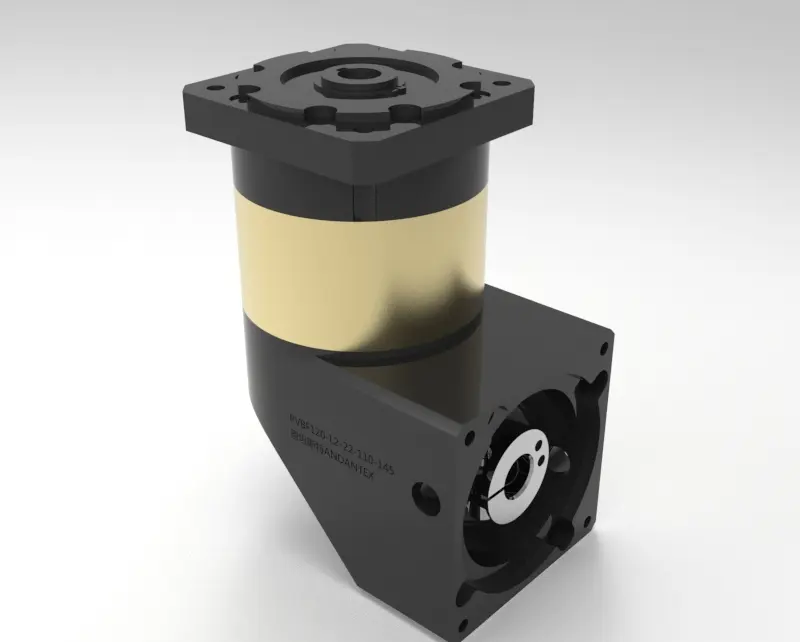
When a legacy purchase order or maintenance log lists only "RV90", buyers frequently wonder whether they need a low-cost worm gear speed reducer or a high-precision robotic joint actuator. In nearly every general-automation and conveyor BOM, an RV90 gearbox is an NMRV090 right-angle worm gearbox (90 mm center distance, die-cast aluminum housing, typically USD 120–350). You can confirm it in ten seconds: if the unit has a finned aluminum box housing with perpendicular 90° input and output shafts, it is a worm reducer; if it is a heavy machined-steel round disc with coaxial bolt circles costing well over USD 1,000, it is a cycloidal robot RV reducer.
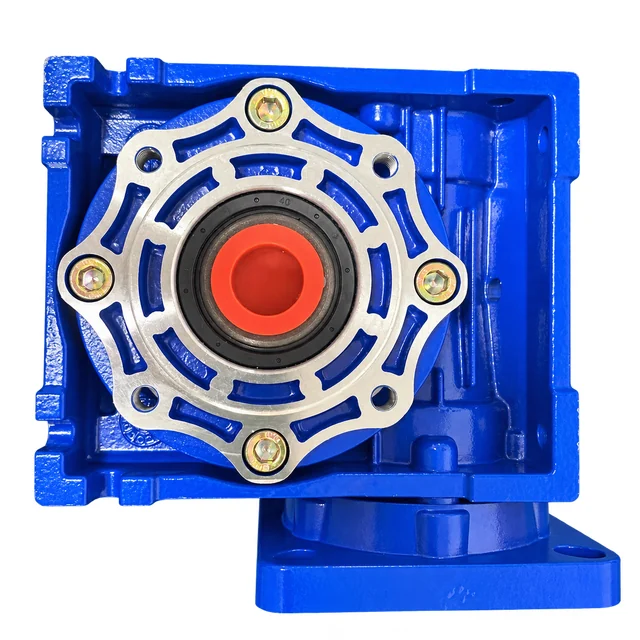
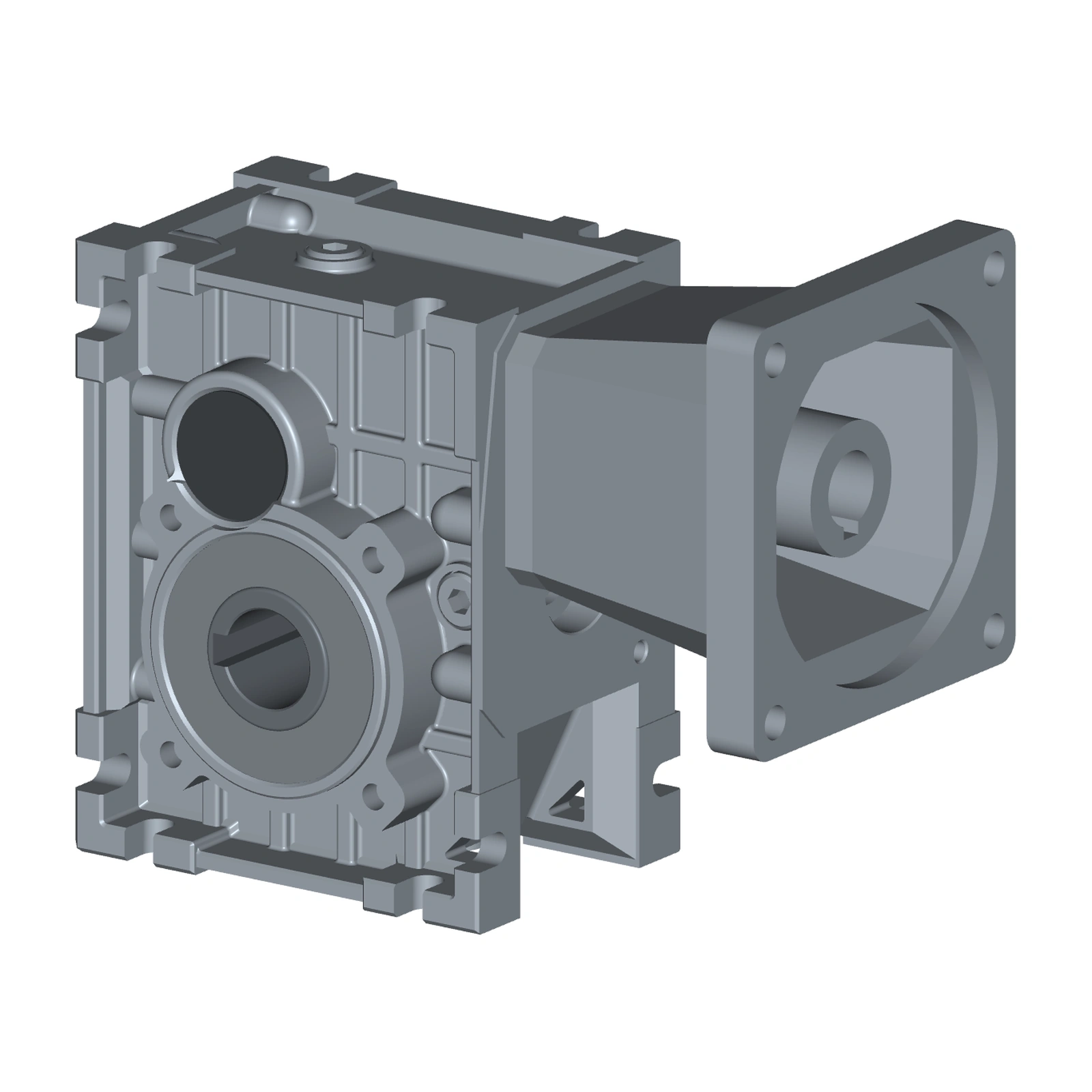
1. Side-by-Side Identification Table: NMRV090 Worm Gearbox vs. Cycloidal Robot RV Reducer
Although both products share the letters "RV" in industrial shorthand, their internal gear geometry, mounting interfaces, and cost structures belong to completely different machine classes. Use the table below to separate them immediately on the shop floor or during RFQ review.
| Identification Feature | NMRV090 Worm Reducer (Often Written "RV90") | Cycloidal Robot RV Reducer (e.g., RV-40E / RV-80E) |
|---|---|---|
| Standard Model Naming | NMRV090, RV090, NMRV90 (090 = 90 mm shaft center distance) | RV-20E, RV-40E, RV-80E, RV-110E (no standard "RV90" frame) |
| Housing Material & Shape | Finned die-cast aluminum alloy square/cube housing | Precision-machined alloy steel circular cartridge/disc |
| Shaft Orientation | 90° right-angle input to hollow-bore or plug-in solid output | Inline coaxial disc flange with precision bolt circles |
| Internal Mechanism | Hardened steel worm shaft driving a bronze worm wheel | Two-stage planetary gear + cycloidal pin-wheel reduction |
| Backlash Tier | Standard industrial backlash (~20–40 arcmin) | Ultra-low precision backlash (typically ≤ 1 arcmin) |
| Backdrivability / Self-Lock | High ratios (≥ 30:1) resist backdriving (static self-locking tendency) | Backdrivable under external torque; requires motor brake to hold |
| Typical Unit Price Tier | Economy general-purpose drive (hundreds of USD) | Heavy precision robotics joint drive (thousands of USD) |
| Common Applications | Packaging conveyors, mixers, roller tables, feed drives | 6-axis robot bases/arms, heavy welding positioners |
2. Why Purchase Orders List an "RV90 Gearbox" (And How to Read Missing Specs)
In Asian and European procurement sheets, buyers and ERP systems routinely shorten NMRV090 to RV090 or simply RV90. Meanwhile, cycloidal robot RV reducers follow torque-class naming conventions (such as RV-40E, RV-80E, or RV-110E) rather than RV90. That naming split alone tells you why 99% of "RV90" purchase order lines refer to the NMRV worm gearbox series.
Even once you confirm it is an NMRV090 unit, the shorthand "RV90" still leaves out four mechanical dimensions required to deliver a drop-in replacement:
- Reduction ratio: Standard single-stage NMRV090 ratios span
7.5:1to100:1(7.5, 10, 15, 20, 25, 30, 40, 50, 60, 80, 100). - Motor input flange code: IEC B5 or B14 flange sizes (such as 80B5, 90B5, 100B5, or 112B5) or custom servo adapter plates.
- Output bore or plug-in shaft: A standard NMRV090 uses a 35 mm keyed hollow bore (
H7), though older machines may carry an optional single or double plug-in solid output shaft (35 mmOD). - Mounting accessories: Whether the unit bolts down via a foot base, output flange (
FA/FB), or a side-mounted torque arm.
3. Upgrading an Aging RV90 Drive or Sourcing High-Rigidity Rotary Alternatives
Sometimes a maintenance team discovers "RV90" on an older machine that has been retrofitted with an AC servo motor and now suffers from overheating, lost positioning accuracy, or premature bronze-gear wear. Worm gears rely on sliding tooth contact, which limits continuous efficiency (often 50%–85% depending on ratio and speed) and introduces 20+ arcminutes of backlash.
Depending on what your axis actually needs, you have three clean paths forward:
- Direct like-for-like replacement: Keep an NMRV090 worm reducer when cost, quiet running, and 90° compact mounting matter most and high servo stiffness is not required.
- Upgrade to a servo hypoid right-angle reducer: For servo-driven axes that need 90° mounting with higher efficiency, lower heat rise, and low backlash without redesigning the frame layout, review our KRV hypoid vs. NMRV worm gearbox efficiency comparison and inspect the KRV servo hypoid gearbox series.
- Heavy rotary indexing or robot-grade disc loads: If the application actually uses a heavy steel circular table with high tilting moment capacity, step up to an HTM heavy-duty hollow-flange rotary actuator—or compare harmonic drive vs. precision planetary gearboxes for robotics if it is a lightweight cobot wrist.
- Ultra-high-ratio heavy slow rotation: Some industrial turntables actually combine an RV90 worm stage with helical planetary stages to reach ratios up to
1,440:1; see our 100:1 to 1,440:1 multi-stage RV90 combination gearbox guide for layout examples.
4. Ordering Checklist So Purchasing Never Buys the Wrong "RV" Unit
Before issuing a new RFQ or PO for a legacy "RV90" line item, attach these five confirmed details so your supplier quotes the exact drop-in assembly on the first pass:
- Full product description: Specify NMRV090 Worm Gearbox (or Cycloidal RV Reducer if steel cartridge).
- Exact ratio: Confirm from the old tag or a bench hand-turn ratio test (e.g.,
i = 30:1). - Motor model or IEC flange frame: Provide the motor nameplate (e.g.,
1.5 kW 90B5or servo shaft/PCD dimensions). - Output configuration: Specify hollow bore (
35 mmstandard on NMRV090) vs. single/double solid output shaft, plus left/right assembly orientation. - Accessories & mounting: Note whether a torque arm, output flange, or foot bracket is reused or needs replacement.
Frequently Asked Questions (FAQ)
Q1: Is there a real cycloidal robot reducer named "RV90"?
Major cycloidal robot reducer lines typically jump across frame ratings such as RV-40E, RV-80E, RV-110E, or RV-160E (and C-series hollow equivalents). While custom OEM tags occasionally stamp internal codes starting with RV90, virtually all off-the-shelf industrial orders labeled RV90 refer to an NMRV090 worm gearbox with a 90 mm center distance.
Q2: Does an RV90 worm gearbox guarantee safe load-holding through self-locking?
No. Although high-ratio worm gears (30:1 and above) exhibit static self-locking friction at rest, vibration, shock loads, or synthetic lubrication can allow an NMRV090 worm reducer to creep backward. Always use an electromagnetic motor brake on vertical lifting or inclined holding axes.
Q3: Can I bolt a servo motor directly onto an NMRV090 gearbox?
Yes, with a matched servo input adapter flange and shaft bushing, though worm gearing is not ideal for high-frequency start-stop servo positioning. If you need low backlash and high efficiency at 90°, compare the KRV servo hypoid series or download CAD envelopes from our 2D/3D Download Center.